🌿 7 Raised Bed Gardening Mistakes to Avoid (and How to Fix Them)
🌿 7 Raised Bed Gardening Mistakes to Avoid (and How to Fix Them)
Oct 29, 2025
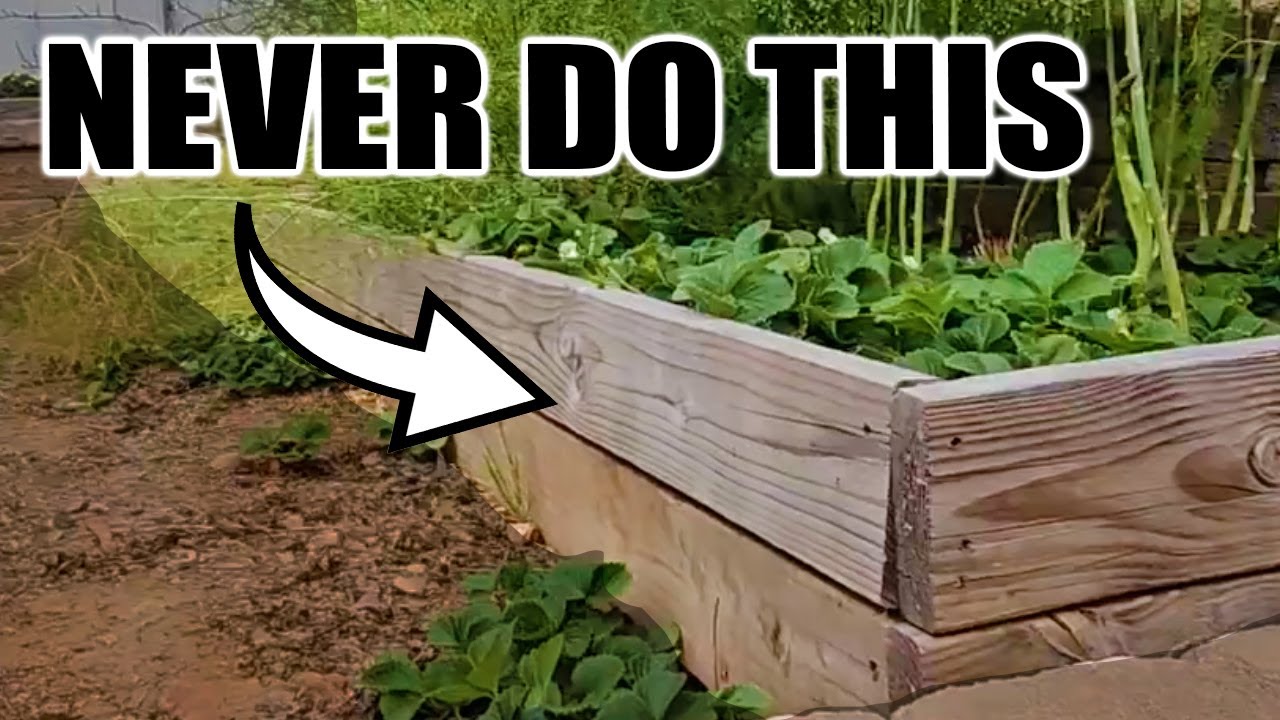
7 Beginner Raised Bed Garden Mistakes to Avoid
Raised bed gardening is an incredibly popular and effective way to grow a wide variety of vegetables, herbs, and other plants. By creating a contained, nutrient-rich growing environment, raised beds allow gardeners to maximize their available space and enjoy bountiful harvests, even in small yards or urban settings.
However, as with any gardening method, there are some common pitfalls that beginner raised bed gardeners should be aware of. In this comprehensive guide, we'll explore the 7 most critical raised bed mistakes to avoid, so you can set up your garden for success from the very start.
1. Making Your Beds Too Long or Too Wide
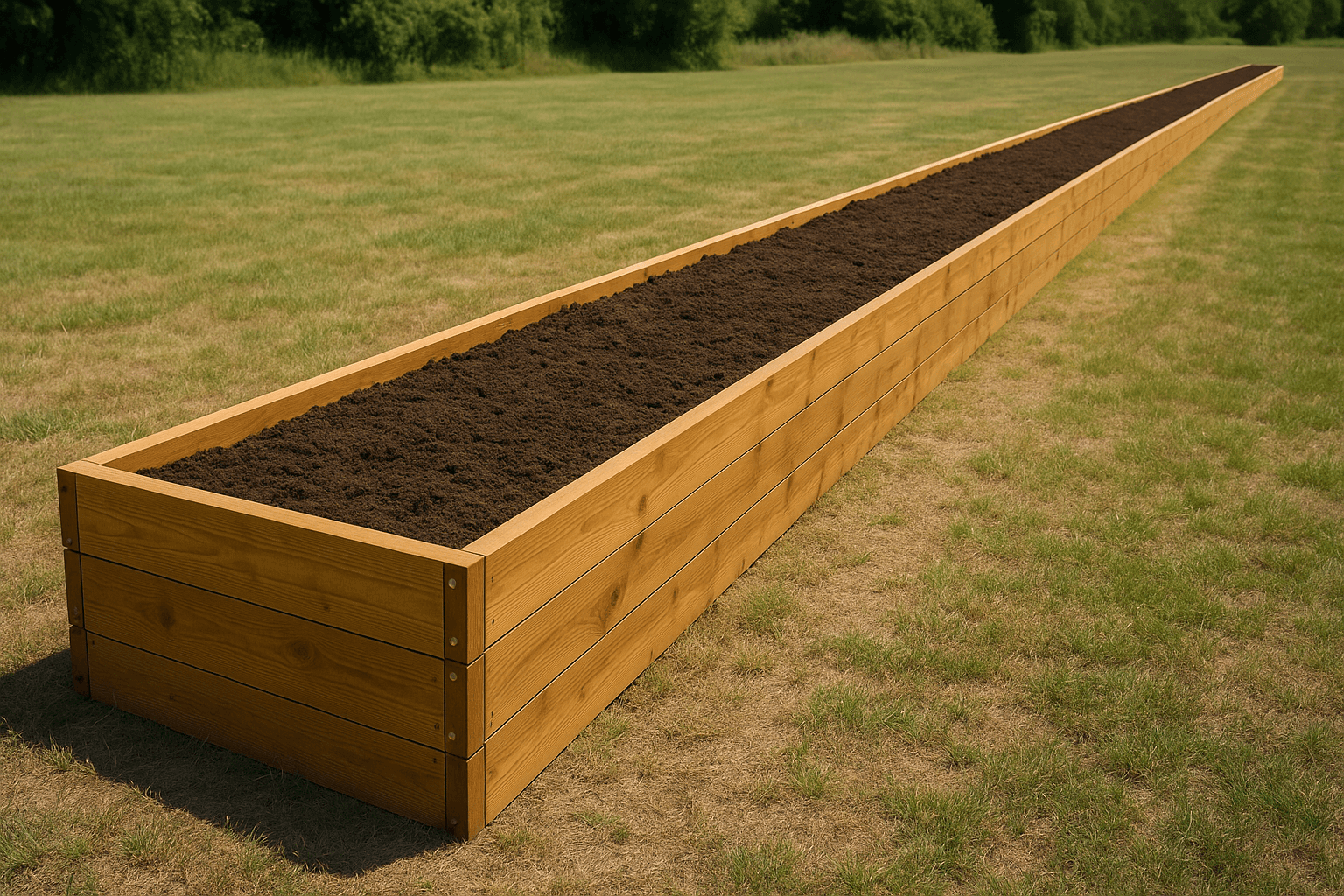
One of the most important considerations when planning a raised bed garden is the size and dimensions of your beds. Many novice gardeners make the mistake of creating beds that are simply too large to manage effectively.
My personal recommendation is to stick to a 4 x 8 foot bed size. This width allows you to easily reach the center of the bed from either side, without having to awkwardly lean or strain. And the 8 foot length is long enough to provide ample growing space, without being so expansive that it becomes unwieldy.
f you’re planning out crops for a new bed, here are the 15 best vegetables to grow in raised beds.
There are a few key benefits to this 4 x 8 foot raised bed size:
Efficient Use of Materials: Standard 8-foot lumber pieces can be used to construct the sides of the bed, minimizing waste and keeping costs down.
Ergonomic Design: The width allows for comfortable access from either side, without having to walk all the way around a longer bed.
Scalable Expansion: If you need more growing space, you can simply add additional 4 x 8 foot beds, rather than trying to manage an unwieldy single large bed.
Of course, the ideal bed size may vary depending on your available space, physical abilities, and gardening goals. But in general, I recommend sticking to manageable dimensions in the 4 x 6 to 4 x 8 foot range for the best results.
2. Building Beds That Are Too Shallow
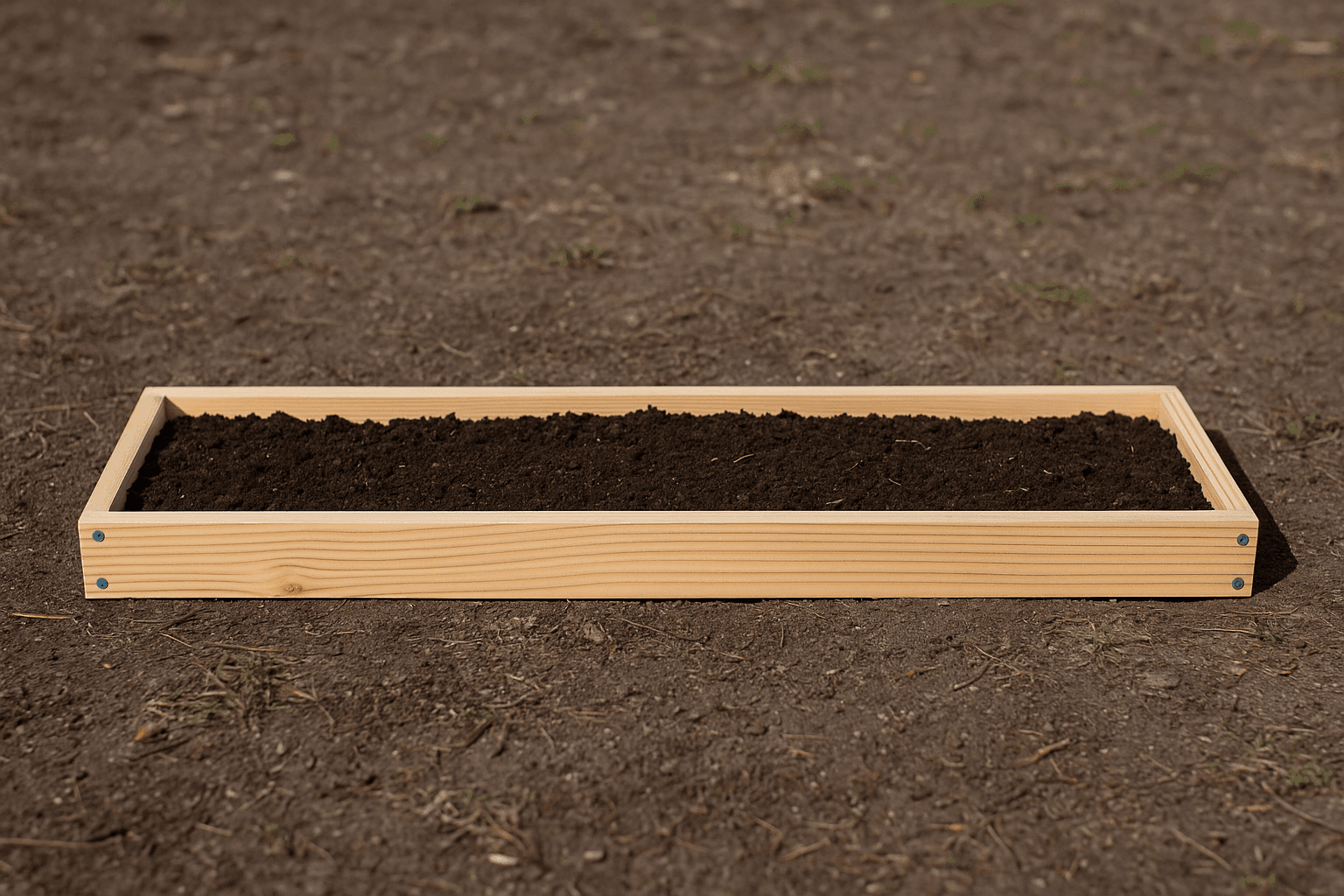
Another common mistake made by new raised bed gardeners is constructing beds that are simply too shallow to accommodate the needs of many vegetable crops. While a 6-inch deep bed may be sufficient for some shallow-rooted plants, most vegetables require at least 12 inches of soil depth to thrive.
There are a few key reasons why bed depth is so important:
Root Growth: Many vegetables, such as carrots, parsnips, and potatoes, require a foot or more of soil depth to allow their roots to fully develop.
Nutrient Access: A deeper soil profile provides plants with access to a greater volume of nutrients and organic matter to support healthy growth.
Stability: Taller plants like tomatoes, beans, and cucumbers need a deeper bed to provide the structural support they require, especially when trellised.
If you have challenging soil conditions underneath your raised beds, such as heavy clay or compacted earth, it's even more important to build your beds at least 12 inches deep. This allows you to fill the beds with a high-quality potting mix or custom soil blend, while still providing ample room for root development.
And the great thing about raised beds is that you can easily expand their depth over time. As I mentioned in my video, I've been gradually increasing the height of my beds by simply stacking additional 2x6 boards on top of the original frames. This allows me to continually improve the soil quality and rooting depth for my plants. For more soil-building ideas, here’s my guide to organic fertilizers and how to use them.
3. Using the Wrong Building Materials
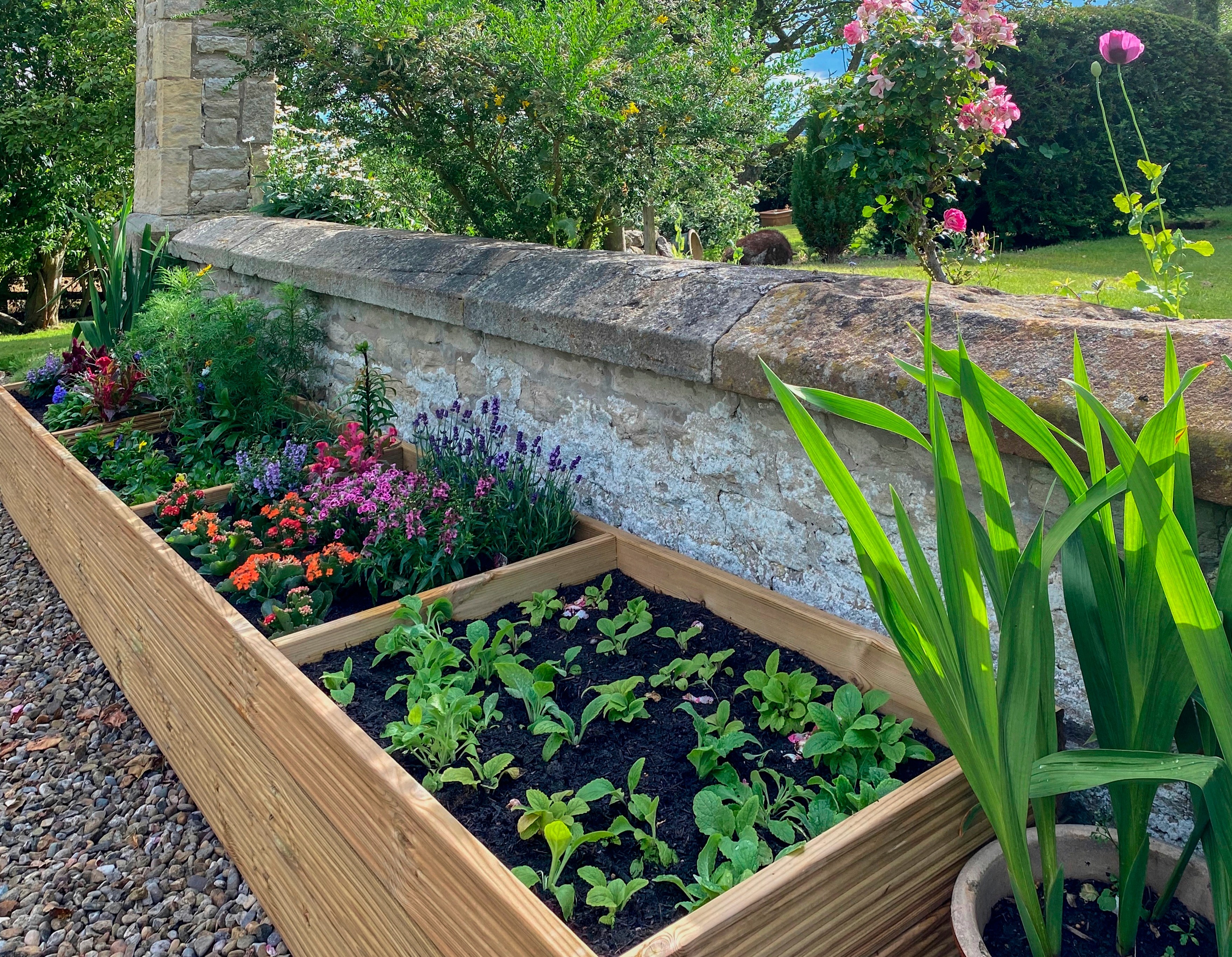
When it comes to the physical structure of your raised beds, the material you choose can have a big impact on the longevity and safety of your garden. While there's no single "right" material, there are some options that are generally preferable to others.
If you’re considering alternatives, my full container gardening guide compares soil depth, materials, watering needs, and more.
Here's a quick rundown of the most common raised bed materials and their pros and cons:
Untreated Wood: Affordable and easy to work with. Untreated lumber like cedar or redwood will last for several years before needing replacement.
Treated Wood: Treated lumber is less expensive upfront, but the chemical treatments can potentially leach into the soil, posing health risks. I generally recommend avoiding treated wood for raised beds.
Fabric Beds: Fabric raised beds, like those from Grassroots, offer the benefits of air pruning for healthier root systems. They're also very durable and easy to move or expand.
Metal Beds: Metal raised beds are extremely long-lasting, but they tend to be the most expensive option. They also absorb and retain more heat, which can be an issue in hot climates.
Concrete Blocks: Concrete blocks are a budget-friendly DIY option, but they can be more difficult to work with and may not have the same aesthetic appeal as wood or metal.
Ultimately, the best material for your raised beds will depend on your budget, personal preferences, and local climate conditions. But in general, I recommend sticking with untreated wood or fabric beds for the best combination of affordability, durability, and safety.
4. Filling Beds with the Wrong Soil Mix
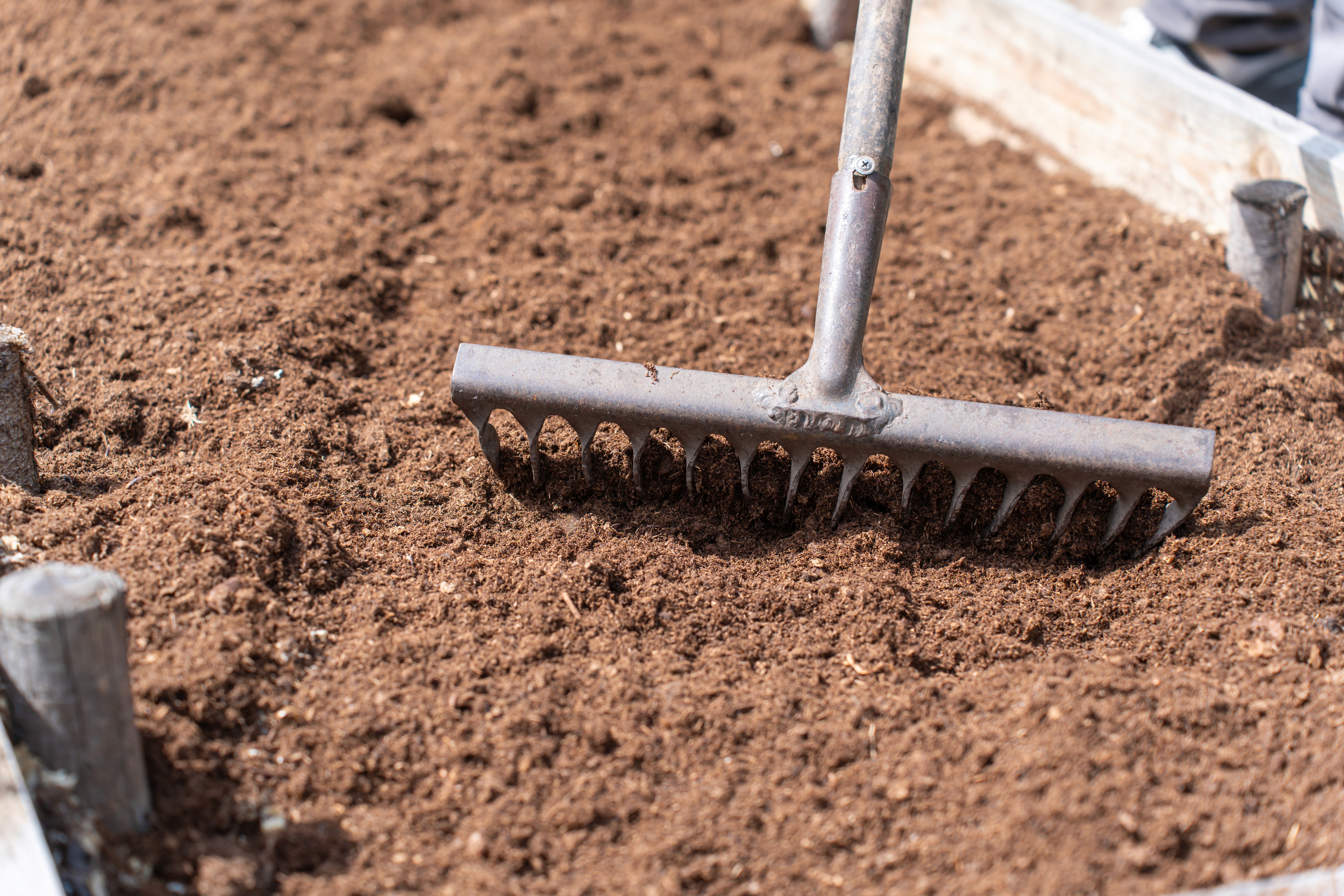
One of the most critical - and often overlooked - aspects of raised bed gardening is the soil mix you use to fill your beds. Many beginner gardeners make the mistake of simply using whatever soil they have on hand, whether it's heavy clay, sandy topsoil, or even straight-up compost.
However, for optimal plant growth and yields, you'll want to fill your raised beds with a high-quality, well-draining potting mix or custom soil blend. Look for a mix that contains a combination of the following ingredients:
Compost: Provides essential nutrients and organic matter to nourish your plants.
Peat Moss or Coir: Helps retain moisture and improve soil structure.
Perlite or Vermiculite: Enhances drainage and aeration.
Topsoil or Loam: Adds body and substance to the soil mix.
If you have access to a local source of high-quality compost, such as a mushroom farm or municipal composting facility, that can be a great way to save money on your soil mix. Just be sure to blend it with the other necessary amendments to create a nutrient-rich, well-draining growing medium.
And remember, the depth of your raised beds will also impact how much soil you'll need to fill them. Taller beds require more volume, so be sure to factor that in when budgeting for your soil mix.
And if you’re wondering what homemade amendments actually work, here’s my breakdown of homemade organic fertilizers.
5. Neglecting to Refresh the Soil
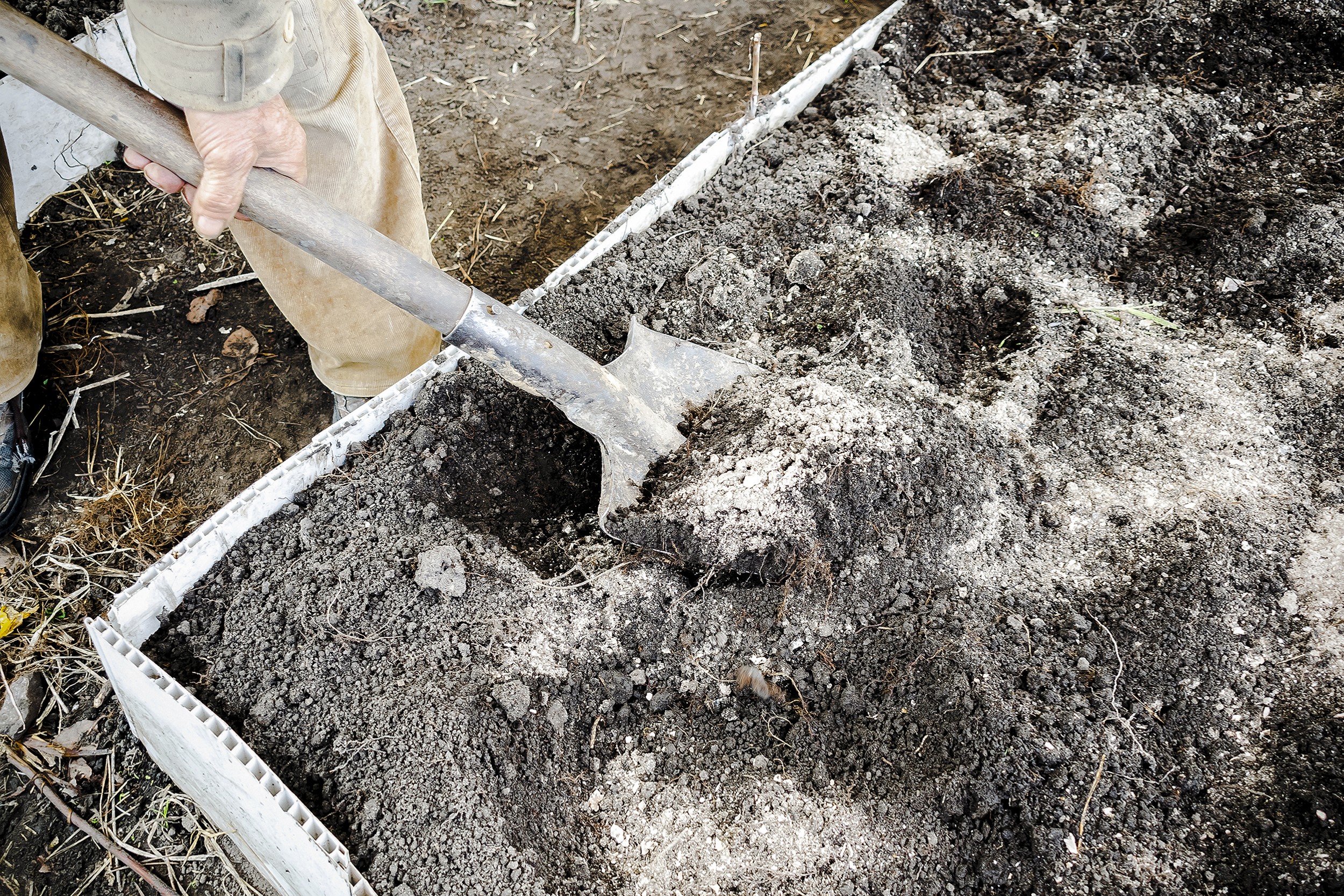
Even with the best soil mix, the growing medium in your raised beds will gradually become depleted over time. This is due to a combination of factors, including:
Nutrient Uptake: As plants grow and produce, they draw essential nutrients from the soil.
Decomposition: Organic matter in the soil will break down and be incorporated into the plants.
Erosion: Wind, water, and other environmental factors can cause soil to gradually wash or blow away.
To combat this natural depletion, it's important to regularly refresh and replenish the soil in your raised beds. I recommend adding a 1-2 inch layer of fresh compost or potting mix to the top of your beds each spring and fall.
This accomplishes a few key things:
Maintains Soil Depth: Replacing the soil that's been lost keeps your beds at the optimal depth for plant growth.
Adds Nutrients: The fresh compost or potting mix infuses the soil with a new supply of essential nutrients.
Improves Soil Structure: Incorporating organic matter helps to maintain ideal drainage, aeration, and moisture-holding capacity.
You don't need to mix this top-dressing into the existing soil - simply spread it evenly over the surface and let the natural processes work it down over time. This easy maintenance will go a long way in keeping your raised beds productive year after year. Here’s my guide on refreshing old potting soil for your containers and raised beds.
If you’re growing heavy-feeders like tomatoes, peppers, or strawberries, here are the top pepper growing mistakes to avoid.
6. Failing to Mulch
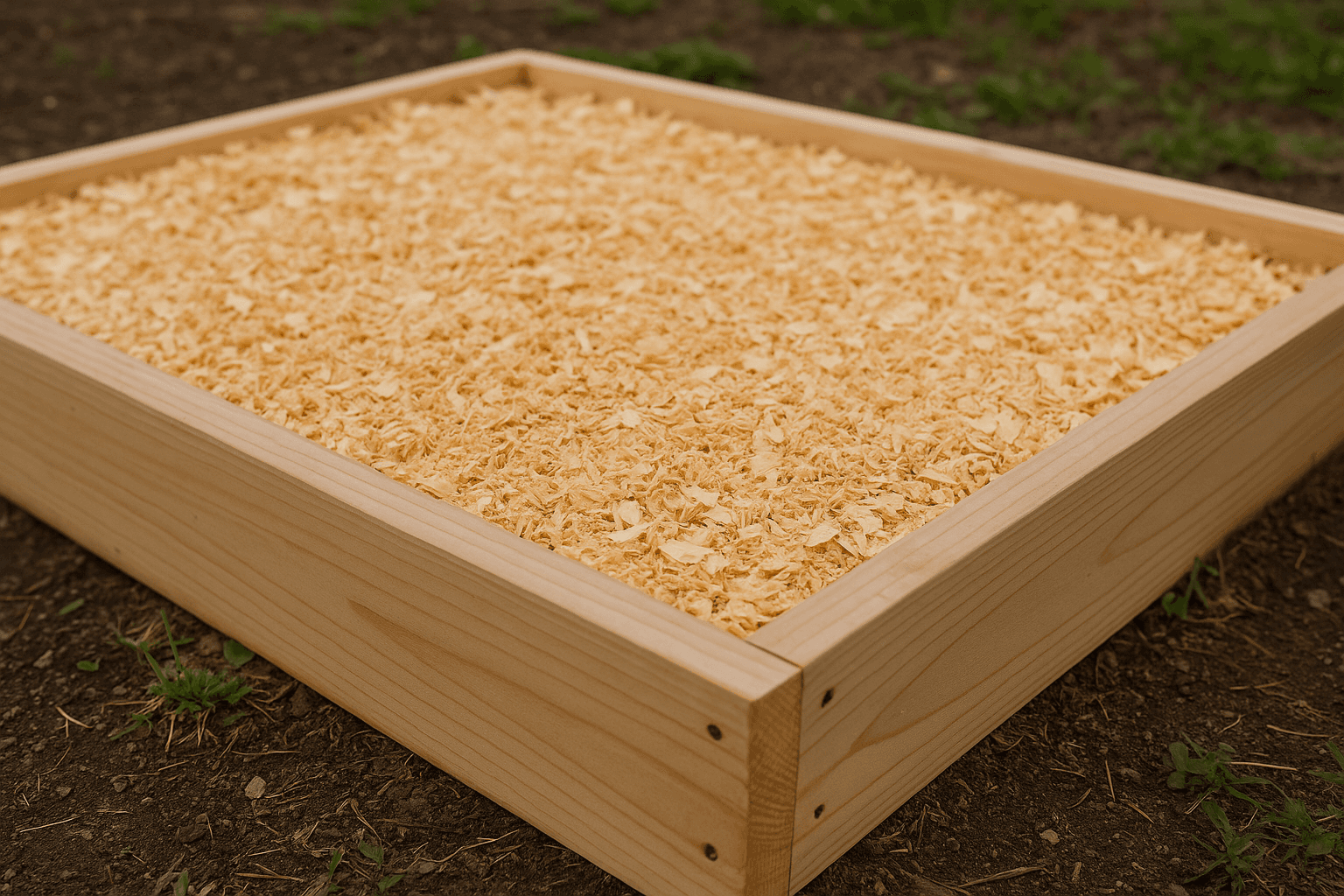
Mulching is an absolutely essential practice for any raised bed garden, yet it's one that's often overlooked by beginner gardeners. Applying a 2-4 inch layer of organic mulch over the soil surface provides a host of benefits:
Weed Suppression: Mulch creates a physical barrier that blocks light and prevents weed seeds from germinating.
Moisture Retention: By shielding the soil from direct sun and wind, mulch helps to retain precious moisture and reduce watering needs.
Soil Protection: Mulch prevents soil compaction and erosion, while also insulating the roots from temperature extremes.
Nutrient Addition: As organic mulches like wood chips or leaves break down, they add valuable nutrients to the soil.
When applying mulch, be sure to keep it a few inches away from the stems of your plants, to avoid potential issues with disease or pest infestations. And avoid using materials like straw or pine needles if you have problems with slugs or snails, as they can provide ideal hiding places for these pests. Mulch also helps prevent the stress-related issues I talk about in boost your tomato plants with aspirin.
7. Neglecting Winter Prep
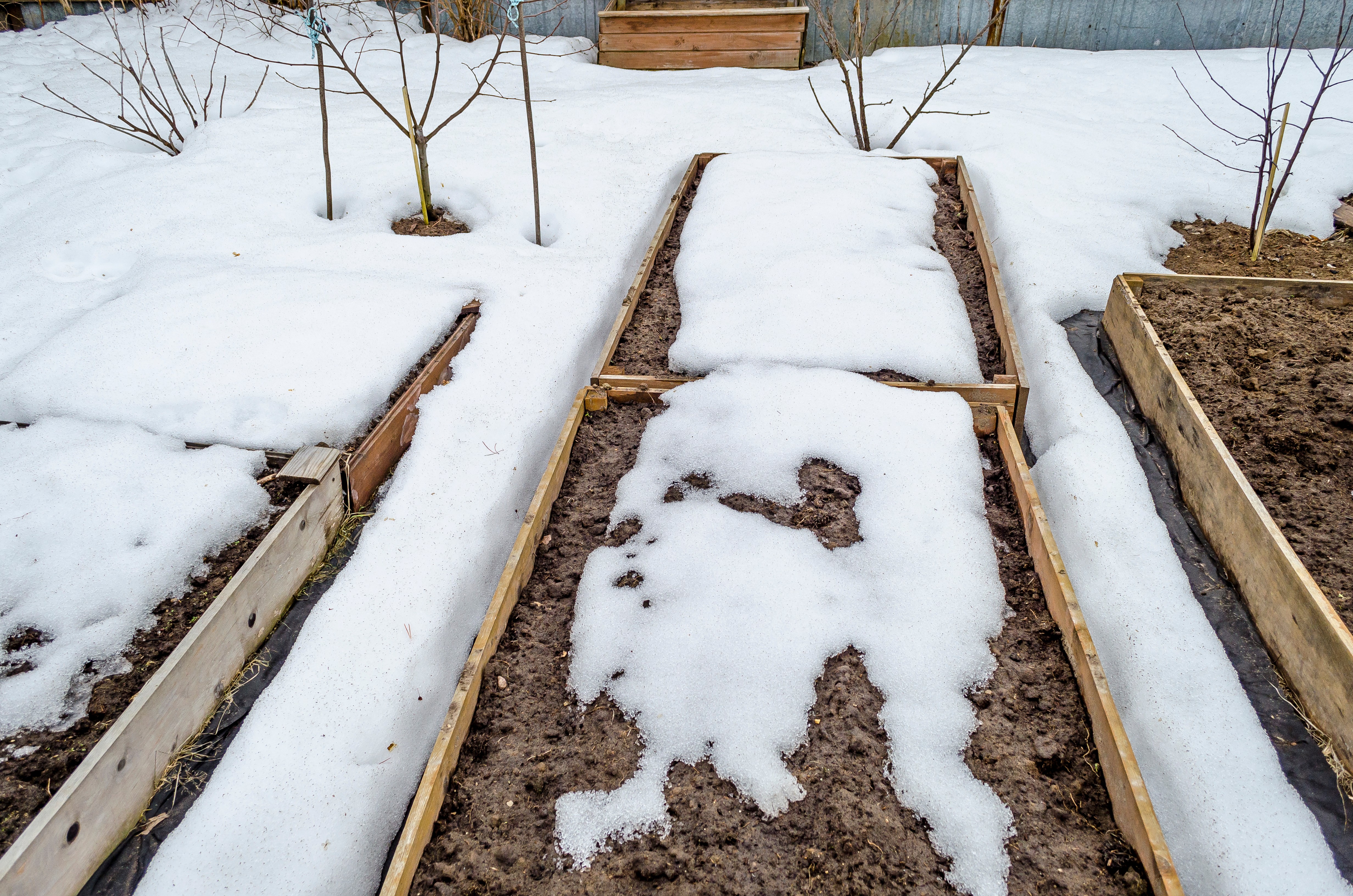
The final - and perhaps most overlooked - raised bed mistake is failing to properly prepare your beds for the winter months. Depending on your climate, winter can pose a number of threats to the health and productivity of your garden:
Soil Erosion: Heavy rains, snow, and wind can wash away valuable topsoil if your beds are left exposed.
Nutrient Depletion: The freeze-thaw cycle can cause nutrients to leach out of the soil over winter.
Pest Overwintering: Many garden pests and diseases can survive the winter in unprotected soil or plant debris.
To combat these winter woes, it's important to take steps to insulate and protect your raised beds. This can involve applying a thick layer of organic mulch, planting a cover crop, or even constructing simple hoop houses or cold frames over the beds.
In my video on winterizing raised beds, I go into more detail on the specific techniques and materials you can use to prepare your garden for the off-season. By taking the time to properly winterize your raised beds, you'll ensure that your soil and plants are primed and ready for a productive growing season next year.
If you garden in a mild winter climate, here’s what to plant in November to keep beds productive even through the cool season. And here are the best tasks for winter work in the vegetable garden.
By avoiding these 7 common mistakes, you'll be well on your way to establishing a thriving, productive raised bed garden. And if you're just getting started, be sure to check out my other videos on building simple raised beds and constructing more advanced raised bed systems. Happy gardening!
Video Guide
7 Beginner Raised Bed Garden Mistakes to Avoid
Raised bed gardening is an incredibly popular and effective way to grow a wide variety of vegetables, herbs, and other plants. By creating a contained, nutrient-rich growing environment, raised beds allow gardeners to maximize their available space and enjoy bountiful harvests, even in small yards or urban settings.
However, as with any gardening method, there are some common pitfalls that beginner raised bed gardeners should be aware of. In this comprehensive guide, we'll explore the 7 most critical raised bed mistakes to avoid, so you can set up your garden for success from the very start.
1. Making Your Beds Too Long or Too Wide
One of the most important considerations when planning a raised bed garden is the size and dimensions of your beds. Many novice gardeners make the mistake of creating beds that are simply too large to manage effectively.
My personal recommendation is to stick to a 4 x 8 foot bed size. This width allows you to easily reach the center of the bed from either side, without having to awkwardly lean or strain. And the 8 foot length is long enough to provide ample growing space, without being so expansive that it becomes unwieldy.
f you’re planning out crops for a new bed, here are the 15 best vegetables to grow in raised beds.
There are a few key benefits to this 4 x 8 foot raised bed size:
Efficient Use of Materials: Standard 8-foot lumber pieces can be used to construct the sides of the bed, minimizing waste and keeping costs down.
Ergonomic Design: The width allows for comfortable access from either side, without having to walk all the way around a longer bed.
Scalable Expansion: If you need more growing space, you can simply add additional 4 x 8 foot beds, rather than trying to manage an unwieldy single large bed.
Of course, the ideal bed size may vary depending on your available space, physical abilities, and gardening goals. But in general, I recommend sticking to manageable dimensions in the 4 x 6 to 4 x 8 foot range for the best results.
2. Building Beds That Are Too Shallow
Another common mistake made by new raised bed gardeners is constructing beds that are simply too shallow to accommodate the needs of many vegetable crops. While a 6-inch deep bed may be sufficient for some shallow-rooted plants, most vegetables require at least 12 inches of soil depth to thrive.
There are a few key reasons why bed depth is so important:
Root Growth: Many vegetables, such as carrots, parsnips, and potatoes, require a foot or more of soil depth to allow their roots to fully develop.
Nutrient Access: A deeper soil profile provides plants with access to a greater volume of nutrients and organic matter to support healthy growth.
Stability: Taller plants like tomatoes, beans, and cucumbers need a deeper bed to provide the structural support they require, especially when trellised.
If you have challenging soil conditions underneath your raised beds, such as heavy clay or compacted earth, it's even more important to build your beds at least 12 inches deep. This allows you to fill the beds with a high-quality potting mix or custom soil blend, while still providing ample room for root development.
And the great thing about raised beds is that you can easily expand their depth over time. As I mentioned in my video, I've been gradually increasing the height of my beds by simply stacking additional 2x6 boards on top of the original frames. This allows me to continually improve the soil quality and rooting depth for my plants. For more soil-building ideas, here’s my guide to organic fertilizers and how to use them.
3. Using the Wrong Building Materials
When it comes to the physical structure of your raised beds, the material you choose can have a big impact on the longevity and safety of your garden. While there's no single "right" material, there are some options that are generally preferable to others.
If you’re considering alternatives, my full container gardening guide compares soil depth, materials, watering needs, and more.
Here's a quick rundown of the most common raised bed materials and their pros and cons:
Untreated Wood: Affordable and easy to work with. Untreated lumber like cedar or redwood will last for several years before needing replacement.
Treated Wood: Treated lumber is less expensive upfront, but the chemical treatments can potentially leach into the soil, posing health risks. I generally recommend avoiding treated wood for raised beds.
Fabric Beds: Fabric raised beds, like those from Grassroots, offer the benefits of air pruning for healthier root systems. They're also very durable and easy to move or expand.
Metal Beds: Metal raised beds are extremely long-lasting, but they tend to be the most expensive option. They also absorb and retain more heat, which can be an issue in hot climates.
Concrete Blocks: Concrete blocks are a budget-friendly DIY option, but they can be more difficult to work with and may not have the same aesthetic appeal as wood or metal.
Ultimately, the best material for your raised beds will depend on your budget, personal preferences, and local climate conditions. But in general, I recommend sticking with untreated wood or fabric beds for the best combination of affordability, durability, and safety.
4. Filling Beds with the Wrong Soil Mix
One of the most critical - and often overlooked - aspects of raised bed gardening is the soil mix you use to fill your beds. Many beginner gardeners make the mistake of simply using whatever soil they have on hand, whether it's heavy clay, sandy topsoil, or even straight-up compost.
However, for optimal plant growth and yields, you'll want to fill your raised beds with a high-quality, well-draining potting mix or custom soil blend. Look for a mix that contains a combination of the following ingredients:
Compost: Provides essential nutrients and organic matter to nourish your plants.
Peat Moss or Coir: Helps retain moisture and improve soil structure.
Perlite or Vermiculite: Enhances drainage and aeration.
Topsoil or Loam: Adds body and substance to the soil mix.
If you have access to a local source of high-quality compost, such as a mushroom farm or municipal composting facility, that can be a great way to save money on your soil mix. Just be sure to blend it with the other necessary amendments to create a nutrient-rich, well-draining growing medium.
And remember, the depth of your raised beds will also impact how much soil you'll need to fill them. Taller beds require more volume, so be sure to factor that in when budgeting for your soil mix.
And if you’re wondering what homemade amendments actually work, here’s my breakdown of homemade organic fertilizers.
5. Neglecting to Refresh the Soil
Even with the best soil mix, the growing medium in your raised beds will gradually become depleted over time. This is due to a combination of factors, including:
Nutrient Uptake: As plants grow and produce, they draw essential nutrients from the soil.
Decomposition: Organic matter in the soil will break down and be incorporated into the plants.
Erosion: Wind, water, and other environmental factors can cause soil to gradually wash or blow away.
To combat this natural depletion, it's important to regularly refresh and replenish the soil in your raised beds. I recommend adding a 1-2 inch layer of fresh compost or potting mix to the top of your beds each spring and fall.
This accomplishes a few key things:
Maintains Soil Depth: Replacing the soil that's been lost keeps your beds at the optimal depth for plant growth.
Adds Nutrients: The fresh compost or potting mix infuses the soil with a new supply of essential nutrients.
Improves Soil Structure: Incorporating organic matter helps to maintain ideal drainage, aeration, and moisture-holding capacity.
You don't need to mix this top-dressing into the existing soil - simply spread it evenly over the surface and let the natural processes work it down over time. This easy maintenance will go a long way in keeping your raised beds productive year after year. Here’s my guide on refreshing old potting soil for your containers and raised beds.
If you’re growing heavy-feeders like tomatoes, peppers, or strawberries, here are the top pepper growing mistakes to avoid.
6. Failing to Mulch
Mulching is an absolutely essential practice for any raised bed garden, yet it's one that's often overlooked by beginner gardeners. Applying a 2-4 inch layer of organic mulch over the soil surface provides a host of benefits:
Weed Suppression: Mulch creates a physical barrier that blocks light and prevents weed seeds from germinating.
Moisture Retention: By shielding the soil from direct sun and wind, mulch helps to retain precious moisture and reduce watering needs.
Soil Protection: Mulch prevents soil compaction and erosion, while also insulating the roots from temperature extremes.
Nutrient Addition: As organic mulches like wood chips or leaves break down, they add valuable nutrients to the soil.
When applying mulch, be sure to keep it a few inches away from the stems of your plants, to avoid potential issues with disease or pest infestations. And avoid using materials like straw or pine needles if you have problems with slugs or snails, as they can provide ideal hiding places for these pests. Mulch also helps prevent the stress-related issues I talk about in boost your tomato plants with aspirin.
7. Neglecting Winter Prep
The final - and perhaps most overlooked - raised bed mistake is failing to properly prepare your beds for the winter months. Depending on your climate, winter can pose a number of threats to the health and productivity of your garden:
Soil Erosion: Heavy rains, snow, and wind can wash away valuable topsoil if your beds are left exposed.
Nutrient Depletion: The freeze-thaw cycle can cause nutrients to leach out of the soil over winter.
Pest Overwintering: Many garden pests and diseases can survive the winter in unprotected soil or plant debris.
To combat these winter woes, it's important to take steps to insulate and protect your raised beds. This can involve applying a thick layer of organic mulch, planting a cover crop, or even constructing simple hoop houses or cold frames over the beds.
In my video on winterizing raised beds, I go into more detail on the specific techniques and materials you can use to prepare your garden for the off-season. By taking the time to properly winterize your raised beds, you'll ensure that your soil and plants are primed and ready for a productive growing season next year.
If you garden in a mild winter climate, here’s what to plant in November to keep beds productive even through the cool season. And here are the best tasks for winter work in the vegetable garden.
By avoiding these 7 common mistakes, you'll be well on your way to establishing a thriving, productive raised bed garden. And if you're just getting started, be sure to check out my other videos on building simple raised beds and constructing more advanced raised bed systems. Happy gardening!
Video Guide
Free Weekly Garden Tips
Join my free newsletter to receive weekly garden insights + things I think you'll find interesting!
Free Weekly Garden Tips
Join my free newsletter to receive weekly garden insights + things I think you'll find interesting!
Free Weekly Garden Tips
Join my free newsletter to receive weekly garden insights + things I think you'll find interesting!
Let's grow your dream garden.

Subscribe
Join our newsletter to stay up to date on everything happening!
By subscribing you agree to our Privacy Policy and provide consent to receive updates from our company.
Let's grow your dream garden.
Subscribe
Join our newsletter to stay up to date on everything happening!
By subscribing you agree to our Privacy Policy and provide consent to receive updates from our company.
Let's grow your dream garden.
Subscribe
Join our newsletter to stay up to date on everything happening!
By subscribing you agree to our Privacy Policy and provide consent to receive updates from our company.