Container Gardening: Grow Your Own Vegetables Anywhere
Container Gardening: Grow Your Own Vegetables Anywhere
Feb 19, 2025
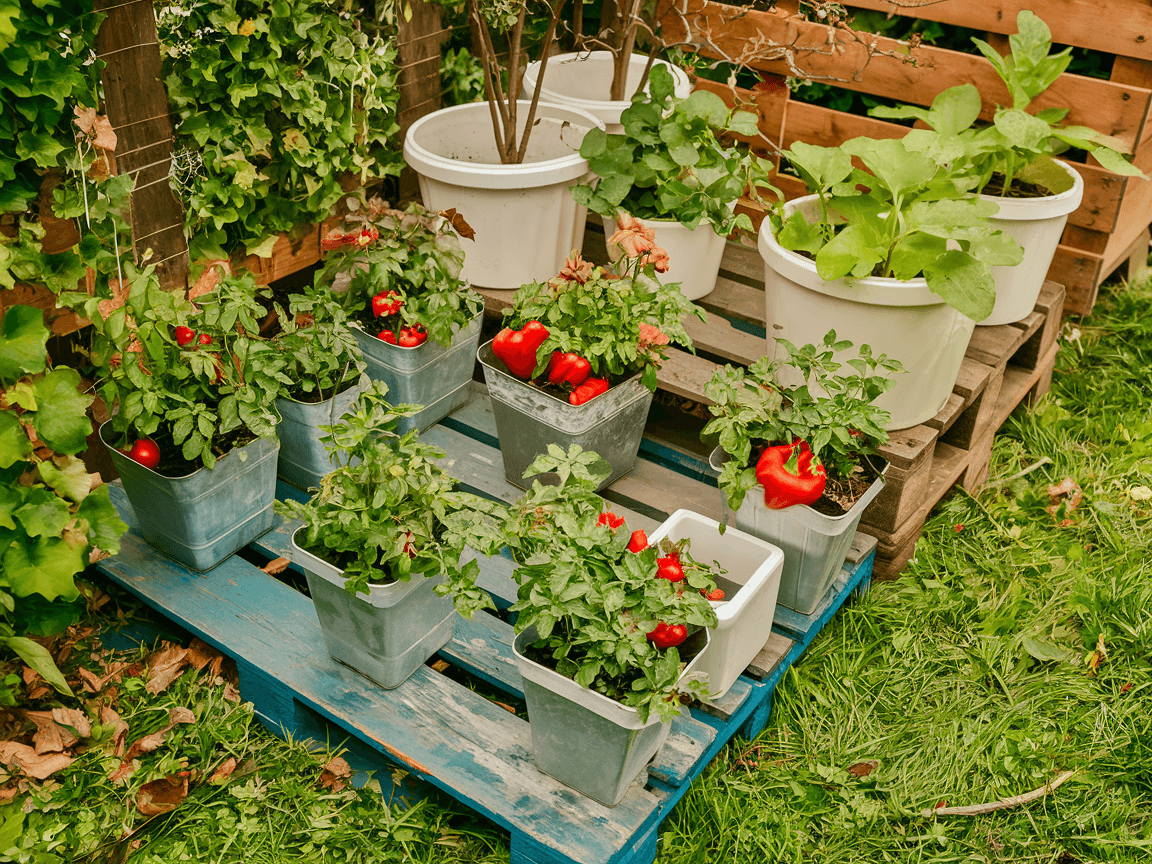
Container Gardening: Grow Your Own Vegetables Anywhere
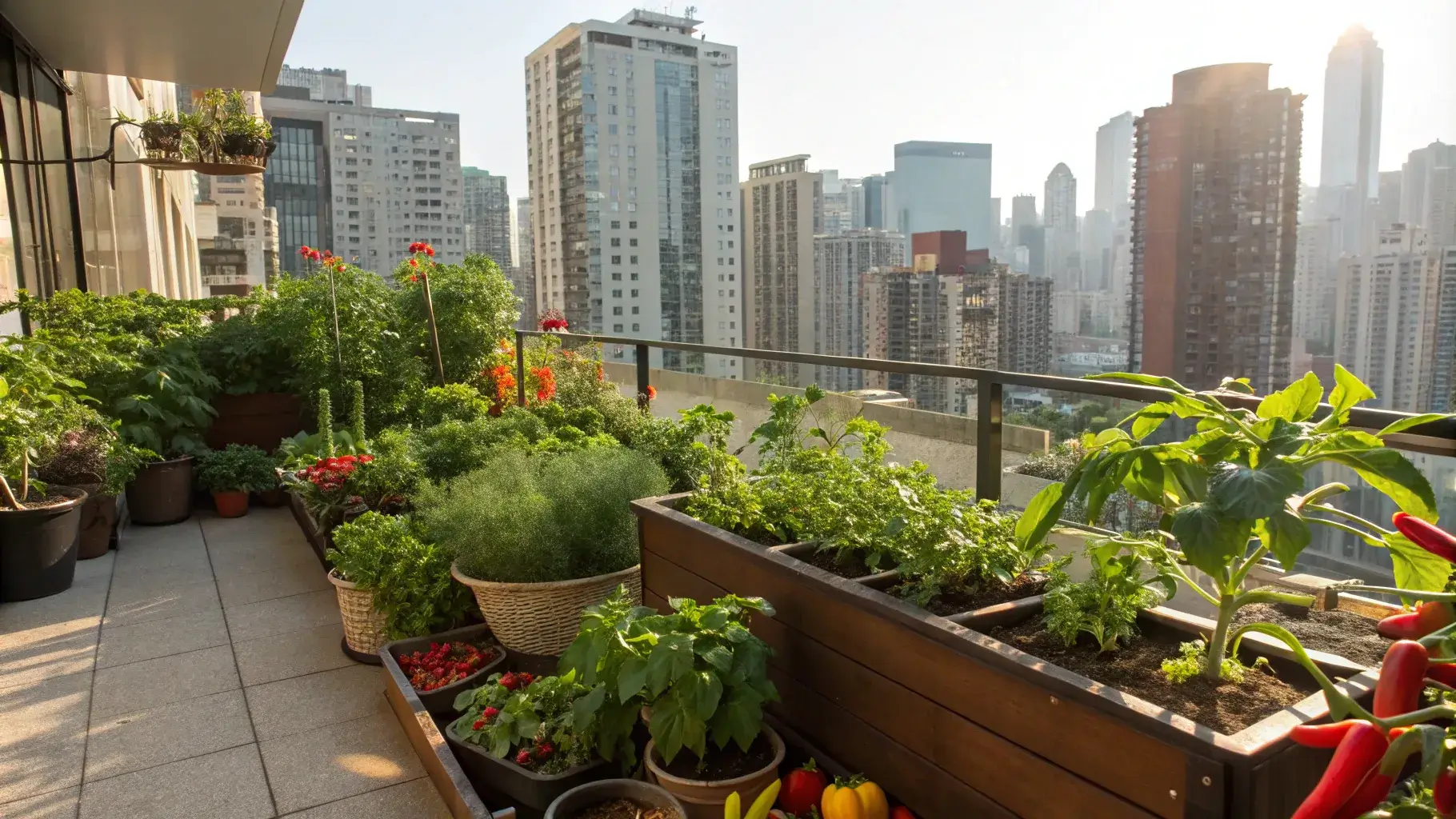
Living in a small apartment or a home with limited garden space doesn’t mean you can’t grow your own food. Container gardening is a perfect solution for anyone looking to become more self-sufficient, regardless of their living situation. Whether you have a balcony, patio, or even just a sunny windowsill, there are many ways to cultivate fresh vegetables in containers. In this blog post, we’ll explore the essentials of container gardening, including container types, planting techniques, and tips for success.
Why Choose Container Gardening?
Container gardening offers several advantages for urban dwellers and those with limited garden space. Here are a few reasons why you might want to consider this method:
Space Efficiency: Containers allow you to use even the smallest spaces for growing food.
Soil Control: You can use high-quality potting mix tailored for the specific needs of your plants.If you’re working with older soil, here’s my guide on reusing old potting soil to refresh it safely.
Accessibility: Raised containers can reduce the need to bend down, making gardening easier on the back.
Portability: Containers can be moved to optimize sunlight exposure or protect plants from extreme weather. And if you’re looking for crops that thrive in containers, don’t miss my guide on how to grow cherry tomatoes in containers for huge yields even in small spaces.
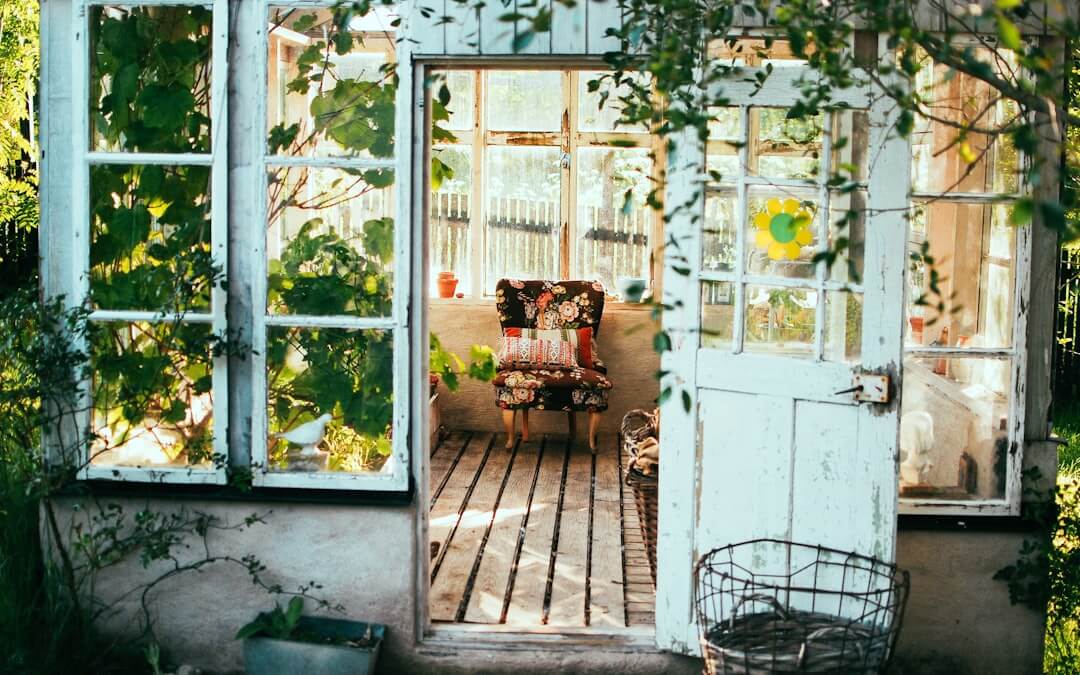
Photo by Arno Smit on Unsplash
Choosing the Right Containers
When it comes to container gardening, selecting the right type of container is crucial. Here are some key considerations:
Material: Containers can be made from plastic, ceramic, wood, or metal. Ensure that any plastic container is food-safe and won’t leach harmful chemicals into the soil. My post on 7 raised bed garden mistakes also covers materials and what to avoid.
Size: The size of your container will depend on the type of plants you want to grow. Larger plants like tomatoes require at least a 5-gallon container, while smaller plants like lettuce can thrive in 1-gallon pots. For more crop ideas, check out 15 best vegetables to grow in raised beds—almost all of them do well in containers too.
Drainage: Make sure your containers have drainage holes to prevent waterlogging, which can lead to root rot.
Soil and Fertilization
The soil you choose for your containers is just as important as the containers themselves. Here’s what you need to know about soil and fertilizers:
Potting Mix: Use a high-quality potting mix designed for container gardening. Brands like Kellogg's Organic Raised Bed Potting Mix are widely available and provide good drainage and nutrients. If you’re curious why, my post on organic fertilizers explains nutrient balance and soil structure in more detail.
Fertilization: Regular fertilization is necessary for container plants since nutrients can leach out with watering. A balanced fertilizer like Neptune's Harvest Fish and Seaweed is recommended.
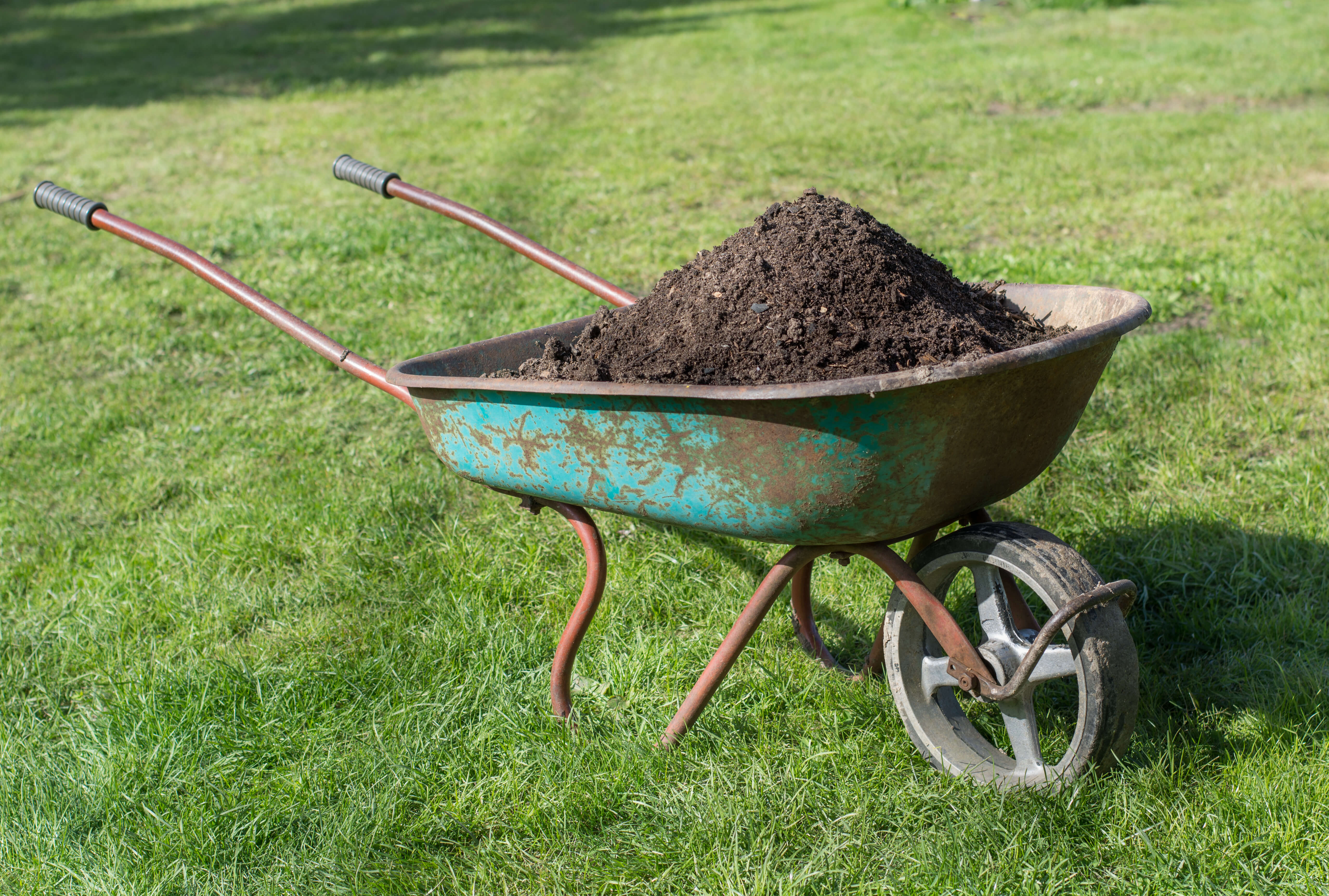
Photo by Towfiqu barbhuiya on Unsplash
Planting in Containers
Once you've chosen your containers and prepared your soil, it's time to plant! Here’s a step-by-step guide:
Fill the Container: Fill your container with potting mix, leaving about 1-2 inches of space at the top.
Planting Seeds or Seedlings: Follow the specific planting depth and spacing requirements for the plants you’re growing. For instance, tomatoes should be planted deep to encourage strong root growth.
Watering: After planting, water thoroughly to help settle the soil around the roots. Ensure the water drains well.
If you’re starting heat-loving crops from seed, make sure to see my guide on the best way to start tomato seeds for strong, healthy transplants.
Label Your Plants: It’s easy to forget what you planted where, so labeling is a good practice.
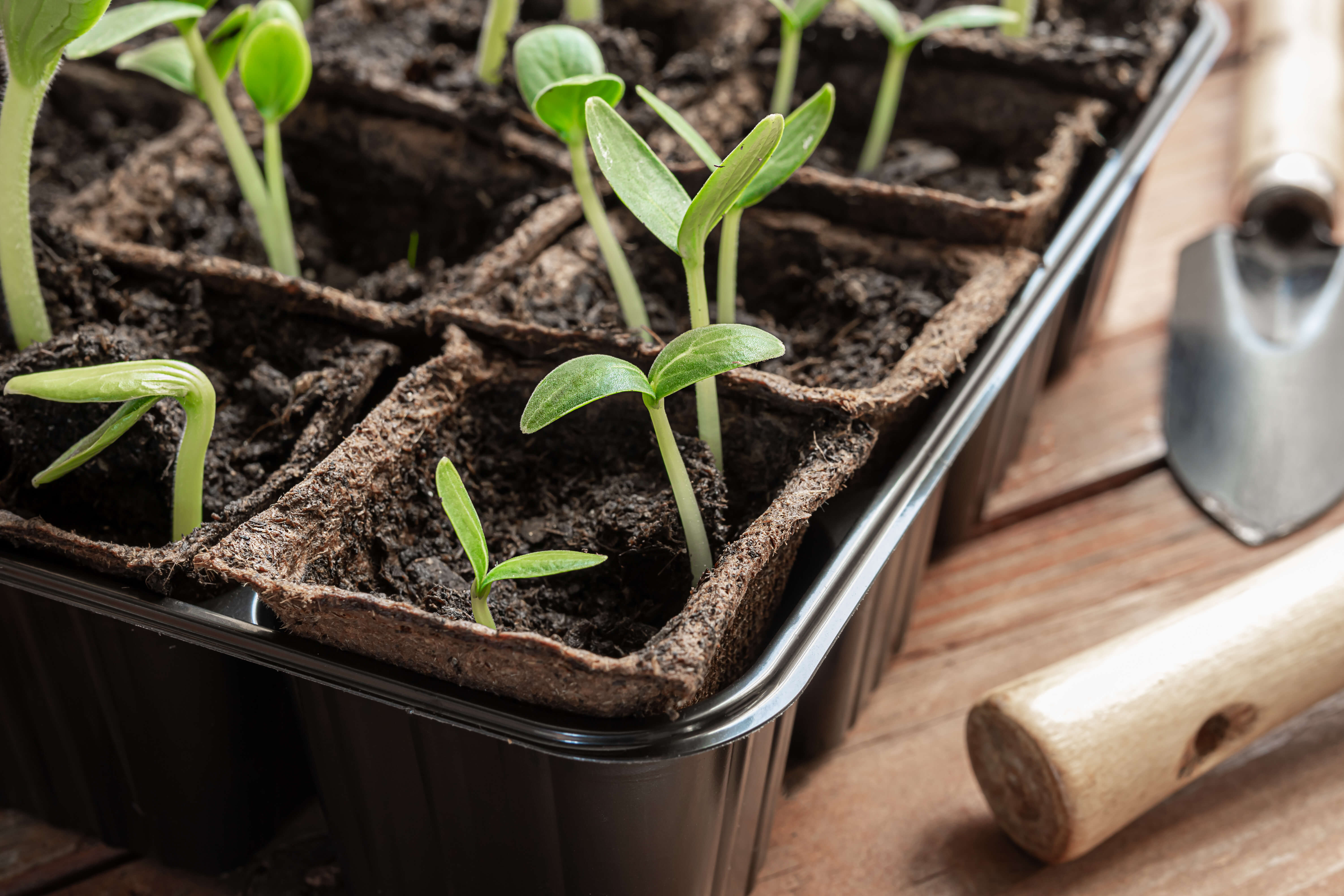
Photo by Markus Spiske on Unsplash
Watering and Maintenance
Proper watering is vital for the health of your container plants. Here are some tips:
Check Moisture Regularly: Stick your finger into the soil about 2-3 inches deep. If it feels dry, it’s time to water.
Avoid Overwatering: Ensure that containers have good drainage to prevent root rot.
Seasonal Care: Adjust your watering schedule based on the season and weather conditions. Containers may require more frequent watering in hot weather.
If you’re growing tomatoes or peppers in pots, this post on pepper growing mistakes can save you a lot of frustration—containers exaggerate those issues.
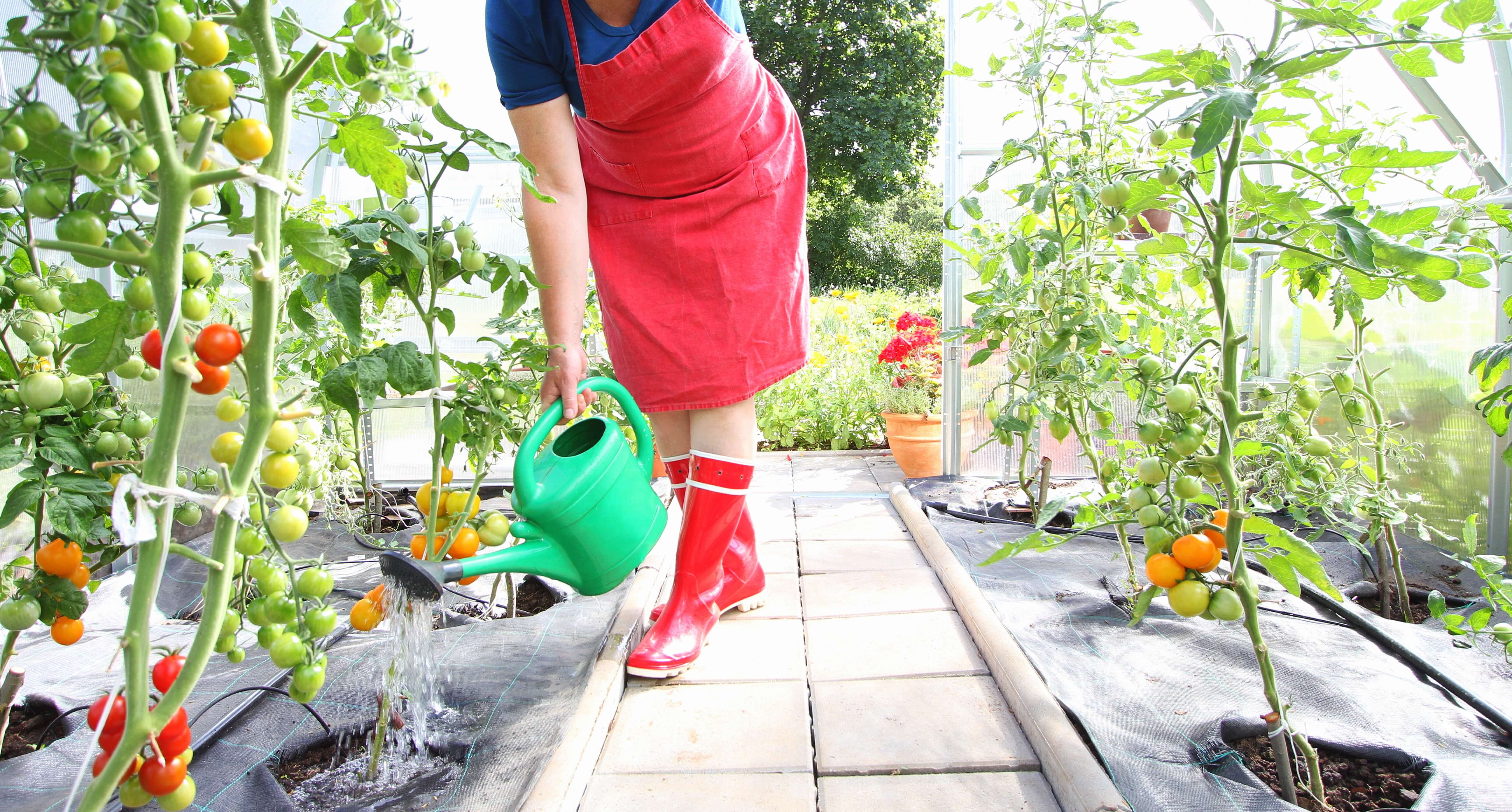
Photo by Roberto Sorin on Unsplash
Best Vegetables for Container Gardening
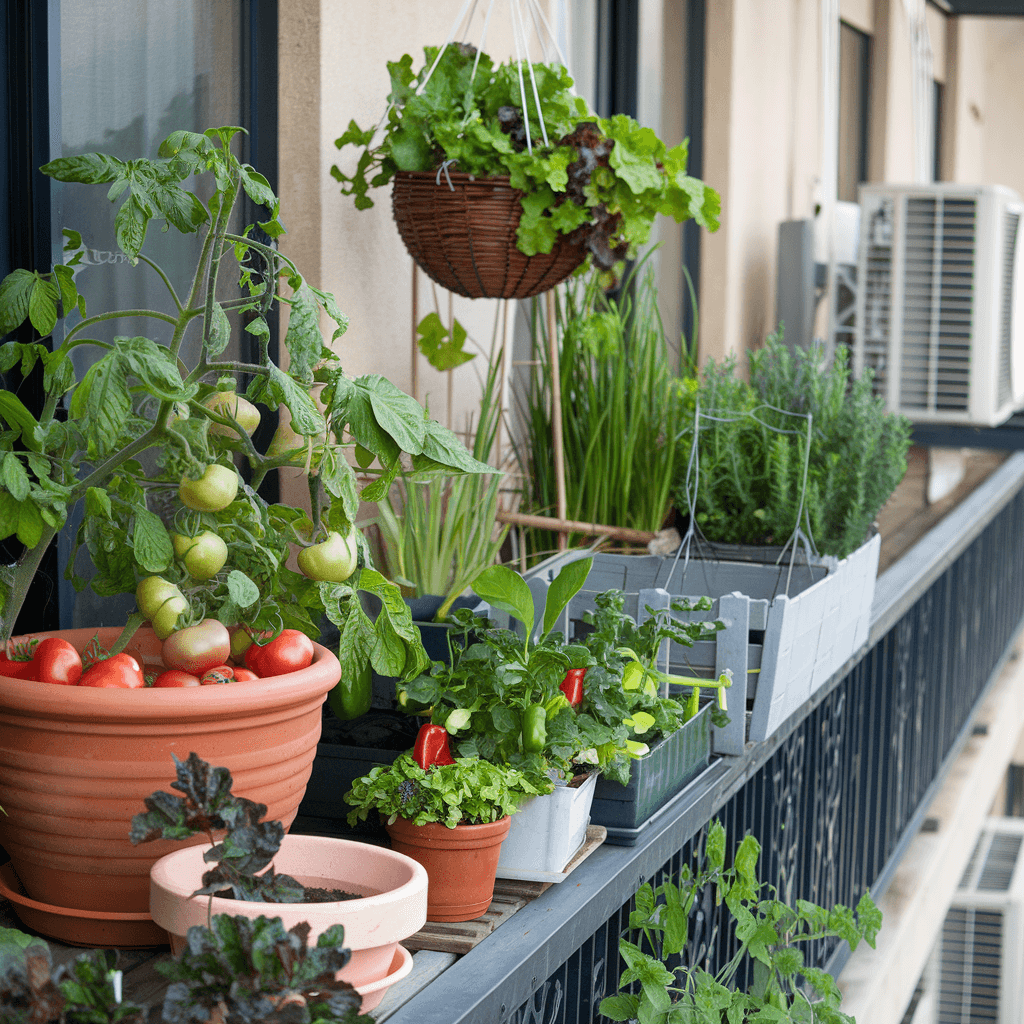
Almost any vegetable can be grown in containers, but some are particularly well-suited for this method:
Potatoes: Plant in deep containers to maximize yield.
Tomatoes: Use at least 5-gallon containers for healthy growth.
Peppers: Thrives in 3-gallon pots.
Herbs: Most herbs do well in smaller containers and can be grown indoors or outdoors.
Leafy Greens: Lettuce and spinach grow well in 1-gallon pots.
If tomatoes are on your list, don’t miss my guide on companion plants for tomatoes to boost your yields even in containers.
Dealing with Challenges
While container gardening can be rewarding, it also comes with its own set of challenges. Here are some common issues and how to tackle them:
Pests: Keep an eye out for pests that can invade container gardens. My post on identifying and treating houseplant pests applies perfectly to container-grown vegetables too.
Root Bound Plants: If plants outgrow their containers, consider dividing them or transferring them to larger pots.
Weather Conditions: Protect your plants from extreme weather by moving containers to sheltered spots as needed.
Expanding Your Container Garden
As you become more comfortable with container gardening, you might want to expand your efforts. Consider trying:
Vertical Gardening: Use vertical planters or trellises to maximize space.
Companion Planting: Grow compatible plants together in the same container to enhance growth and deter pests.
Indoor Gardening: Experiment with growing vegetables indoors under grow lights, especially during the colder months.
If you’re planning what to grow during the cooler months, here’s exactly what to plant in November in mild winter climates.
Conclusion
Container gardening is an accessible and enjoyable way to grow your own food, regardless of space limitations. By understanding the types of containers, soil requirements, and proper maintenance, you can create a thriving garden right at home. Whether you're growing tomatoes on a balcony or herbs on a windowsill, the satisfaction of harvesting your homegrown produce is unmatched. So gather your supplies, choose your plants, and start container gardening today!
For your next steps, here are two helpful guides:
15 best vegetables to grow in raised beds (almost all are great in containers)
Reusing old potting soil (save money filling new containers!)
Happy gardening—your container oasis is just a few pots away.
Container Gardening: Grow Your Own Vegetables Anywhere
Living in a small apartment or a home with limited garden space doesn’t mean you can’t grow your own food. Container gardening is a perfect solution for anyone looking to become more self-sufficient, regardless of their living situation. Whether you have a balcony, patio, or even just a sunny windowsill, there are many ways to cultivate fresh vegetables in containers. In this blog post, we’ll explore the essentials of container gardening, including container types, planting techniques, and tips for success.
Why Choose Container Gardening?
Container gardening offers several advantages for urban dwellers and those with limited garden space. Here are a few reasons why you might want to consider this method:
Space Efficiency: Containers allow you to use even the smallest spaces for growing food.
Soil Control: You can use high-quality potting mix tailored for the specific needs of your plants.If you’re working with older soil, here’s my guide on reusing old potting soil to refresh it safely.
Accessibility: Raised containers can reduce the need to bend down, making gardening easier on the back.
Portability: Containers can be moved to optimize sunlight exposure or protect plants from extreme weather. And if you’re looking for crops that thrive in containers, don’t miss my guide on how to grow cherry tomatoes in containers for huge yields even in small spaces.
Photo by Arno Smit on Unsplash
Choosing the Right Containers
When it comes to container gardening, selecting the right type of container is crucial. Here are some key considerations:
Material: Containers can be made from plastic, ceramic, wood, or metal. Ensure that any plastic container is food-safe and won’t leach harmful chemicals into the soil. My post on 7 raised bed garden mistakes also covers materials and what to avoid.
Size: The size of your container will depend on the type of plants you want to grow. Larger plants like tomatoes require at least a 5-gallon container, while smaller plants like lettuce can thrive in 1-gallon pots. For more crop ideas, check out 15 best vegetables to grow in raised beds—almost all of them do well in containers too.
Drainage: Make sure your containers have drainage holes to prevent waterlogging, which can lead to root rot.
Soil and Fertilization
The soil you choose for your containers is just as important as the containers themselves. Here’s what you need to know about soil and fertilizers:
Potting Mix: Use a high-quality potting mix designed for container gardening. Brands like Kellogg's Organic Raised Bed Potting Mix are widely available and provide good drainage and nutrients. If you’re curious why, my post on organic fertilizers explains nutrient balance and soil structure in more detail.
Fertilization: Regular fertilization is necessary for container plants since nutrients can leach out with watering. A balanced fertilizer like Neptune's Harvest Fish and Seaweed is recommended.
Photo by Towfiqu barbhuiya on Unsplash
Planting in Containers
Once you've chosen your containers and prepared your soil, it's time to plant! Here’s a step-by-step guide:
Fill the Container: Fill your container with potting mix, leaving about 1-2 inches of space at the top.
Planting Seeds or Seedlings: Follow the specific planting depth and spacing requirements for the plants you’re growing. For instance, tomatoes should be planted deep to encourage strong root growth.
Watering: After planting, water thoroughly to help settle the soil around the roots. Ensure the water drains well.
If you’re starting heat-loving crops from seed, make sure to see my guide on the best way to start tomato seeds for strong, healthy transplants.
Label Your Plants: It’s easy to forget what you planted where, so labeling is a good practice.
Photo by Markus Spiske on Unsplash
Watering and Maintenance
Proper watering is vital for the health of your container plants. Here are some tips:
Check Moisture Regularly: Stick your finger into the soil about 2-3 inches deep. If it feels dry, it’s time to water.
Avoid Overwatering: Ensure that containers have good drainage to prevent root rot.
Seasonal Care: Adjust your watering schedule based on the season and weather conditions. Containers may require more frequent watering in hot weather.
If you’re growing tomatoes or peppers in pots, this post on pepper growing mistakes can save you a lot of frustration—containers exaggerate those issues.
Photo by Roberto Sorin on Unsplash
Best Vegetables for Container Gardening
Almost any vegetable can be grown in containers, but some are particularly well-suited for this method:
Potatoes: Plant in deep containers to maximize yield.
Tomatoes: Use at least 5-gallon containers for healthy growth.
Peppers: Thrives in 3-gallon pots.
Herbs: Most herbs do well in smaller containers and can be grown indoors or outdoors.
Leafy Greens: Lettuce and spinach grow well in 1-gallon pots.
If tomatoes are on your list, don’t miss my guide on companion plants for tomatoes to boost your yields even in containers.
Dealing with Challenges
While container gardening can be rewarding, it also comes with its own set of challenges. Here are some common issues and how to tackle them:
Pests: Keep an eye out for pests that can invade container gardens. My post on identifying and treating houseplant pests applies perfectly to container-grown vegetables too.
Root Bound Plants: If plants outgrow their containers, consider dividing them or transferring them to larger pots.
Weather Conditions: Protect your plants from extreme weather by moving containers to sheltered spots as needed.
Expanding Your Container Garden
As you become more comfortable with container gardening, you might want to expand your efforts. Consider trying:
Vertical Gardening: Use vertical planters or trellises to maximize space.
Companion Planting: Grow compatible plants together in the same container to enhance growth and deter pests.
Indoor Gardening: Experiment with growing vegetables indoors under grow lights, especially during the colder months.
If you’re planning what to grow during the cooler months, here’s exactly what to plant in November in mild winter climates.
Conclusion
Container gardening is an accessible and enjoyable way to grow your own food, regardless of space limitations. By understanding the types of containers, soil requirements, and proper maintenance, you can create a thriving garden right at home. Whether you're growing tomatoes on a balcony or herbs on a windowsill, the satisfaction of harvesting your homegrown produce is unmatched. So gather your supplies, choose your plants, and start container gardening today!
For your next steps, here are two helpful guides:
15 best vegetables to grow in raised beds (almost all are great in containers)
Reusing old potting soil (save money filling new containers!)
Happy gardening—your container oasis is just a few pots away.
Free Weekly Garden Tips
Join my free newsletter to receive weekly garden insights + things I think you'll find interesting!
Free Weekly Garden Tips
Join my free newsletter to receive weekly garden insights + things I think you'll find interesting!
Free Weekly Garden Tips
Join my free newsletter to receive weekly garden insights + things I think you'll find interesting!
Let's grow your dream garden.

Subscribe
Join our newsletter to stay up to date on everything happening!
By subscribing you agree to our Privacy Policy and provide consent to receive updates from our company.
Let's grow your dream garden.
Subscribe
Join our newsletter to stay up to date on everything happening!
By subscribing you agree to our Privacy Policy and provide consent to receive updates from our company.
Let's grow your dream garden.
Subscribe
Join our newsletter to stay up to date on everything happening!
By subscribing you agree to our Privacy Policy and provide consent to receive updates from our company.