How to Trim Basil for Big, Bushy Plants
How to Trim Basil for Big, Bushy Plants
Oct 11, 2025
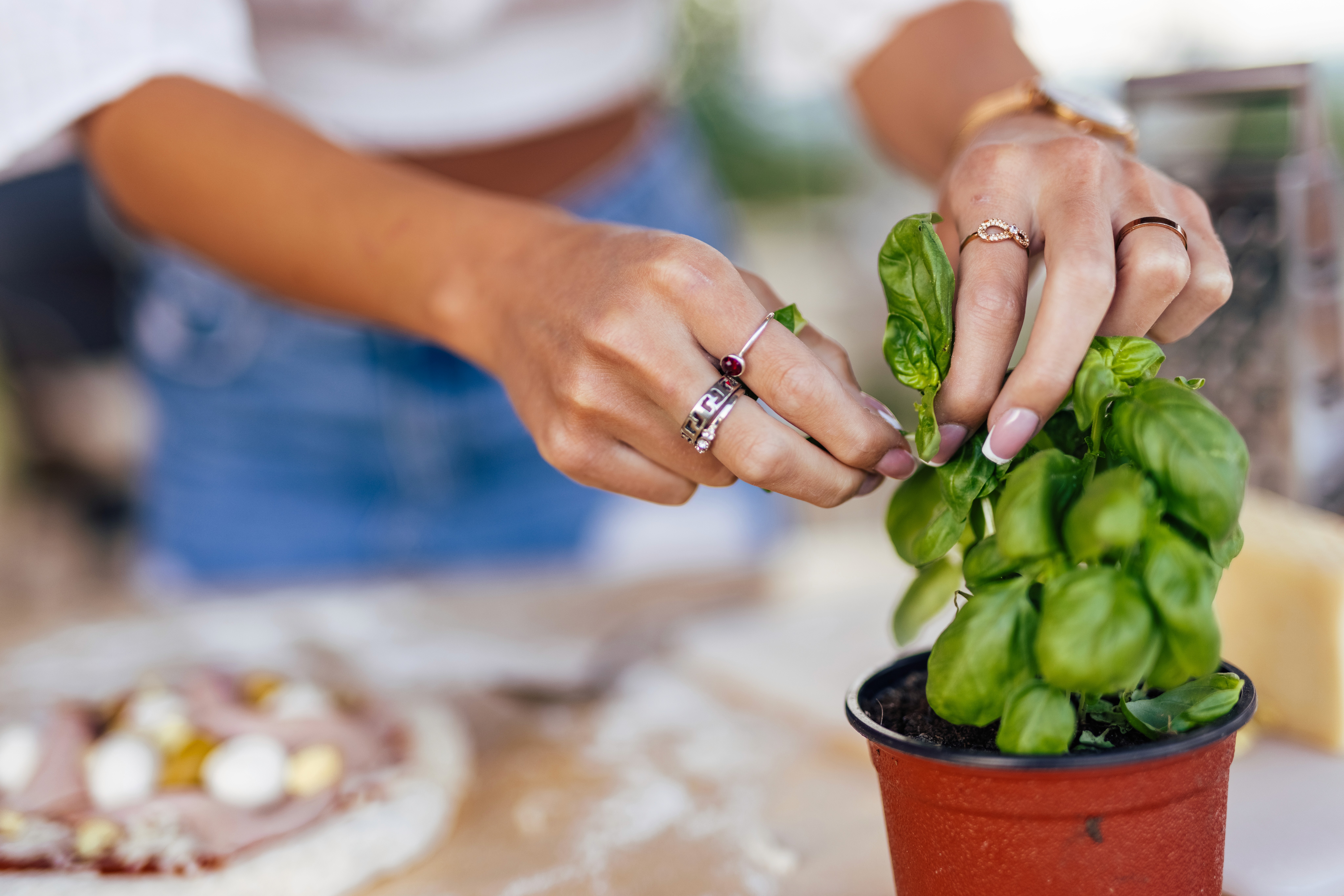
Basil is one of the most beloved herbs in the garden, prized for its aromatic leaves and culinary versatility. Yet, many gardeners wonder why their basil sometimes grows tall and spindly instead of developing a full, bushy appearance. The secret lies in regular and proper trimming. In this post, I'll share my personal tips and step-by-step guide on how to trim basil for big, bushy plants that yield an abundant harvest.
Why Trimming Is Key to a Bushy Basil Plant
When basil grows without interference, it tends to focus its energy on vertical growth—leading to tall, leggy plants with fewer leaves. By trimming (or "pinching") the plant, you encourage:
Branching Out: Removing the growing tip forces the plant to produce side shoots, resulting in a fuller, denser plant.
More Leaves: More branches mean more leaves, which is perfect for culinary use.
Prevention of Flowering: Once basil starts flowering, its energy shifts from leaf production to producing blooms. Regular trimming helps delay flowering, keeping your basil tender and flavorful.
Improved Air Circulation: A well-pruned plant allows for better airflow, reducing the risk of diseases and encouraging robust growth.
When to Start Trimming Your Basil
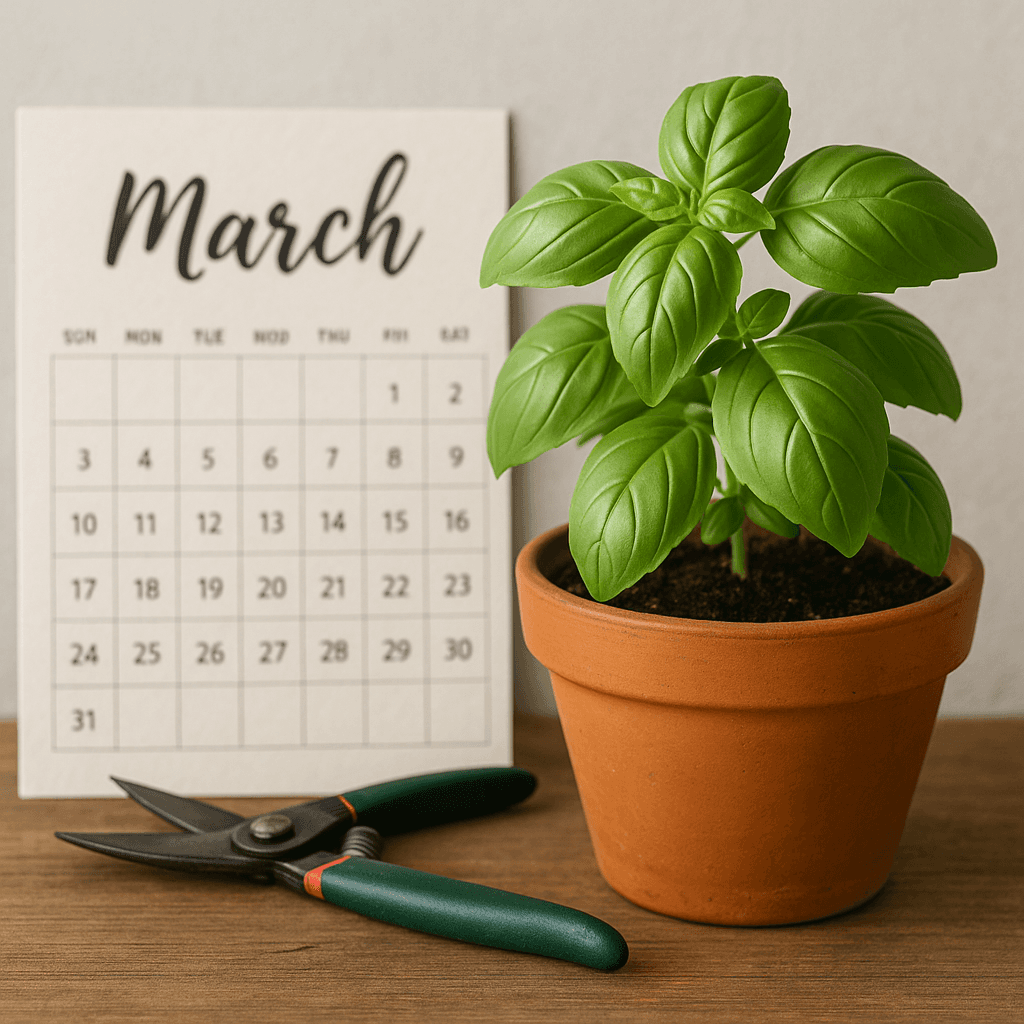
Ideally, you should start trimming your basil when the plant is about 4–6 inches tall and has developed at least two sets of true leaves. This early intervention sets the stage for a bushier plant as it matures.
My Experience:
I’ve noticed that the earlier you start, the more resilient your basil becomes. In my own garden, a few gentle pinches in early summer have consistently rewarded me with vigorous, sprawling basil plants that produce an abundance of fragrant leaves all season long.
Step-by-Step Guide to Trimming Basil
1. Gather Your Tools
Sharp Scissors or Pruning Shears: Clean and sterilize them to avoid transmitting diseases.
Your Fingers: For gentle pinching on smaller stems.
2. Identify the Right Spot to Cut
Locate the Top Growth: Look for the main stem tip where new leaves and side shoots are forming.
Check for Leaf Nodes: These are the small areas where leaves attach to the stem. Cutting just above a leaf node is crucial because it’s where new growth will emerge.
3. The Trimming Process
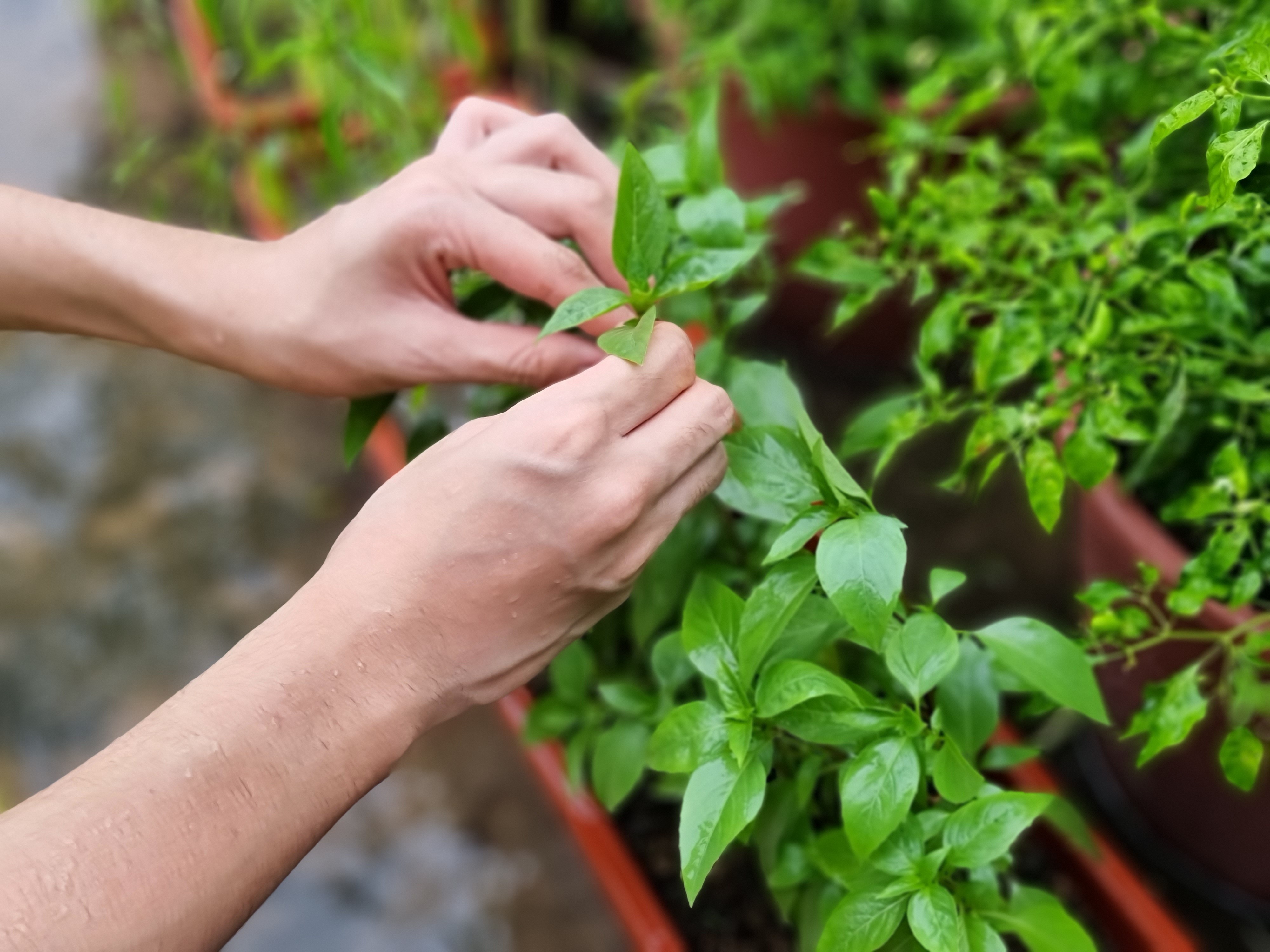
Pinch Off the Top: Using your fingers, gently pinch off the top 1/3 of the stem, right above a leaf node. If the plant is too robust, you can use your scissors to make a clean cut.
Make Clean Cuts: Whether pinching or cutting, ensure the trim is neat. A clean cut reduces the risk of disease and encourages faster healing.
Remove Any Flowers: If you see any buds or tiny flowers, remove them immediately. This redirects energy back into leaf growth instead of flowering.
4. Encourage Lateral Growth
After your initial trim, the plant will produce side shoots. When these new shoots are about 2–3 inches long, repeat the process by trimming the tips of these branches. This continual pinching keeps the basil compact and stimulates even more lateral growth.
5. Regular Maintenance
Trim Often: Aim to trim your basil every couple of weeks. Regular pinching throughout the growing season not only maintains its shape but also prevents it from becoming leggy.
Harvest Liberally: When you trim, you’re essentially harvesting. Use the trimmed leaves in your recipes. This practical approach ensures you’re not only promoting bushy growth but also enjoying fresh basil in your kitchen.
Tips for Success
Don’t Overdo It: While regular trimming is beneficial, be careful not to remove more than one-third of the plant at a time. Over-pruning can stress the plant.
Watch the Weather: Trimming on a dry, sunny day is best. Damp conditions can increase the risk of fungal diseases on freshly cut stems.
Feed Your Plants: A light dose of balanced fertilizer after trimming can give your basil a nutritional boost, ensuring vigorous regrowth.
Rotate Your Harvest: If you have several basil plants, rotate your trimming schedule to ensure consistent growth and prevent over-trimming in any one plant.
Final Thoughts
Trimming basil is a simple yet powerful technique to transform your herb garden. With just a little effort every couple of weeks, you can enjoy fuller, bushier plants that not only look beautiful but also produce an abundance of aromatic leaves for all your culinary adventures.
What to do with the cuttings??? Check out the video below!
Have you tried trimming your basil for a bushier plant? What techniques have worked best for you? Share your experiences and tips in the comments below—let’s grow together!
Happy gardening, and here’s to a season of flavorful, thriving basil!
Basil is one of the most beloved herbs in the garden, prized for its aromatic leaves and culinary versatility. Yet, many gardeners wonder why their basil sometimes grows tall and spindly instead of developing a full, bushy appearance. The secret lies in regular and proper trimming. In this post, I'll share my personal tips and step-by-step guide on how to trim basil for big, bushy plants that yield an abundant harvest.
Why Trimming Is Key to a Bushy Basil Plant
When basil grows without interference, it tends to focus its energy on vertical growth—leading to tall, leggy plants with fewer leaves. By trimming (or "pinching") the plant, you encourage:
Branching Out: Removing the growing tip forces the plant to produce side shoots, resulting in a fuller, denser plant.
More Leaves: More branches mean more leaves, which is perfect for culinary use.
Prevention of Flowering: Once basil starts flowering, its energy shifts from leaf production to producing blooms. Regular trimming helps delay flowering, keeping your basil tender and flavorful.
Improved Air Circulation: A well-pruned plant allows for better airflow, reducing the risk of diseases and encouraging robust growth.
When to Start Trimming Your Basil
Ideally, you should start trimming your basil when the plant is about 4–6 inches tall and has developed at least two sets of true leaves. This early intervention sets the stage for a bushier plant as it matures.
My Experience:
I’ve noticed that the earlier you start, the more resilient your basil becomes. In my own garden, a few gentle pinches in early summer have consistently rewarded me with vigorous, sprawling basil plants that produce an abundance of fragrant leaves all season long.
Step-by-Step Guide to Trimming Basil
1. Gather Your Tools
Sharp Scissors or Pruning Shears: Clean and sterilize them to avoid transmitting diseases.
Your Fingers: For gentle pinching on smaller stems.
2. Identify the Right Spot to Cut
Locate the Top Growth: Look for the main stem tip where new leaves and side shoots are forming.
Check for Leaf Nodes: These are the small areas where leaves attach to the stem. Cutting just above a leaf node is crucial because it’s where new growth will emerge.
3. The Trimming Process
Pinch Off the Top: Using your fingers, gently pinch off the top 1/3 of the stem, right above a leaf node. If the plant is too robust, you can use your scissors to make a clean cut.
Make Clean Cuts: Whether pinching or cutting, ensure the trim is neat. A clean cut reduces the risk of disease and encourages faster healing.
Remove Any Flowers: If you see any buds or tiny flowers, remove them immediately. This redirects energy back into leaf growth instead of flowering.
4. Encourage Lateral Growth
After your initial trim, the plant will produce side shoots. When these new shoots are about 2–3 inches long, repeat the process by trimming the tips of these branches. This continual pinching keeps the basil compact and stimulates even more lateral growth.
5. Regular Maintenance
Trim Often: Aim to trim your basil every couple of weeks. Regular pinching throughout the growing season not only maintains its shape but also prevents it from becoming leggy.
Harvest Liberally: When you trim, you’re essentially harvesting. Use the trimmed leaves in your recipes. This practical approach ensures you’re not only promoting bushy growth but also enjoying fresh basil in your kitchen.
Tips for Success
Don’t Overdo It: While regular trimming is beneficial, be careful not to remove more than one-third of the plant at a time. Over-pruning can stress the plant.
Watch the Weather: Trimming on a dry, sunny day is best. Damp conditions can increase the risk of fungal diseases on freshly cut stems.
Feed Your Plants: A light dose of balanced fertilizer after trimming can give your basil a nutritional boost, ensuring vigorous regrowth.
Rotate Your Harvest: If you have several basil plants, rotate your trimming schedule to ensure consistent growth and prevent over-trimming in any one plant.
Final Thoughts
Trimming basil is a simple yet powerful technique to transform your herb garden. With just a little effort every couple of weeks, you can enjoy fuller, bushier plants that not only look beautiful but also produce an abundance of aromatic leaves for all your culinary adventures.
What to do with the cuttings??? Check out the video below!
Have you tried trimming your basil for a bushier plant? What techniques have worked best for you? Share your experiences and tips in the comments below—let’s grow together!
Happy gardening, and here’s to a season of flavorful, thriving basil!
Free Weekly Garden Tips
Join my free newsletter to receive weekly garden insights + things I think you'll find interesting!
Free Weekly Garden Tips
Join my free newsletter to receive weekly garden insights + things I think you'll find interesting!
Free Weekly Garden Tips
Join my free newsletter to receive weekly garden insights + things I think you'll find interesting!
Let's grow your dream garden.

Subscribe
Join our newsletter to stay up to date on everything happening!
By subscribing you agree to our Privacy Policy and provide consent to receive updates from our company.
Let's grow your dream garden.
Subscribe
Join our newsletter to stay up to date on everything happening!
By subscribing you agree to our Privacy Policy and provide consent to receive updates from our company.
Let's grow your dream garden.
Subscribe
Join our newsletter to stay up to date on everything happening!
By subscribing you agree to our Privacy Policy and provide consent to receive updates from our company.