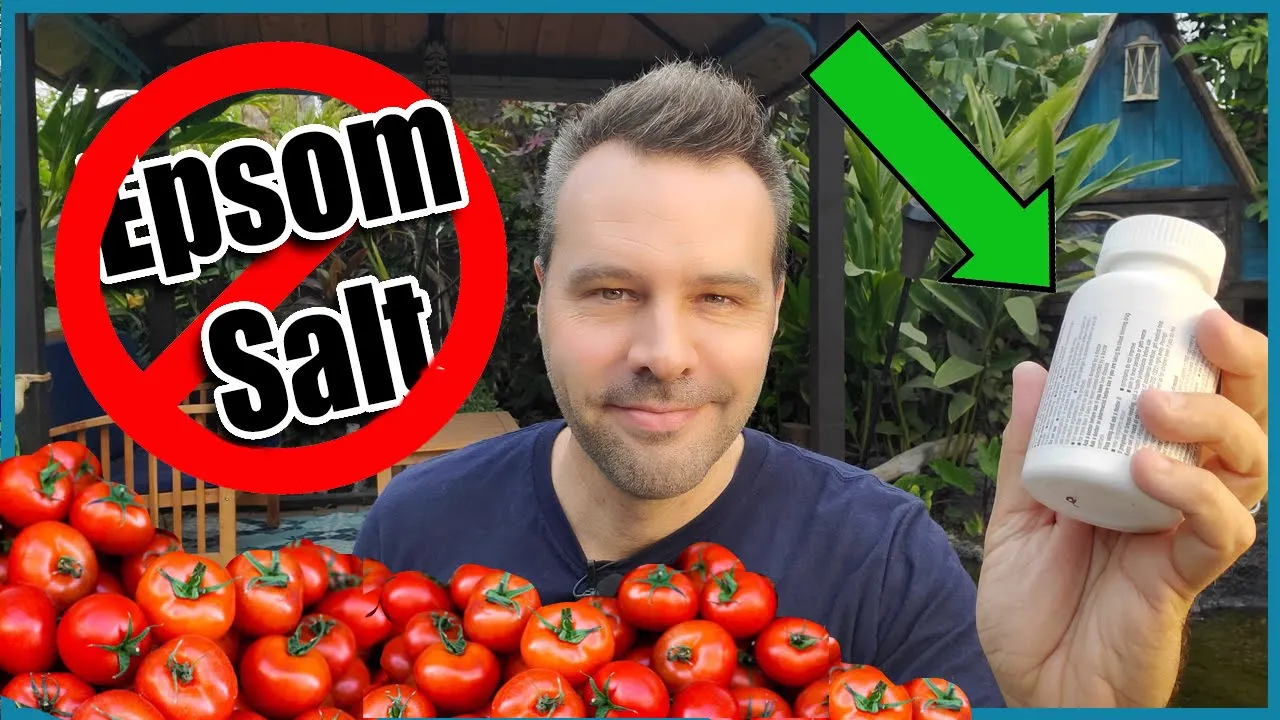
Transform Your Tomatoes With This Household Ingredient!

Transform Your Tomatoes With This Household Ingredient!

Nov 11, 2025

There’s a secret ingredient sitting in your medicine cabinet right now that can dramatically boost your tomato production, improve fruit quality, and increase disease resistance — and no, it’s not Epsom salts.

Two years ago, my How to Grow Tomatoes video became (and still is) the #1 tomato-growing video on YouTube. At the very end of that 22-minute video, I shared this powerful secret — but many people never made it that far.

So today, I’m giving this tip its own spotlight and diving deeper into how and why it works.

Why I Rarely Use Epsom Salts in the Garden

In the thousands of comments on my tomato-growing video, many gardeners assumed that the mystery ingredient was Epsom salts. Let’s clear that up first — and talk about why I rarely use them.

Epsom salts are magnesium sulfate, and while magnesium is a nutrient plants need, it’s a minor one. Most native soils already contain plenty of magnesium. Yet online, Epsom salts are often hyped as a garden cure-all — especially on Pinterest and gardening forums.

The Blossom End Rot Myth

One of the biggest claims is that Epsom salts cure blossom end rot in tomatoes. Unfortunately, this is completely false. Blossom end rot is caused by a calcium deficiency in the plant’s tissues, not a lack of calcium in the soil.

Even if your soil has calcium, the plant can’t absorb it properly when the soil dries out or watering is inconsistent. Adding magnesium (from Epsom salts) can actually make it worse, because magnesium and calcium compete for uptake in the plant’s root system.

So, using Epsom salts might look like a good idea — but in most cases, it makes the calcium problem harder to fix.

When Epsom Salts Do Have a Place

There are only two times I use Epsom salts in my garden:

  1. For Purpling Seedlings or Plants:
    When seedlings or older plants show purpling (a sign of magnesium deficiency), a small dose can help.

  2. In Container Gardens:
    Some potting mixes lack magnesium, so I’ll add a little Epsom salt as insurance — but always pair it with gypsum to supply calcium too.

Outside of those cases, Epsom salts mostly stay on the shelf.

The Real Miracle Ingredient: Aspirin!

So, what’s the real secret to healthier, more productive tomato plants?

It’s aspirin.

When tomatoes are under stress — from pests, drought, or disease — they naturally produce a hormone similar to salicylic acid, the active ingredient in aspirin. This compound activates their immune system, helping them fight off threats more effectively.

When you spray a mild aspirin solution on your tomato plants, they interpret it as a signal that danger is near. The result? Their immune systems kick into high gear before pests or disease ever show up.

It’s like giving your plants a vaccine-level head start.

How to Make the Aspirin Solution

Here’s the simple recipe I use:

  1. Blend 600 milligrams of uncoated aspirin in 1 cup of water until dissolved.

  2. Pour that mixture into 1 gallon of water.

That’s it! You now have a powerful, natural immune-boosting foliar spray.

Application Tips

  • Preventative, not curative: It won’t fix an existing problem — it prevents them from starting.

  • Spray every two weeks, especially before periods of wet weather.

  • Combine with fertilizer: I like to mix in my Neptune’s Harvest Tomato & Veg Formula for an extra nutrient boost.

  • Use on all nightshades: Works wonders on tomatoes, peppers, eggplants, and potatoes.

  • Use uncoated aspirin: The coating on regular tablets can clog your sprayer. If uncoated aspirin is hard to find, I’ve linked it on the Products I Love page on my website.

Gardeners across the country have messaged me over the past year and a half saying this method, combined with my pruning technique, gave them their best tomato season ever — fewer blight problems, stronger plants, and higher yields.

Is Aspirin Organic? (And a Natural Alternative)

This question comes up a lot: Is aspirin considered organic?

Technically, no — aspirin isn’t a certified organic product. But if I had to choose between using aspirin and losing my tomatoes to disease, I’ll take the aspirin. It’s a far safer choice than resorting to chemical fungicides.

However, if you want to stay strictly within organic standards, there’s a natural alternative: willow bark.

Make Your Own “Willow Water”

Willow bark contains the same compound, salicylic acid. You can make “willow water” or “willow tea” by soaking the bark in water for a day or two. Then spray it on your plants just like the aspirin solution — same effect, but 100% organic.

Final Thoughts

Sometimes the best garden solutions are hiding in plain sight — or in your medicine cabinet.

Aspirin (or willow water) helps your tomato plants strengthen their natural immune defenses before disease ever becomes a problem. Combined with good watering habits, rich organic soil, and a balanced feeding schedule, you’ll see stronger plants, fewer fungal issues, and a heavier harvest.

If you found this helpful, share it with a gardener friend who loves growing tomatoes — and make sure you’re subscribed so you don’t miss tomorrow’s video!

There’s a secret ingredient sitting in your medicine cabinet right now that can dramatically boost your tomato production, improve fruit quality, and increase disease resistance — and no, it’s not Epsom salts.

Two years ago, my How to Grow Tomatoes video became (and still is) the #1 tomato-growing video on YouTube. At the very end of that 22-minute video, I shared this powerful secret — but many people never made it that far.

So today, I’m giving this tip its own spotlight and diving deeper into how and why it works.

Why I Rarely Use Epsom Salts in the Garden

In the thousands of comments on my tomato-growing video, many gardeners assumed that the mystery ingredient was Epsom salts. Let’s clear that up first — and talk about why I rarely use them.

Epsom salts are magnesium sulfate, and while magnesium is a nutrient plants need, it’s a minor one. Most native soils already contain plenty of magnesium. Yet online, Epsom salts are often hyped as a garden cure-all — especially on Pinterest and gardening forums.

The Blossom End Rot Myth

One of the biggest claims is that Epsom salts cure blossom end rot in tomatoes. Unfortunately, this is completely false. Blossom end rot is caused by a calcium deficiency in the plant’s tissues, not a lack of calcium in the soil.

Even if your soil has calcium, the plant can’t absorb it properly when the soil dries out or watering is inconsistent. Adding magnesium (from Epsom salts) can actually make it worse, because magnesium and calcium compete for uptake in the plant’s root system.

So, using Epsom salts might look like a good idea — but in most cases, it makes the calcium problem harder to fix.

When Epsom Salts Do Have a Place

There are only two times I use Epsom salts in my garden:

  1. For Purpling Seedlings or Plants:
    When seedlings or older plants show purpling (a sign of magnesium deficiency), a small dose can help.

  2. In Container Gardens:
    Some potting mixes lack magnesium, so I’ll add a little Epsom salt as insurance — but always pair it with gypsum to supply calcium too.

Outside of those cases, Epsom salts mostly stay on the shelf.

The Real Miracle Ingredient: Aspirin!

So, what’s the real secret to healthier, more productive tomato plants?

It’s aspirin.

When tomatoes are under stress — from pests, drought, or disease — they naturally produce a hormone similar to salicylic acid, the active ingredient in aspirin. This compound activates their immune system, helping them fight off threats more effectively.

When you spray a mild aspirin solution on your tomato plants, they interpret it as a signal that danger is near. The result? Their immune systems kick into high gear before pests or disease ever show up.

It’s like giving your plants a vaccine-level head start.

How to Make the Aspirin Solution

Here’s the simple recipe I use:

  1. Blend 600 milligrams of uncoated aspirin in 1 cup of water until dissolved.

  2. Pour that mixture into 1 gallon of water.

That’s it! You now have a powerful, natural immune-boosting foliar spray.

Application Tips

  • Preventative, not curative: It won’t fix an existing problem — it prevents them from starting.

  • Spray every two weeks, especially before periods of wet weather.

  • Combine with fertilizer: I like to mix in my Neptune’s Harvest Tomato & Veg Formula for an extra nutrient boost.

  • Use on all nightshades: Works wonders on tomatoes, peppers, eggplants, and potatoes.

  • Use uncoated aspirin: The coating on regular tablets can clog your sprayer. If uncoated aspirin is hard to find, I’ve linked it on the Products I Love page on my website.

Gardeners across the country have messaged me over the past year and a half saying this method, combined with my pruning technique, gave them their best tomato season ever — fewer blight problems, stronger plants, and higher yields.

Is Aspirin Organic? (And a Natural Alternative)

This question comes up a lot: Is aspirin considered organic?

Technically, no — aspirin isn’t a certified organic product. But if I had to choose between using aspirin and losing my tomatoes to disease, I’ll take the aspirin. It’s a far safer choice than resorting to chemical fungicides.

However, if you want to stay strictly within organic standards, there’s a natural alternative: willow bark.

Make Your Own “Willow Water”

Willow bark contains the same compound, salicylic acid. You can make “willow water” or “willow tea” by soaking the bark in water for a day or two. Then spray it on your plants just like the aspirin solution — same effect, but 100% organic.

Final Thoughts

Sometimes the best garden solutions are hiding in plain sight — or in your medicine cabinet.

Aspirin (or willow water) helps your tomato plants strengthen their natural immune defenses before disease ever becomes a problem. Combined with good watering habits, rich organic soil, and a balanced feeding schedule, you’ll see stronger plants, fewer fungal issues, and a heavier harvest.

If you found this helpful, share it with a gardener friend who loves growing tomatoes — and make sure you’re subscribed so you don’t miss tomorrow’s video!

Free Weekly Garden Tips

Join my free newsletter to receive weekly garden insights + things I think you'll find interesting!

Free Weekly Garden Tips

Join my free newsletter to receive weekly garden insights + things I think you'll find interesting!

Free Weekly Garden Tips

Join my free newsletter to receive weekly garden insights + things I think you'll find interesting!

Let's grow your dream garden.

Subscribe

Join our newsletter to stay up to date on everything happening!

By subscribing you agree to our Privacy Policy and provide consent to receive updates from our company.

© 2026 Next Level Gardening. All rights reserved.

Let's grow your dream garden.

Subscribe

Join our newsletter to stay up to date on everything happening!

By subscribing you agree to our Privacy Policy and provide consent to receive updates from our company.

© 2026 Next Level Gardening. All rights reserved.

Let's grow your dream garden.

Subscribe

Join our newsletter to stay up to date on everything happening!

By subscribing you agree to our Privacy Policy and provide consent to receive updates from our company.

© 2026 Next Level Gardening. All rights reserved.