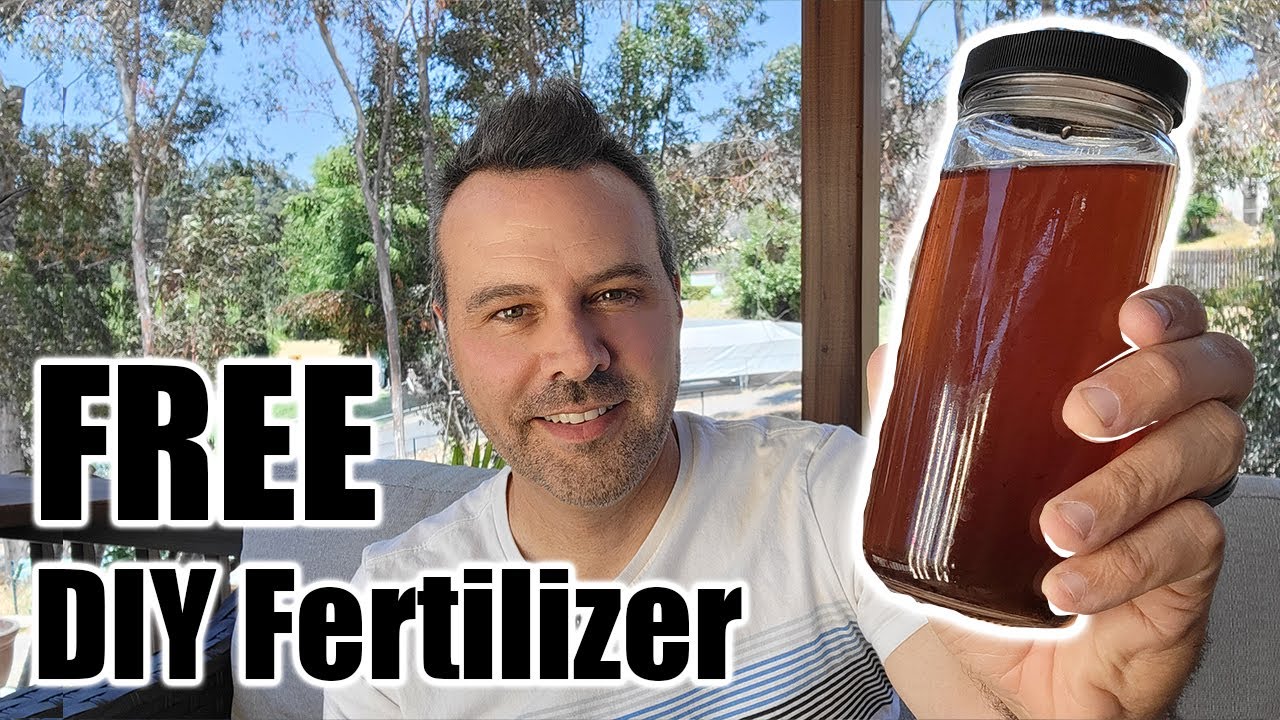
What I Use Instead of Miracle-Gro (Plus Free Homemade Fertilizer!)
Nov 11, 2025


A couple of weeks ago, I shared why I don’t use Miracle-Gro — and many of you asked, “Okay, Brian… what do you use instead?”
Today, I’m sharing my favorite store-bought organic fertilizers and free homemade options you can make right from your garden or kitchen. Whether you have more money than time or more time than money, there’s something here for you — including a powerful manure tea recipe that plants absolutely love.
Let’s dig in!
Store-Bought Organic Fertilizers
If you want reliable, high-quality results with minimal effort, here are my favorite organic fertilizers that you can buy at your local garden center or online.
🦴 Bone Meal
What it is: Ground-up bones rich in calcium and phosphorus.
Best for: Acidic soils (pH 7 or lower).
Why it works: Bone meal releases phosphorus slowly, feeding soil microbes and strengthening roots and blooms.
Caution: In alkaline soils, bone meal isn’t very effective — phosphorus becomes locked up and unavailable. A liquid form combined with humic substances (like those in Neptune’s Harvest products) helps make phosphorus available in all soil types.
💉 Blood Meal
What it is: Dried animal blood.
Benefits: A powerful source of nitrogen that jumpstarts leaf growth and feeds soil microbes.
Caution: “Organic” on the label doesn’t always mean the animals were raised organically — it just means it’s a natural fertilizer. Choose trusted brands like Espoma, which ensures purity and safety.
🌿 Kelp Meal
What it is: Powdered seaweed.
Benefits: Packed with over 70 micronutrients and minerals, plus natural growth hormones and potassium for strong, resilient plants. Seaweed literally filters ocean minerals and stores them — giving your garden a mineral-rich boost.
🐟 Fish Emulsion vs. Hydrolyzed Fish
Fish Emulsion: Cooked and blended fish — high in nutrients but with a strong, lingering odor and fewer beneficial microbes (they’re killed in processing).
Hydrolyzed Fish: My personal preference. It’s cold-processed with enzymes, preserving beneficial microbes, natural hormones, and enzymes that bring your soil to life. It’s gentler on plants, and the fishy smell fades within 24 hours.
My Go-To Fertilizers: Neptune’s Harvest
Even before partnering with them, I’ve used Neptune’s Harvest for years — about 90% of my garden runs on their products.
Here’s what I use and why:
Kelp Meal & Crab and Lobster Meal: A handful of each goes under every plant at planting time.
Fish & Seaweed Fertilizer: Perfect for seedlings, young plants, and fruit trees before they flower.
Tomato & Veg Formula (My Favorite): This is the ultimate all-in-one fertilizer — and here’s what makes it powerful:
Molasses: Adds potassium (about 5%) and sugars that feed soil microbes, making your soil come alive.
Humates: The “black gold” of soil — decomposed organic carbon that improves structure, root development, and nutrient availability.
Yucca Extract: A natural wetting agent that keeps soil moisture consistent and helps nutrients soak deep into the root zone — especially great for dry climates.
This combination of organically complex phosphorus + humates ensures nutrients stay available even in alkaline soils.
I use Neptune’s Tomato & Veg Formula every two weeks during the growing season — as both a soil drench and a foliar spray (in the morning to avoid disease).
Neptune’s Harvest has been a family-run business since 1965, turning wild-caught Atlantic fish that would otherwise go to waste into nutrient-dense, ocean-derived fertilizer.
Cheap or Free Homemade Fertilizers
If you’d rather save money and put in a little time, you can make incredible fertilizers from materials you already have. These enrich the soil naturally, build microbial life, and cost next to nothing.
♻️ Compost
Benefits: Compost doesn’t directly feed plants — it feeds the soil life that supports them.
Tip: Healthy, microbe-rich soil means you’ll need less fertilizer overall. Make your own compost pile or bin — it’s the heart of an organic garden.
🐇 Rabbit Manure
Benefits: A “cold” manure rich in nitrogen and beneficial microbes. You can use it fresh directly in the garden without composting.
Smell: Surprisingly mild!
🐔 Chicken Manure
Benefits: Extremely high in nitrogen, phosphorus, potassium, calcium, and organic matter.
Caution: It’s a “hot” manure — it must be aged 6–12 months or composted for about 6 weeks before use.
Result: Excellent for improving soil texture and water retention.
🐄 Horse & Cow Manure
Also “hot” manures that require aging before use. They add nitrogen, organic matter, and improve overall soil structure.
Important: Always ask what the animals were fed. Herbicides like Grazon can survive digestion and remain active in manure for years, stunting or killing your plants.
🫖 Manure Tea (My Favorite Free Fertilizer)
This is one of my go-tos for boosting plant growth naturally.
How to make it:
Fill a cotton pillowcase one-third full with manure (any type).
Place it in a bucket or trash can with two parts water (1 part manure : 2 parts water).
Let it steep for a few days, dunking occasionally.
To use: Dilute the tea — about 1 cup per gallon of water — and apply as a soil drench or foliar spray.
When finished, toss the spent manure into your compost pile.
🌿 Comfrey or Nettle Tea
How to:
Chop comfrey or nettle leaves, weigh them down in a 5-gallon bucket of water, and cover it. Let it ferment for 1–2 weeks (warning: it smells awful!).
Use: Strain, dilute (1 part tea : 8 parts water), and apply to soil or leaves. Plants love it.
🌊 Fresh Kelp or Seaweed
If you live near the coast, collect fresh seaweed, rinse it to remove salt, chop it up, and add it directly to your garden beds or compost pile. It’s free trace mineral fertilizer from the ocean.
🐠 Aquarium Water
Water from fish tanks is naturally full of nitrogen and trace nutrients — a gentle, ready-to-use fertilizer perfect for indoor or outdoor plants.
🪱 Vermicomposting (Worm Farming)
Benefits: Produces worm castings and “worm tea,” both powerful organic fertilizers.
Mix castings into potting soil or raised beds, and use the liquid as a nutrient-rich foliar feed.
🌾 Green Manure
What it is: Planting a cover crop (like rye, buckwheat, or crimson clover) that’s later chopped down or tilled in to enrich soil.
How to: Grow until just before flowering, then cut it down. In no-dig gardens, leave it to decompose on top; in tilled gardens, work it into the soil about a month before planting.
Benefits: Adds nutrients, improves structure, and suppresses weeds.
For more on green manures and how they can even fight plant diseases, check out my book, Companion Planting for Beginners.
Things to Compost — Not Add Directly to the Garden
Some materials are beneficial but can cause issues if added straight to your beds. Compost them first!
Banana Peels: High in calcium, but break down better in compost.
Kitchen Scraps: Compost instead of burying (unless trench planting beans).
Coffee Grounds: Acidic — use in moderation or compost them.
Grass Clippings: Can mat down and repel water; compost or use as a thin mulch.
Wood Ash: Adds potassium and calcium but can raise soil pH; compost to buffer it first.
Final Thoughts
Whether you prefer store-bought organic fertilizers or homemade natural brews, your plants don’t need Miracle-Gro to thrive.
Healthy soil, consistent feeding, and living microbes are the real “miracle.” By understanding how these fertilizers work — and choosing what fits your time and budget — you’ll build richer soil, stronger plants, and bigger harvests.
Happy gardening!
A couple of weeks ago, I shared why I don’t use Miracle-Gro — and many of you asked, “Okay, Brian… what do you use instead?”
Today, I’m sharing my favorite store-bought organic fertilizers and free homemade options you can make right from your garden or kitchen. Whether you have more money than time or more time than money, there’s something here for you — including a powerful manure tea recipe that plants absolutely love.
Let’s dig in!
Store-Bought Organic Fertilizers
If you want reliable, high-quality results with minimal effort, here are my favorite organic fertilizers that you can buy at your local garden center or online.
🦴 Bone Meal
What it is: Ground-up bones rich in calcium and phosphorus.
Best for: Acidic soils (pH 7 or lower).
Why it works: Bone meal releases phosphorus slowly, feeding soil microbes and strengthening roots and blooms.
Caution: In alkaline soils, bone meal isn’t very effective — phosphorus becomes locked up and unavailable. A liquid form combined with humic substances (like those in Neptune’s Harvest products) helps make phosphorus available in all soil types.
💉 Blood Meal
What it is: Dried animal blood.
Benefits: A powerful source of nitrogen that jumpstarts leaf growth and feeds soil microbes.
Caution: “Organic” on the label doesn’t always mean the animals were raised organically — it just means it’s a natural fertilizer. Choose trusted brands like Espoma, which ensures purity and safety.
🌿 Kelp Meal
What it is: Powdered seaweed.
Benefits: Packed with over 70 micronutrients and minerals, plus natural growth hormones and potassium for strong, resilient plants. Seaweed literally filters ocean minerals and stores them — giving your garden a mineral-rich boost.
🐟 Fish Emulsion vs. Hydrolyzed Fish
Fish Emulsion: Cooked and blended fish — high in nutrients but with a strong, lingering odor and fewer beneficial microbes (they’re killed in processing).
Hydrolyzed Fish: My personal preference. It’s cold-processed with enzymes, preserving beneficial microbes, natural hormones, and enzymes that bring your soil to life. It’s gentler on plants, and the fishy smell fades within 24 hours.
My Go-To Fertilizers: Neptune’s Harvest
Even before partnering with them, I’ve used Neptune’s Harvest for years — about 90% of my garden runs on their products.
Here’s what I use and why:
Kelp Meal & Crab and Lobster Meal: A handful of each goes under every plant at planting time.
Fish & Seaweed Fertilizer: Perfect for seedlings, young plants, and fruit trees before they flower.
Tomato & Veg Formula (My Favorite): This is the ultimate all-in-one fertilizer — and here’s what makes it powerful:
Molasses: Adds potassium (about 5%) and sugars that feed soil microbes, making your soil come alive.
Humates: The “black gold” of soil — decomposed organic carbon that improves structure, root development, and nutrient availability.
Yucca Extract: A natural wetting agent that keeps soil moisture consistent and helps nutrients soak deep into the root zone — especially great for dry climates.
This combination of organically complex phosphorus + humates ensures nutrients stay available even in alkaline soils.
I use Neptune’s Tomato & Veg Formula every two weeks during the growing season — as both a soil drench and a foliar spray (in the morning to avoid disease).
Neptune’s Harvest has been a family-run business since 1965, turning wild-caught Atlantic fish that would otherwise go to waste into nutrient-dense, ocean-derived fertilizer.
Cheap or Free Homemade Fertilizers
If you’d rather save money and put in a little time, you can make incredible fertilizers from materials you already have. These enrich the soil naturally, build microbial life, and cost next to nothing.
♻️ Compost
Benefits: Compost doesn’t directly feed plants — it feeds the soil life that supports them.
Tip: Healthy, microbe-rich soil means you’ll need less fertilizer overall. Make your own compost pile or bin — it’s the heart of an organic garden.
🐇 Rabbit Manure
Benefits: A “cold” manure rich in nitrogen and beneficial microbes. You can use it fresh directly in the garden without composting.
Smell: Surprisingly mild!
🐔 Chicken Manure
Benefits: Extremely high in nitrogen, phosphorus, potassium, calcium, and organic matter.
Caution: It’s a “hot” manure — it must be aged 6–12 months or composted for about 6 weeks before use.
Result: Excellent for improving soil texture and water retention.
🐄 Horse & Cow Manure
Also “hot” manures that require aging before use. They add nitrogen, organic matter, and improve overall soil structure.
Important: Always ask what the animals were fed. Herbicides like Grazon can survive digestion and remain active in manure for years, stunting or killing your plants.
🫖 Manure Tea (My Favorite Free Fertilizer)
This is one of my go-tos for boosting plant growth naturally.
How to make it:
Fill a cotton pillowcase one-third full with manure (any type).
Place it in a bucket or trash can with two parts water (1 part manure : 2 parts water).
Let it steep for a few days, dunking occasionally.
To use: Dilute the tea — about 1 cup per gallon of water — and apply as a soil drench or foliar spray.
When finished, toss the spent manure into your compost pile.
🌿 Comfrey or Nettle Tea
How to:
Chop comfrey or nettle leaves, weigh them down in a 5-gallon bucket of water, and cover it. Let it ferment for 1–2 weeks (warning: it smells awful!).
Use: Strain, dilute (1 part tea : 8 parts water), and apply to soil or leaves. Plants love it.
🌊 Fresh Kelp or Seaweed
If you live near the coast, collect fresh seaweed, rinse it to remove salt, chop it up, and add it directly to your garden beds or compost pile. It’s free trace mineral fertilizer from the ocean.
🐠 Aquarium Water
Water from fish tanks is naturally full of nitrogen and trace nutrients — a gentle, ready-to-use fertilizer perfect for indoor or outdoor plants.
🪱 Vermicomposting (Worm Farming)
Benefits: Produces worm castings and “worm tea,” both powerful organic fertilizers.
Mix castings into potting soil or raised beds, and use the liquid as a nutrient-rich foliar feed.
🌾 Green Manure
What it is: Planting a cover crop (like rye, buckwheat, or crimson clover) that’s later chopped down or tilled in to enrich soil.
How to: Grow until just before flowering, then cut it down. In no-dig gardens, leave it to decompose on top; in tilled gardens, work it into the soil about a month before planting.
Benefits: Adds nutrients, improves structure, and suppresses weeds.
For more on green manures and how they can even fight plant diseases, check out my book, Companion Planting for Beginners.
Things to Compost — Not Add Directly to the Garden
Some materials are beneficial but can cause issues if added straight to your beds. Compost them first!
Banana Peels: High in calcium, but break down better in compost.
Kitchen Scraps: Compost instead of burying (unless trench planting beans).
Coffee Grounds: Acidic — use in moderation or compost them.
Grass Clippings: Can mat down and repel water; compost or use as a thin mulch.
Wood Ash: Adds potassium and calcium but can raise soil pH; compost to buffer it first.
Final Thoughts
Whether you prefer store-bought organic fertilizers or homemade natural brews, your plants don’t need Miracle-Gro to thrive.
Healthy soil, consistent feeding, and living microbes are the real “miracle.” By understanding how these fertilizers work — and choosing what fits your time and budget — you’ll build richer soil, stronger plants, and bigger harvests.
Happy gardening!
Free Weekly Garden Tips
Join my free newsletter to receive weekly garden insights + things I think you'll find interesting!
Free Weekly Garden Tips
Join my free newsletter to receive weekly garden insights + things I think you'll find interesting!
Free Weekly Garden Tips
Join my free newsletter to receive weekly garden insights + things I think you'll find interesting!
Let's grow your dream garden.
Subscribe
Join our newsletter to stay up to date on everything happening!
By subscribing you agree to our Privacy Policy and provide consent to receive updates from our company.
Let's grow your dream garden.
Subscribe
Join our newsletter to stay up to date on everything happening!
By subscribing you agree to our Privacy Policy and provide consent to receive updates from our company.
Let's grow your dream garden.
Subscribe
Join our newsletter to stay up to date on everything happening!
By subscribing you agree to our Privacy Policy and provide consent to receive updates from our company.