15 Best Vegetables to Grow in Raised Beds
15 Best Vegetables to Grow in Raised Beds
Oct 11, 2025
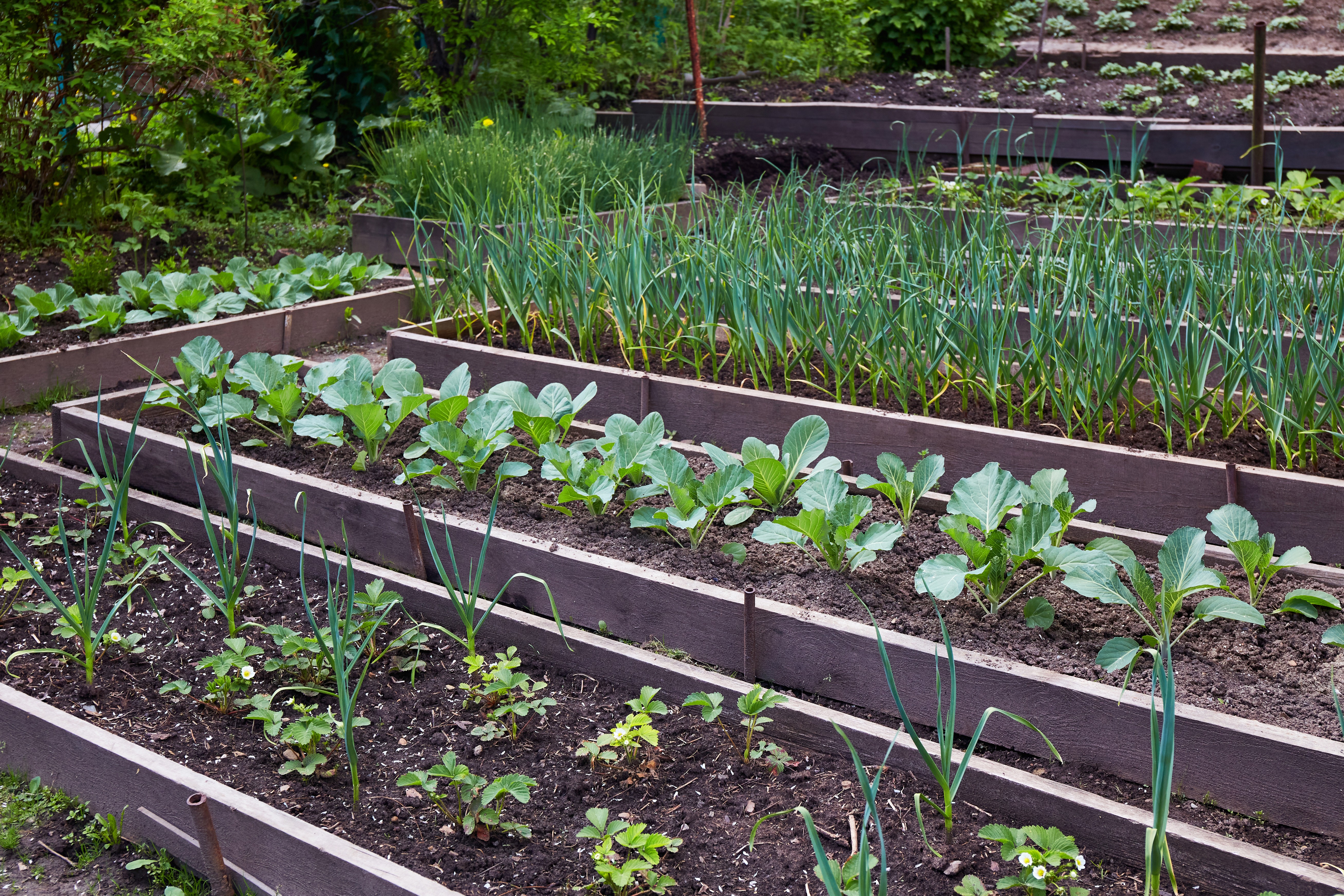
Raised bed gardening is a game-changer for vegetable growers. It offers improved drainage, enhanced soil quality, and easier maintenance, making it an ideal choice for gardeners of all levels. If you’re looking to maximize your vegetable harvest while minimizing back-breaking labor, raised beds might be your best friend. In this post, we’ll explore the 15 best vegetables to grow in raised beds, complete with tips on how to get the most out of your garden.
If you’re new to raised beds, you may also want to read my post on 7 raised bed garden mistakes to avoid common beginner pitfalls.
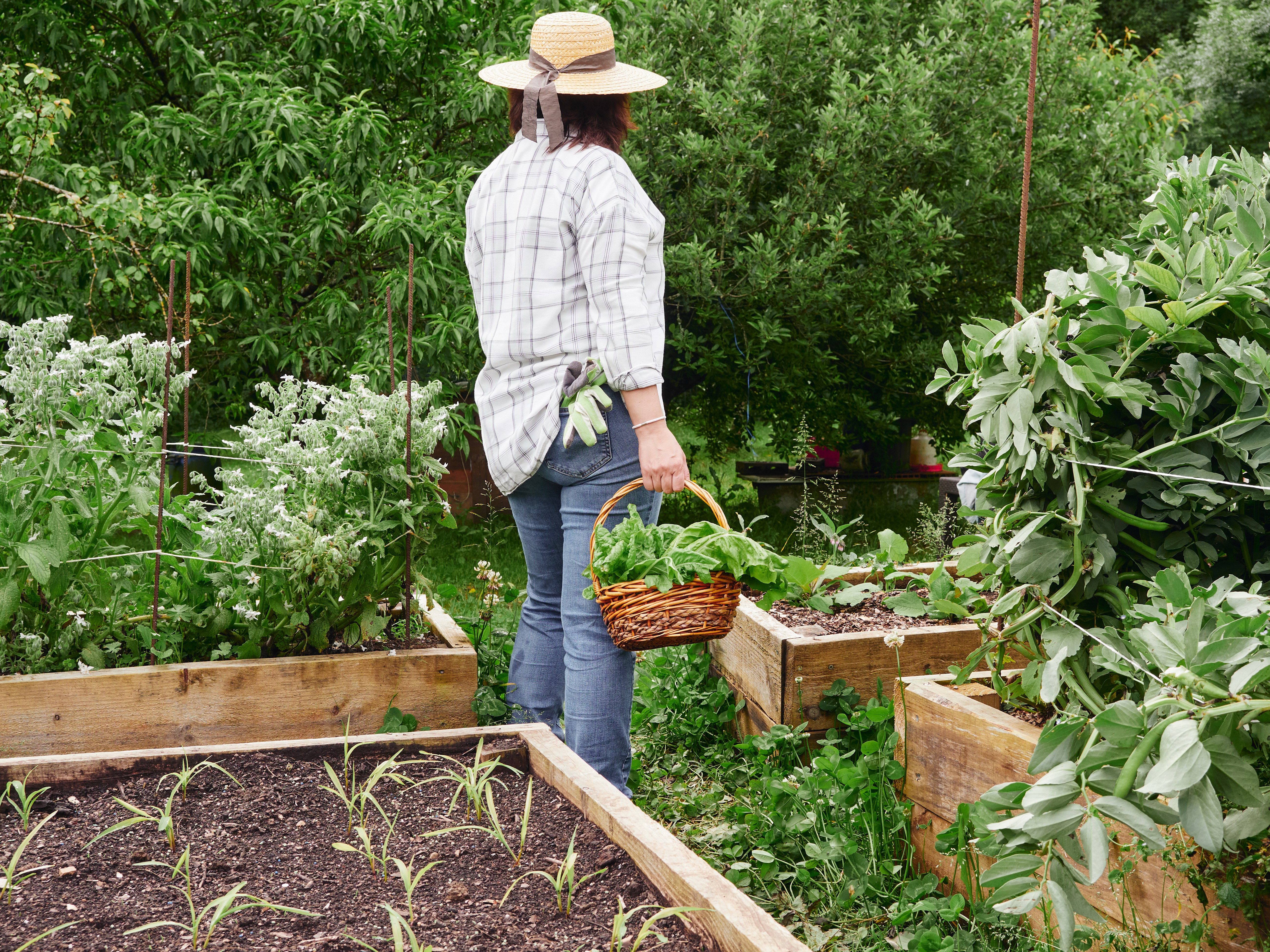
Why Choose Raised Beds for Vegetable Gardening?
Before diving into the vegetable list, here are a few reasons raised beds are so popular:
Improved Drainage and Soil Quality:
Raised beds warm up faster in the spring, drain more efficiently, and allow you to control the soil mix, ensuring your vegetables get the right nutrients.Weed and Pest Control:
Defined borders make weeding easier and reduce pests. Companion planting helps too—see companion plants for tomatoes for ideas.Better Accessibility:
The elevated design reduces the need to bend over, making gardening more comfortable for gardeners of all ages.Efficient Use of Space:
Raised beds allow you to plant more densely and organize your garden in creative ways, maximizing your yield in limited space. For layout inspiration, see maximize your garden space
Now, let’s explore the top 15 vegetables that thrive in raised beds.
1. Tomatoes
Why They Thrive:
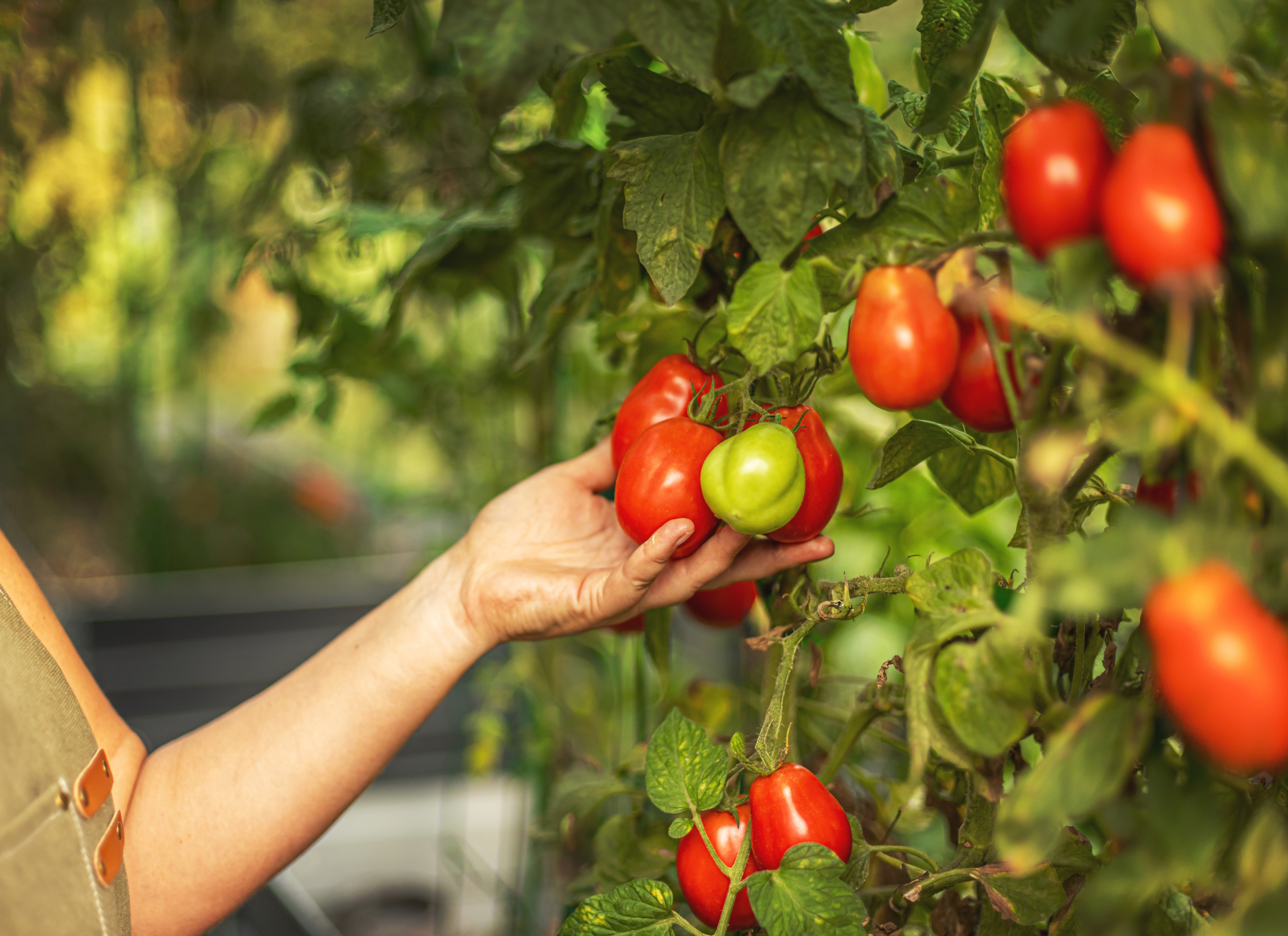
Tomatoes love the warm, well-drained soil that raised beds provide. Choose determinate varieties for compact growth or indeterminate types if you have ample vertical support.
Tip:
Use a trellis or cage to support indeterminate varieties and ensure proper airflow to reduce disease.
If you’re starting from seed, here’s the best way to start tomato seeds for strong early growth.
2. Peppers
Why They Thrive:
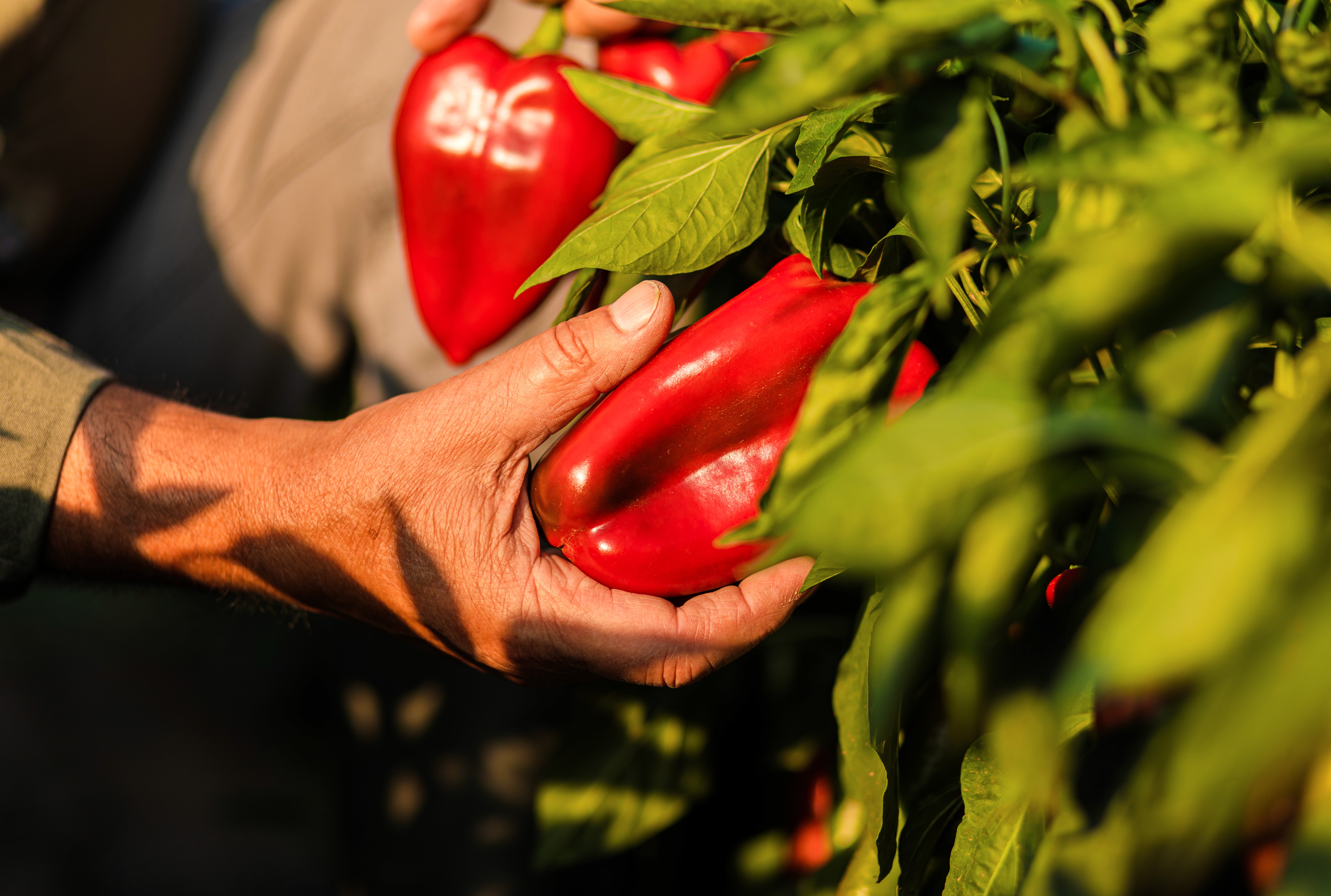
Peppers, including both bell and hot varieties, benefit from the rich, warm soil of raised beds. Their shallow roots flourish in nutrient-dense environments.
Tip:
Plant peppers with a little space between them to promote good air circulation and avoid fungal issues.
If you’ve ever struggled with peppers, check out pepper growing mistakes—raised beds can exaggerate these issues.
3. Lettuce
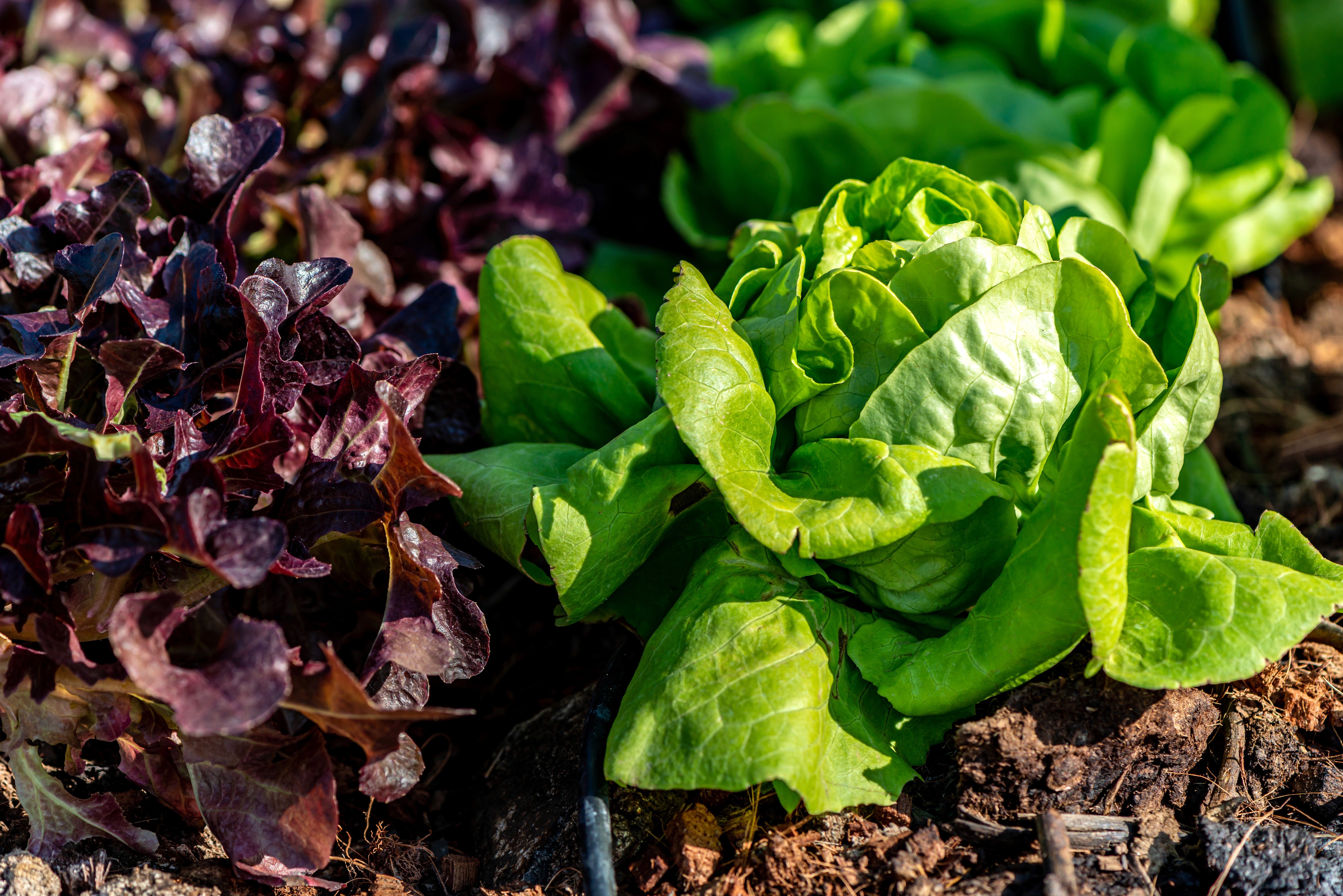
Why They Thrive:
Lettuce and other leafy greens do well in the loose, well-drained soil of raised beds, making them quick and easy to harvest.
Tip:
Interplant with taller vegetables to create natural shade for varieties that bolt in the heat.
Lettuce also grows beautifully in container gardening if you're short on space.
4. Spinach
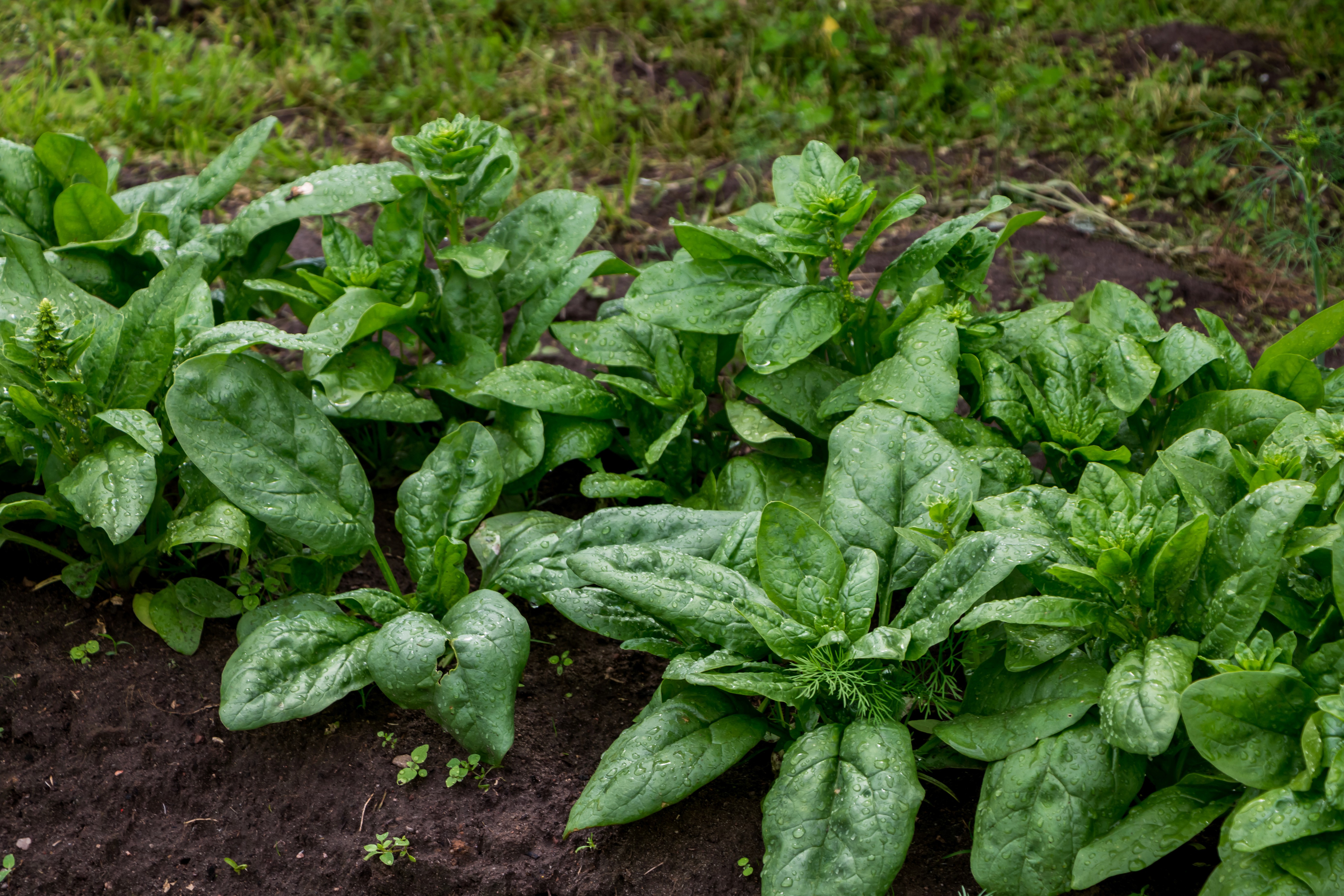
Why They Thrive:
Spinach grows rapidly in cooler temperatures and benefits from the controlled soil environment provided by raised beds.
Tip:
Plant in early spring or late summer for best results, as spinach can become bitter in hot weather.
5. Carrots
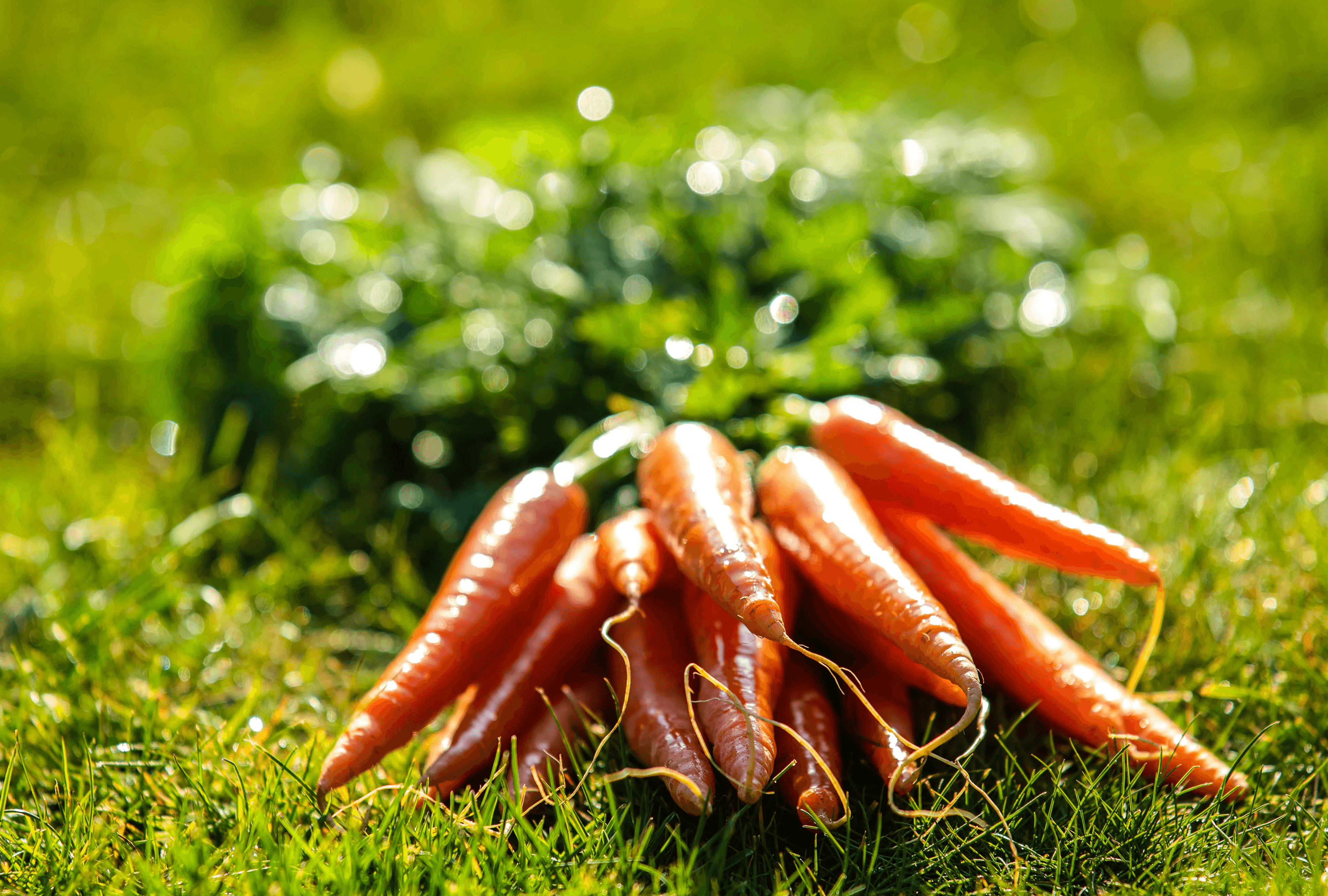
Why They Thrive:
Carrots require deep, loose soil to develop long, straight roots. Raised beds provide the perfect environment for these root vegetables by eliminating compaction.
Tip:
Choose shorter varieties if your raised bed isn’t very deep, and remove any rocks or clumps from the soil before planting.
6. Radishes
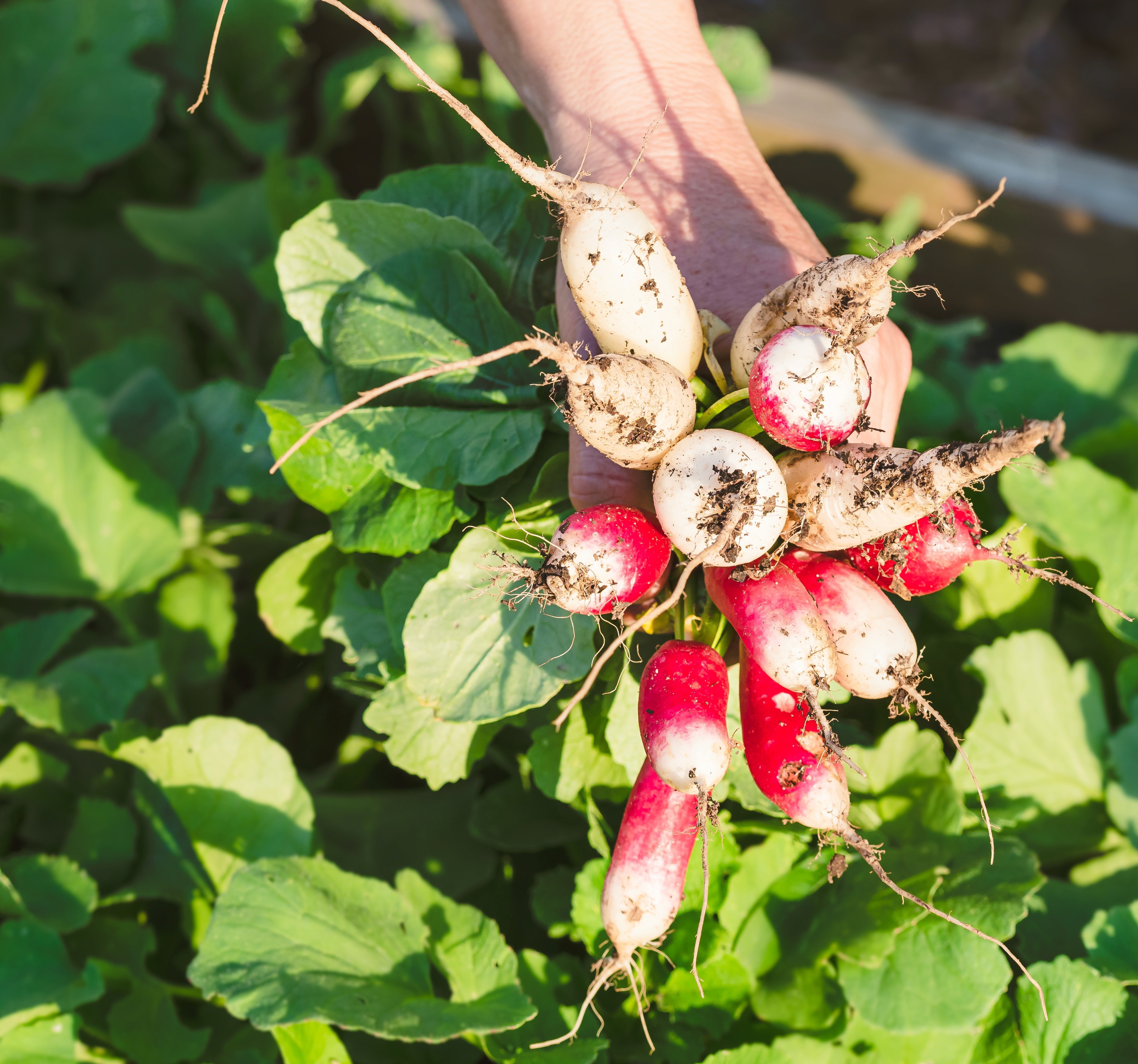
Why They Thrive:
Radishes grow quickly and can be harvested in as little as 3–4 weeks. The loose soil of raised beds allows them to develop unimpeded by compacted ground.
Tip:
Sow radishes in clusters and thin them to proper spacing to prevent overcrowding and stunted growth.
7. Beets
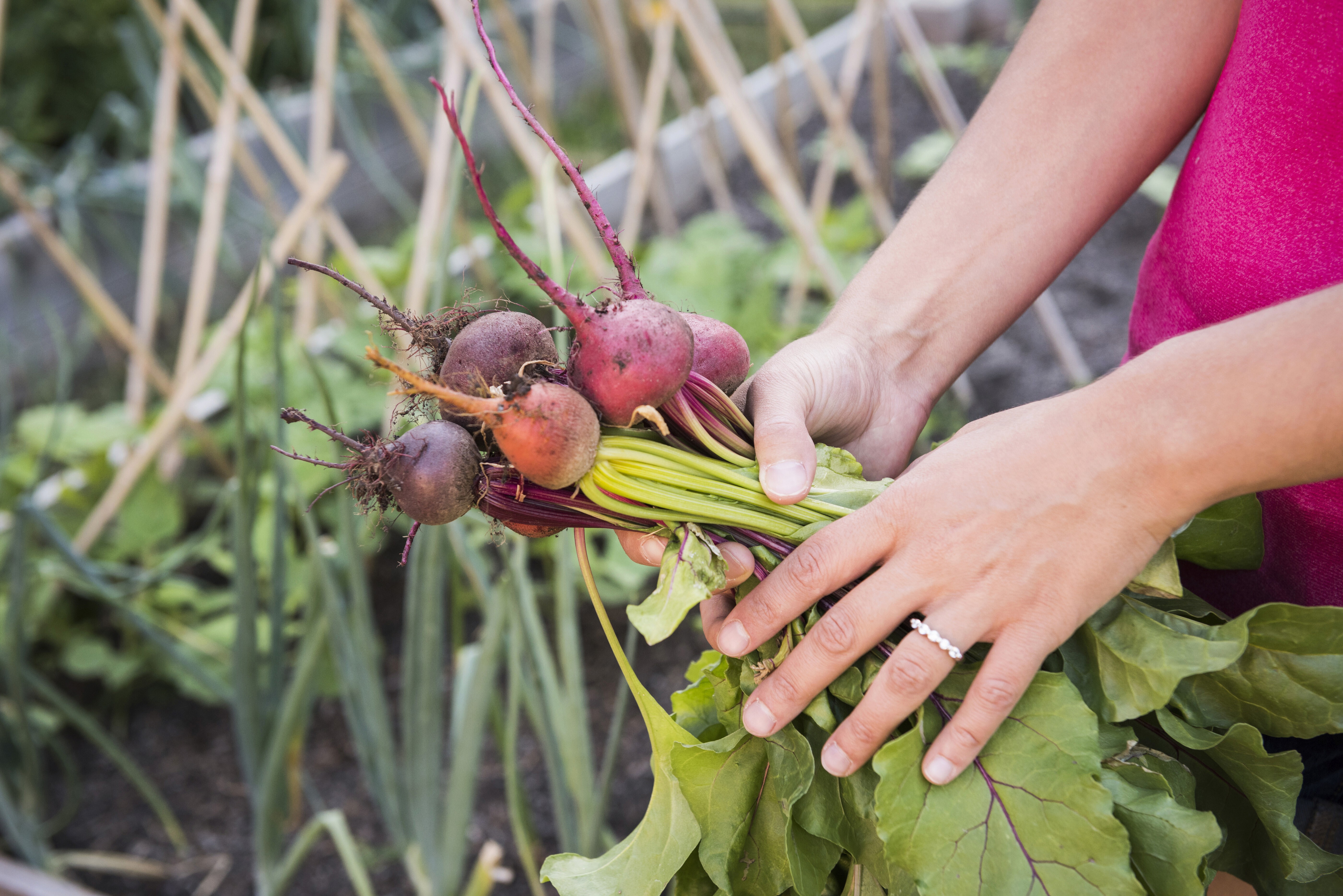
Why They Thrive:
Beets, both for their roots and leafy greens, perform best in well-drained, fertile soil. Raised beds let you tailor the soil mix to suit these dual-purpose veggies.
Tip:
Thin seedlings to allow enough room for the bulbs to expand fully without competition.
8. Bush Beans
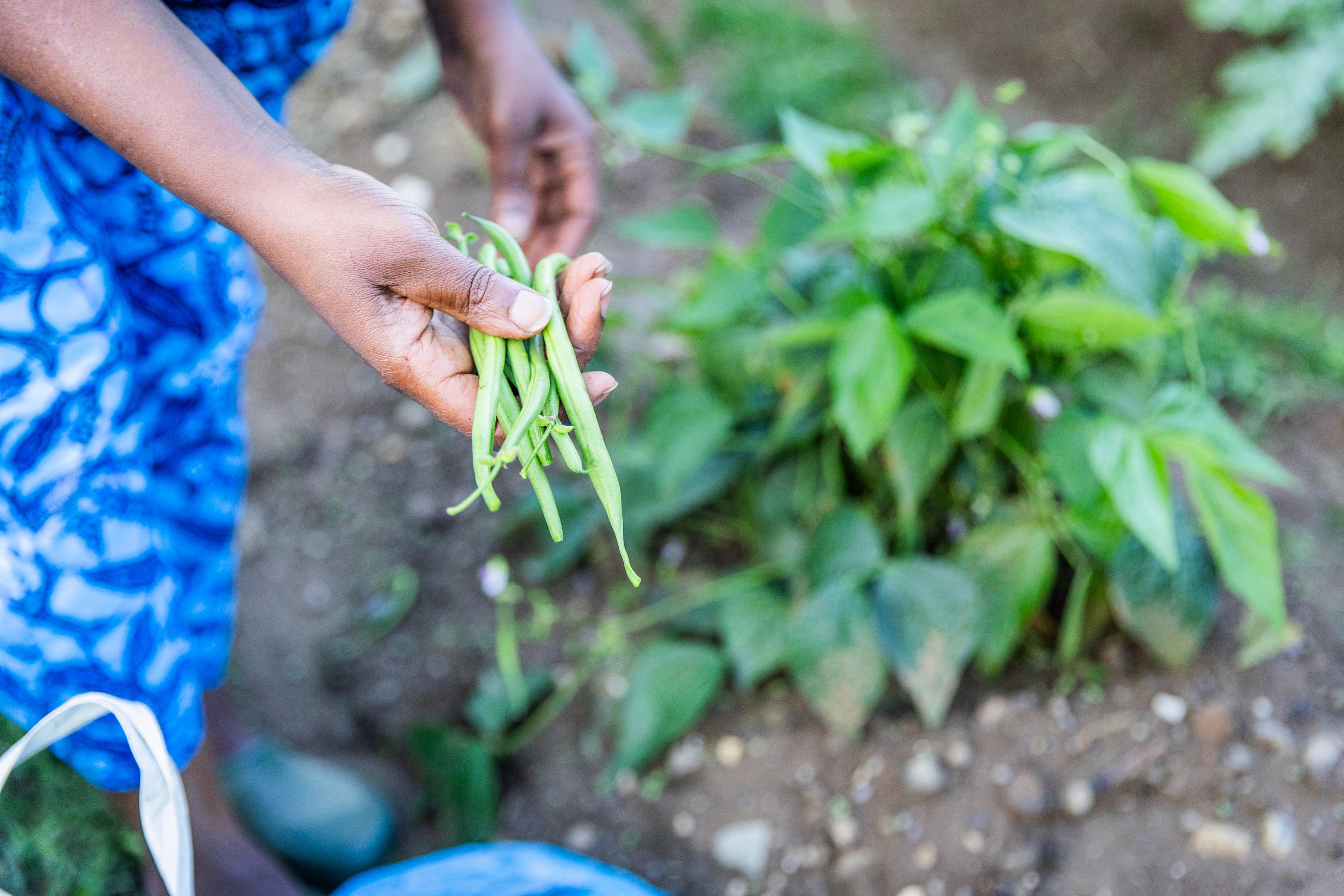
Why They Thrive:
Bush beans are compact, productive, and ideal for raised beds. They don’t require extensive trellising, making them perfect for small spaces.
Tip:
Plant beans in groups and provide a light support if needed; harvesting regularly encourages continuous production.
9. Cucumbers
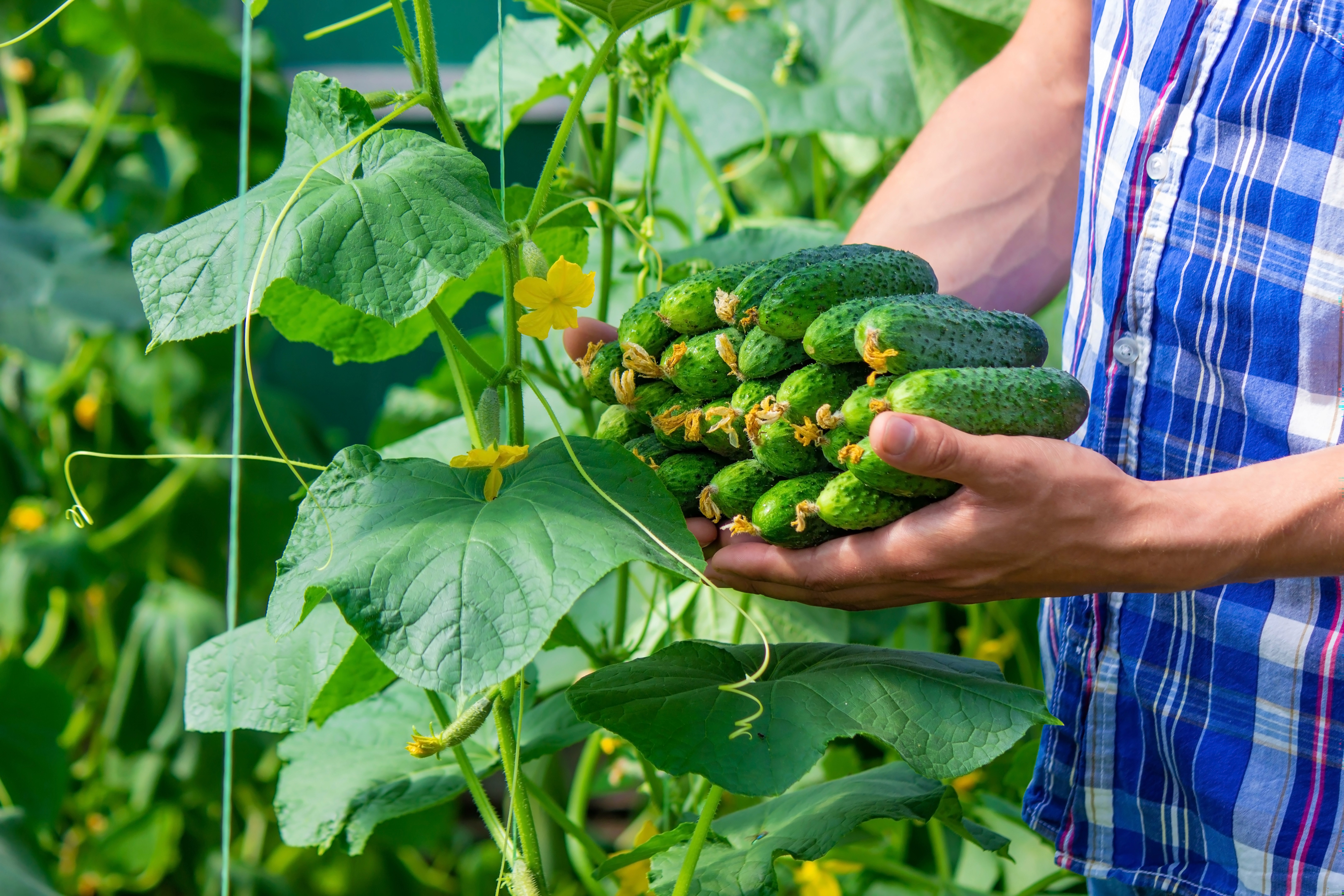
Why They Thrive:
Cucumbers benefit from the warm soil and high drainage levels found in raised beds. They can be grown in a contained space if trellised to maximize vertical growth.
Tip:
Trellis cucumber vines to keep the fruit off the ground, reducing the risk of rot and pests.
10. Zucchini
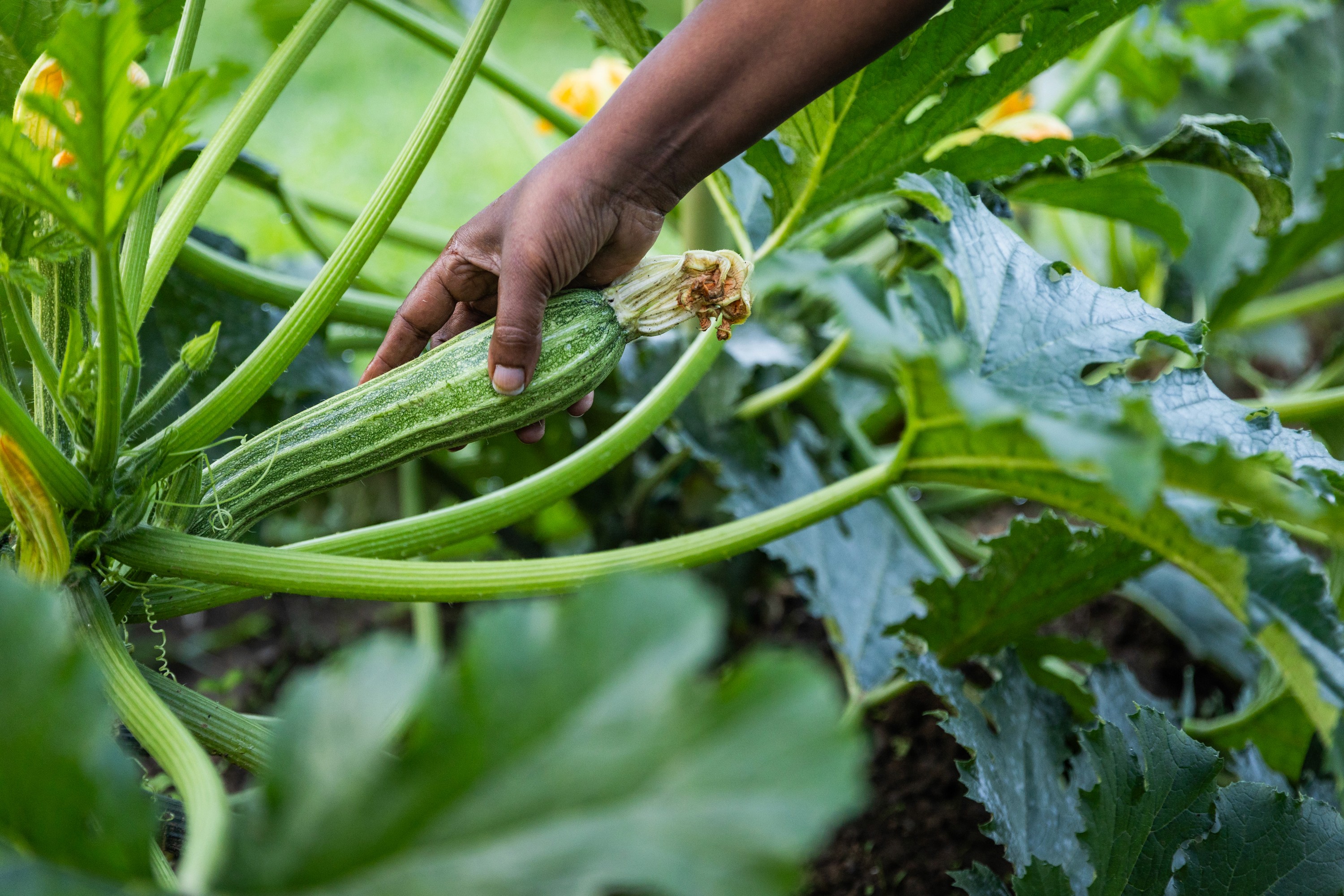
Why They Thrive:
Zucchini plants flourish in the rich, well-drained soil of raised beds. Their sprawling growth can be managed with proper spacing and regular harvesting.
Tip:
Plant one or two per raised bed if space is limited, and consider a vertical growing system if you’re short on room.
11. Eggplant
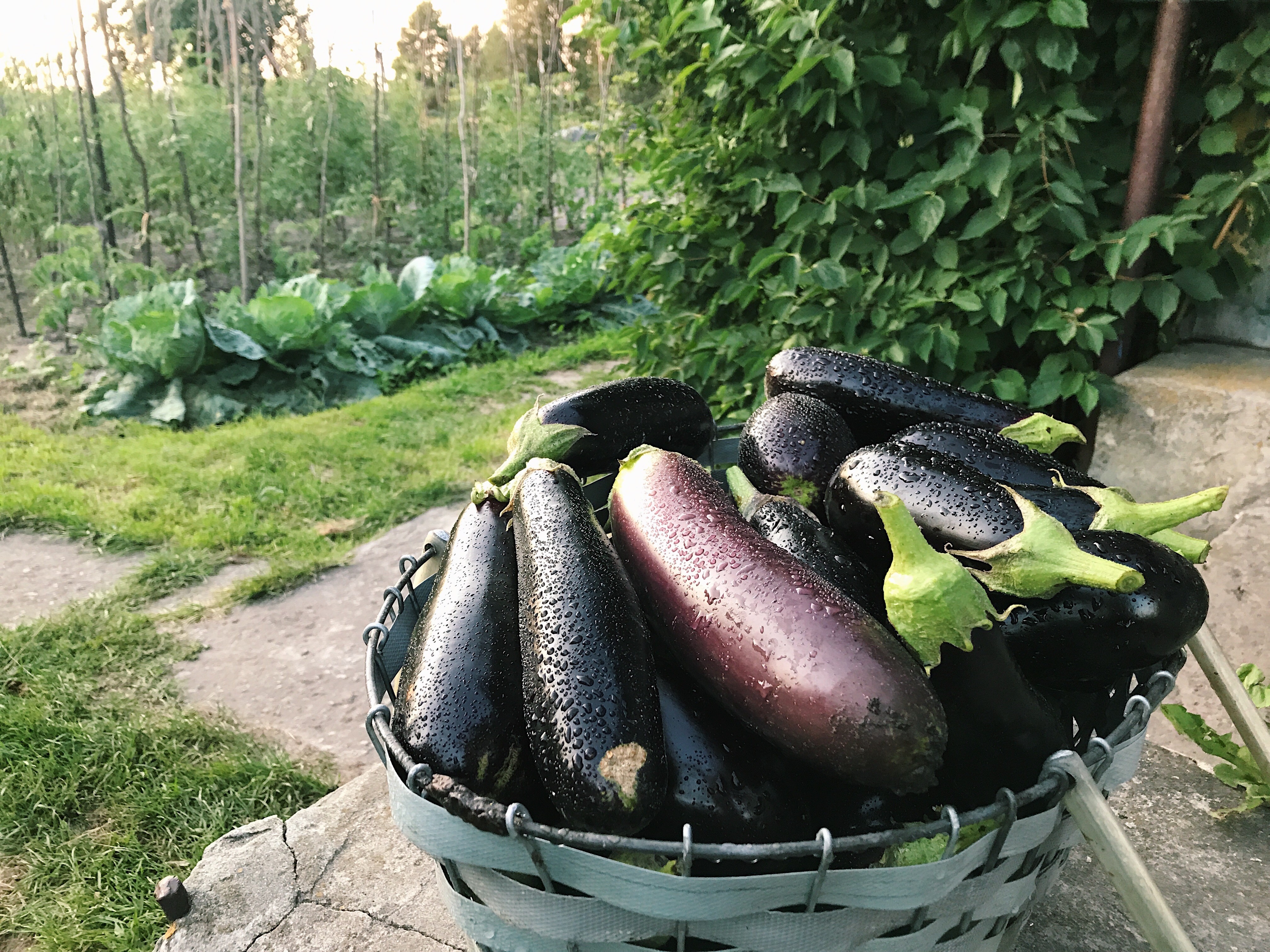
Why They Thrive:
Eggplant thrives in warm conditions and benefits from the enhanced soil quality of raised beds. Their deep roots and lush foliage need the nutrient-rich environment that you can control.
Tip:
Stake eggplant plants to support heavy fruit and promote better air circulation.
12. Broccoli
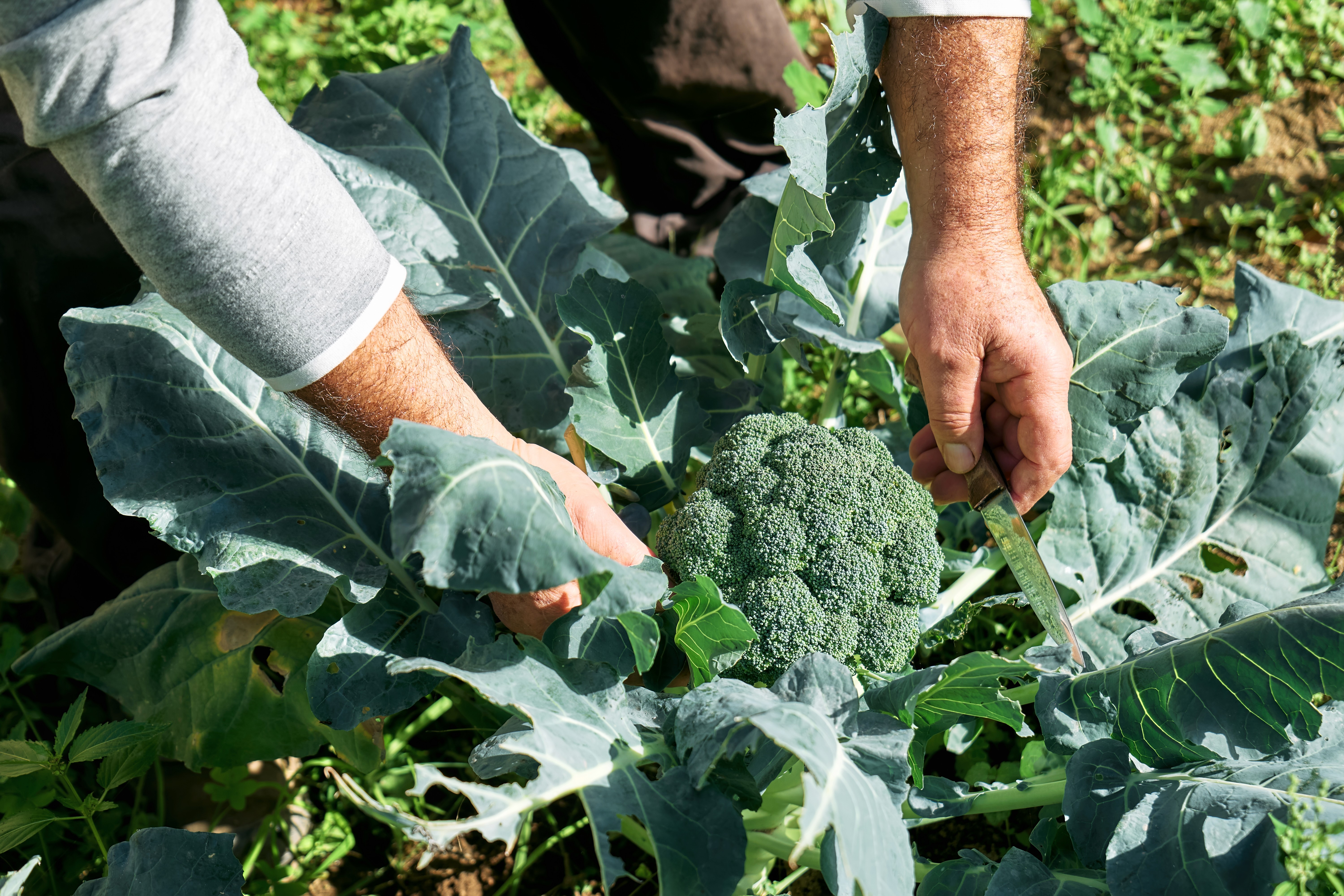
Why They Thrive:
Broccoli and other brassicas appreciate the controlled environment of raised beds, where you can adjust the soil pH and fertility for optimal growth.
Tip:
Plant broccoli in early spring or late summer to avoid extreme temperatures that can lead to bolting.
13. Swiss Chard
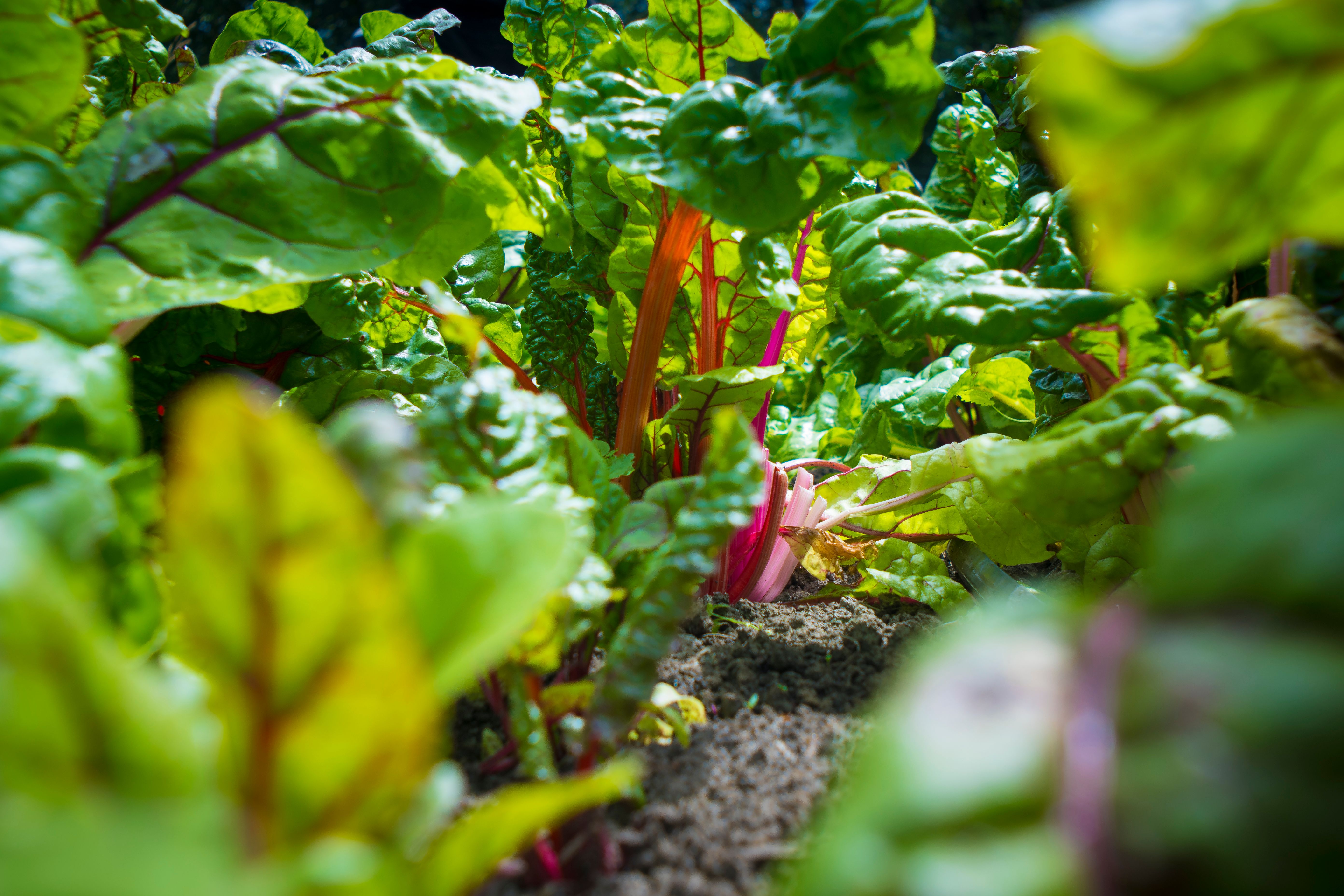
Why They Thrive:
Swiss chard is a versatile leafy vegetable that performs well in raised beds. Its tolerance for heat and cold makes it ideal for continuous harvesting.
Tip:
Harvest the outer leaves regularly to encourage new growth and keep the plant productive.
14. Kale
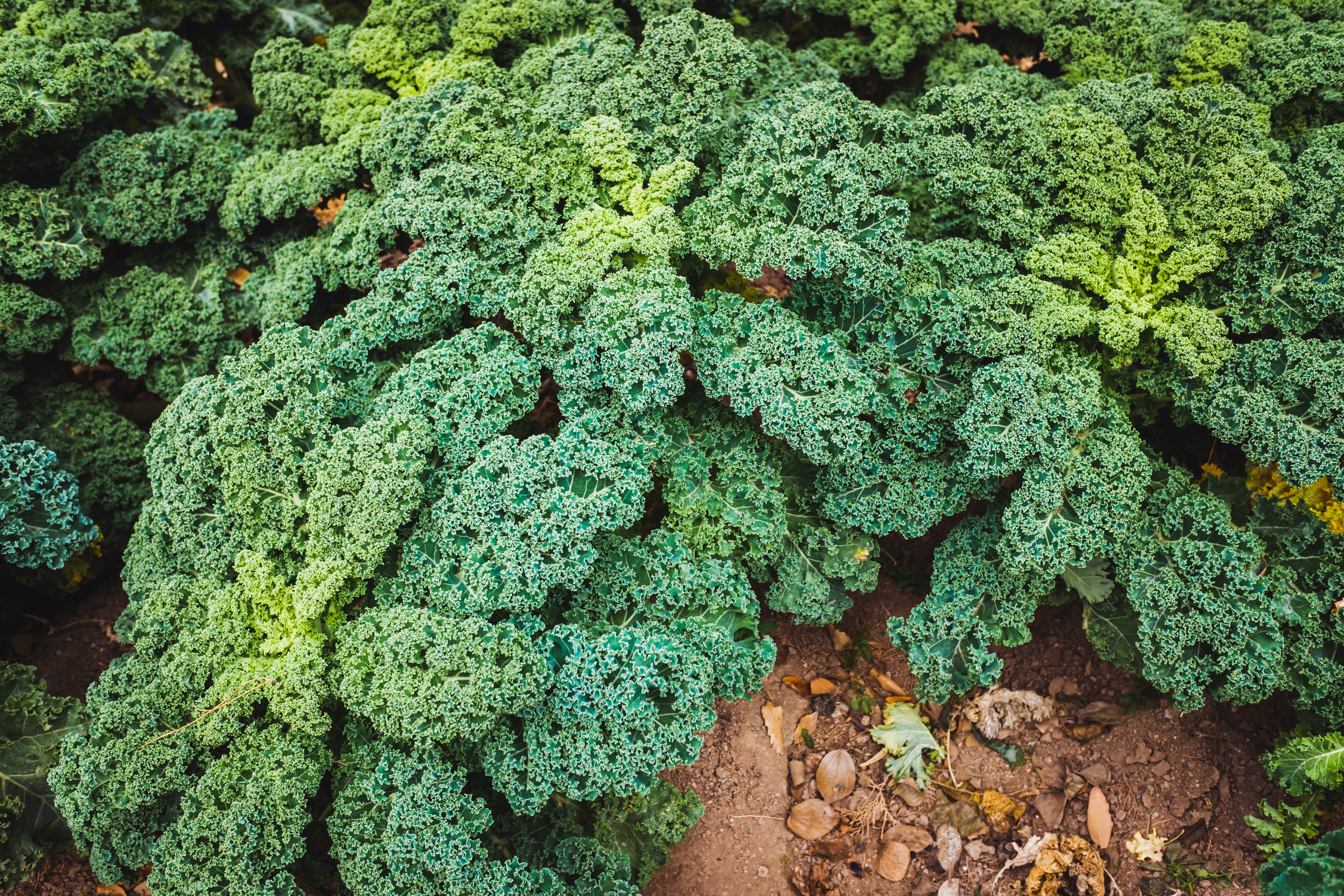
Why They Thrive:
Kale is a hearty green that benefits from the consistent soil moisture and nutrient density of raised beds. It’s perfect for cooler climates and can even handle a light frost.
Tip:
Plant kale in full sun or partial shade and harvest frequently to prevent it from becoming bitter.
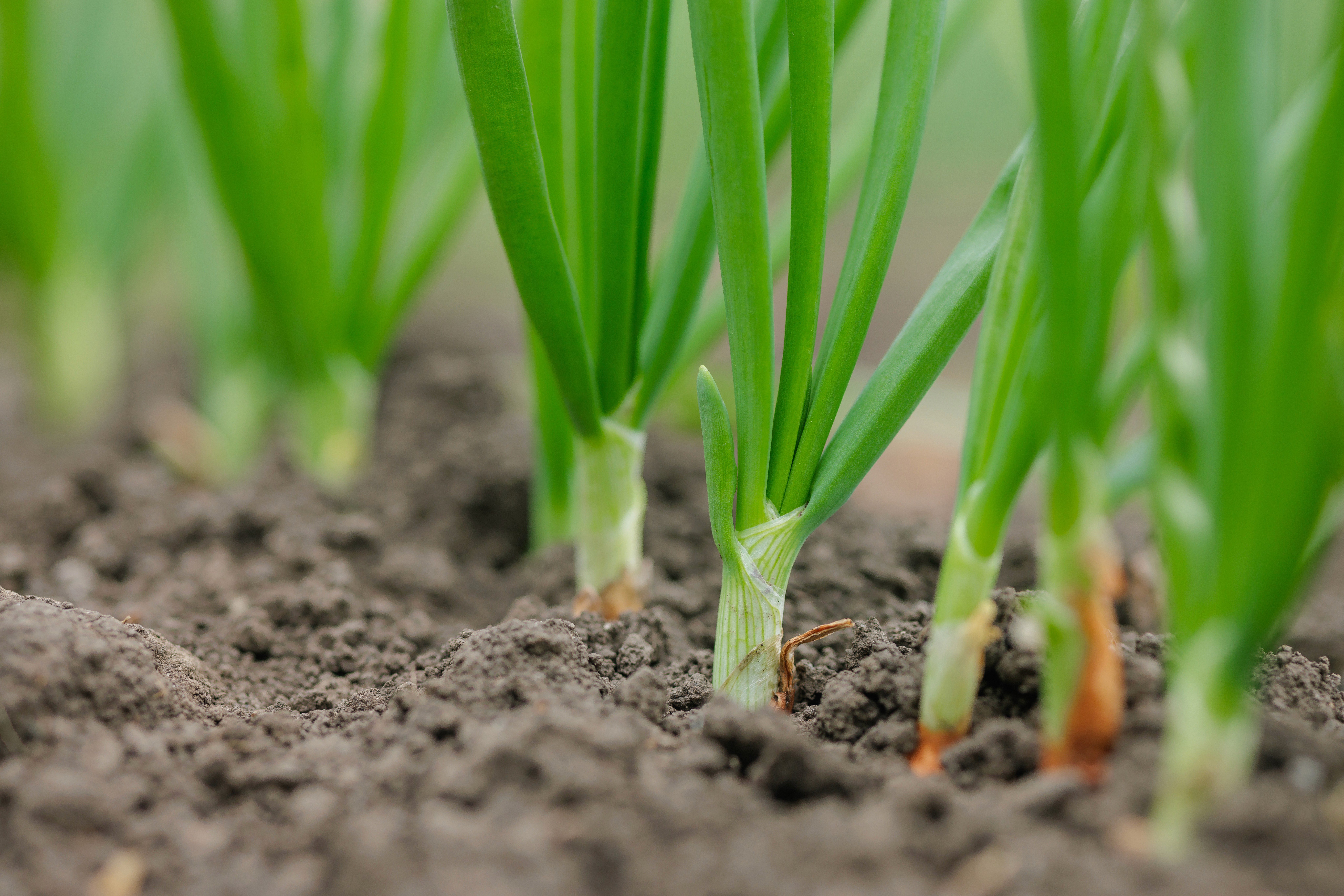
15. Onions (Green Onions/Bunching Onions)
Why They Thrive:
Onions, particularly green or bunching onions, are well-suited to the well-drained, loose soil of raised beds. They require minimal space and provide a continuous harvest throughout the growing season.
Tip:
Sow onions in succession every few weeks to enjoy a steady supply from your raised bed garden.
Final Thoughts
Raised beds offer an exceptional environment for growing a wide variety of vegetables. With improved drainage, better soil quality, and ease of maintenance, they provide the ideal conditions for both novice and experienced gardeners. The 15 vegetables listed above are not only delicious and nutritious—they’re also well-suited to the raised bed system, ensuring you get the most out of your garden space.
Raised beds provide the ideal environment for a wide range of vegetables. If you want your raised beds to be productive year after year, don’t forget to read:
And if you’re planning tomatoes or peppers, these guides will help maximize your raised bed yields:
Have you tried growing any of these vegetables in raised beds? What are your favorite tips or varieties? Share your experiences in the comments below, and let’s continue to cultivate a community of thriving, productive gardens.
Happy gardening, and here’s to a bountiful harvest!
Raised bed gardening is a game-changer for vegetable growers. It offers improved drainage, enhanced soil quality, and easier maintenance, making it an ideal choice for gardeners of all levels. If you’re looking to maximize your vegetable harvest while minimizing back-breaking labor, raised beds might be your best friend. In this post, we’ll explore the 15 best vegetables to grow in raised beds, complete with tips on how to get the most out of your garden.
If you’re new to raised beds, you may also want to read my post on 7 raised bed garden mistakes to avoid common beginner pitfalls.
Why Choose Raised Beds for Vegetable Gardening?
Before diving into the vegetable list, here are a few reasons raised beds are so popular:
Improved Drainage and Soil Quality:
Raised beds warm up faster in the spring, drain more efficiently, and allow you to control the soil mix, ensuring your vegetables get the right nutrients.Weed and Pest Control:
Defined borders make weeding easier and reduce pests. Companion planting helps too—see companion plants for tomatoes for ideas.Better Accessibility:
The elevated design reduces the need to bend over, making gardening more comfortable for gardeners of all ages.Efficient Use of Space:
Raised beds allow you to plant more densely and organize your garden in creative ways, maximizing your yield in limited space. For layout inspiration, see maximize your garden space
Now, let’s explore the top 15 vegetables that thrive in raised beds.
1. Tomatoes
Why They Thrive:
Tomatoes love the warm, well-drained soil that raised beds provide. Choose determinate varieties for compact growth or indeterminate types if you have ample vertical support.
Tip:
Use a trellis or cage to support indeterminate varieties and ensure proper airflow to reduce disease.
If you’re starting from seed, here’s the best way to start tomato seeds for strong early growth.
2. Peppers
Why They Thrive:
Peppers, including both bell and hot varieties, benefit from the rich, warm soil of raised beds. Their shallow roots flourish in nutrient-dense environments.
Tip:
Plant peppers with a little space between them to promote good air circulation and avoid fungal issues.
If you’ve ever struggled with peppers, check out pepper growing mistakes—raised beds can exaggerate these issues.
3. Lettuce
Why They Thrive:
Lettuce and other leafy greens do well in the loose, well-drained soil of raised beds, making them quick and easy to harvest.
Tip:
Interplant with taller vegetables to create natural shade for varieties that bolt in the heat.
Lettuce also grows beautifully in container gardening if you're short on space.
4. Spinach
Why They Thrive:
Spinach grows rapidly in cooler temperatures and benefits from the controlled soil environment provided by raised beds.
Tip:
Plant in early spring or late summer for best results, as spinach can become bitter in hot weather.
5. Carrots
Why They Thrive:
Carrots require deep, loose soil to develop long, straight roots. Raised beds provide the perfect environment for these root vegetables by eliminating compaction.
Tip:
Choose shorter varieties if your raised bed isn’t very deep, and remove any rocks or clumps from the soil before planting.
6. Radishes
Why They Thrive:
Radishes grow quickly and can be harvested in as little as 3–4 weeks. The loose soil of raised beds allows them to develop unimpeded by compacted ground.
Tip:
Sow radishes in clusters and thin them to proper spacing to prevent overcrowding and stunted growth.
7. Beets
Why They Thrive:
Beets, both for their roots and leafy greens, perform best in well-drained, fertile soil. Raised beds let you tailor the soil mix to suit these dual-purpose veggies.
Tip:
Thin seedlings to allow enough room for the bulbs to expand fully without competition.
8. Bush Beans
Why They Thrive:
Bush beans are compact, productive, and ideal for raised beds. They don’t require extensive trellising, making them perfect for small spaces.
Tip:
Plant beans in groups and provide a light support if needed; harvesting regularly encourages continuous production.
9. Cucumbers
Why They Thrive:
Cucumbers benefit from the warm soil and high drainage levels found in raised beds. They can be grown in a contained space if trellised to maximize vertical growth.
Tip:
Trellis cucumber vines to keep the fruit off the ground, reducing the risk of rot and pests.
10. Zucchini
Why They Thrive:
Zucchini plants flourish in the rich, well-drained soil of raised beds. Their sprawling growth can be managed with proper spacing and regular harvesting.
Tip:
Plant one or two per raised bed if space is limited, and consider a vertical growing system if you’re short on room.
11. Eggplant
Why They Thrive:
Eggplant thrives in warm conditions and benefits from the enhanced soil quality of raised beds. Their deep roots and lush foliage need the nutrient-rich environment that you can control.
Tip:
Stake eggplant plants to support heavy fruit and promote better air circulation.
12. Broccoli
Why They Thrive:
Broccoli and other brassicas appreciate the controlled environment of raised beds, where you can adjust the soil pH and fertility for optimal growth.
Tip:
Plant broccoli in early spring or late summer to avoid extreme temperatures that can lead to bolting.
13. Swiss Chard
Why They Thrive:
Swiss chard is a versatile leafy vegetable that performs well in raised beds. Its tolerance for heat and cold makes it ideal for continuous harvesting.
Tip:
Harvest the outer leaves regularly to encourage new growth and keep the plant productive.
14. Kale
Why They Thrive:
Kale is a hearty green that benefits from the consistent soil moisture and nutrient density of raised beds. It’s perfect for cooler climates and can even handle a light frost.
Tip:
Plant kale in full sun or partial shade and harvest frequently to prevent it from becoming bitter.
15. Onions (Green Onions/Bunching Onions)
Why They Thrive:
Onions, particularly green or bunching onions, are well-suited to the well-drained, loose soil of raised beds. They require minimal space and provide a continuous harvest throughout the growing season.
Tip:
Sow onions in succession every few weeks to enjoy a steady supply from your raised bed garden.
Final Thoughts
Raised beds offer an exceptional environment for growing a wide variety of vegetables. With improved drainage, better soil quality, and ease of maintenance, they provide the ideal conditions for both novice and experienced gardeners. The 15 vegetables listed above are not only delicious and nutritious—they’re also well-suited to the raised bed system, ensuring you get the most out of your garden space.
Raised beds provide the ideal environment for a wide range of vegetables. If you want your raised beds to be productive year after year, don’t forget to read:
And if you’re planning tomatoes or peppers, these guides will help maximize your raised bed yields:
Have you tried growing any of these vegetables in raised beds? What are your favorite tips or varieties? Share your experiences in the comments below, and let’s continue to cultivate a community of thriving, productive gardens.
Happy gardening, and here’s to a bountiful harvest!
Free Weekly Garden Tips
Join my free newsletter to receive weekly garden insights + things I think you'll find interesting!
Free Weekly Garden Tips
Join my free newsletter to receive weekly garden insights + things I think you'll find interesting!
Free Weekly Garden Tips
Join my free newsletter to receive weekly garden insights + things I think you'll find interesting!
Let's grow your dream garden.

Subscribe
Join our newsletter to stay up to date on everything happening!
By subscribing you agree to our Privacy Policy and provide consent to receive updates from our company.
Let's grow your dream garden.
Subscribe
Join our newsletter to stay up to date on everything happening!
By subscribing you agree to our Privacy Policy and provide consent to receive updates from our company.
Let's grow your dream garden.
Subscribe
Join our newsletter to stay up to date on everything happening!
By subscribing you agree to our Privacy Policy and provide consent to receive updates from our company.