Pepper Growing Mistakes - A Comprehensive Guide
Pepper Growing Mistakes - A Comprehensive Guide
Feb 21, 2025

A Comprehensive Guide to Avoiding Common Pepper Growing Mistakes
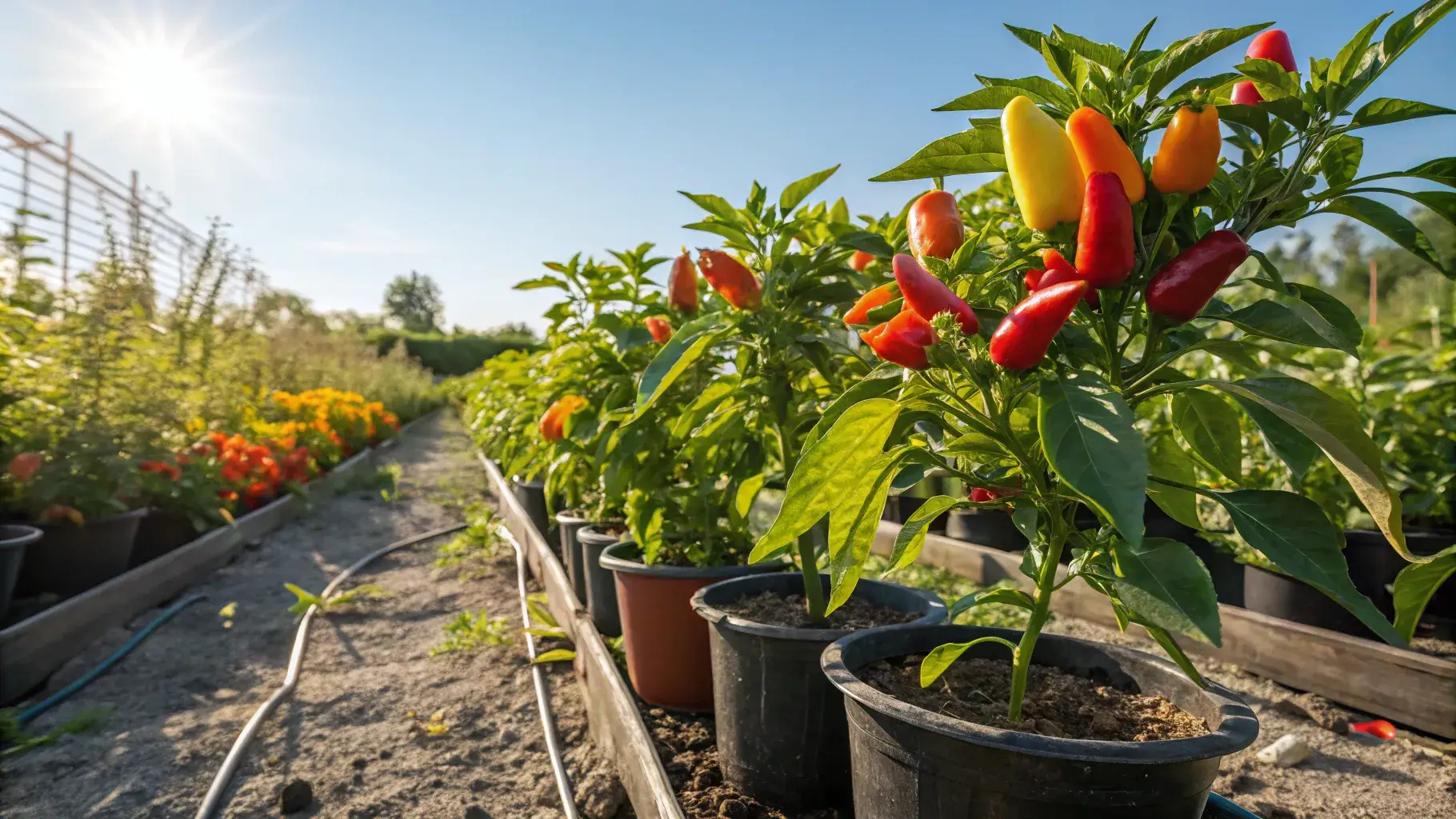
Growing peppers can be a rewarding experience, but many gardeners make mistakes that hinder their success. This guide outlines the top ten mistakes and provides solutions to help you grow healthy, abundant pepper plants.
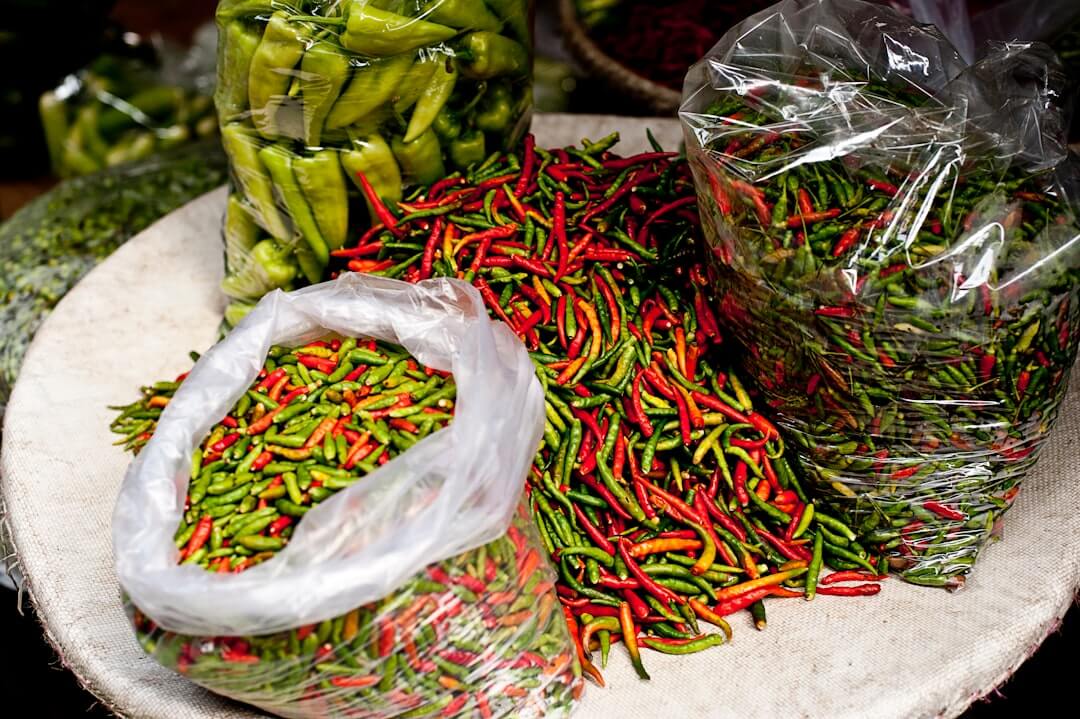
1. Planting Too Early
One of the most common mistakes is planting peppers too early in the season. Peppers are sensitive to cold and will not thrive if exposed to low temperatures. To ensure healthy growth, wait until nighttime temperatures are consistently in the upper 50s to low 60s before transplanting seedlings outdoors.
Before planting any warm-season crop, make sure you understand your frost date. Our Free Garden Guide will help you with planting dates based on your zip code.
If you're starting seeds indoors, monitor the temperatures carefully. Sometimes, it’s better to keep them in larger containers indoors until the weather warms up sufficiently.
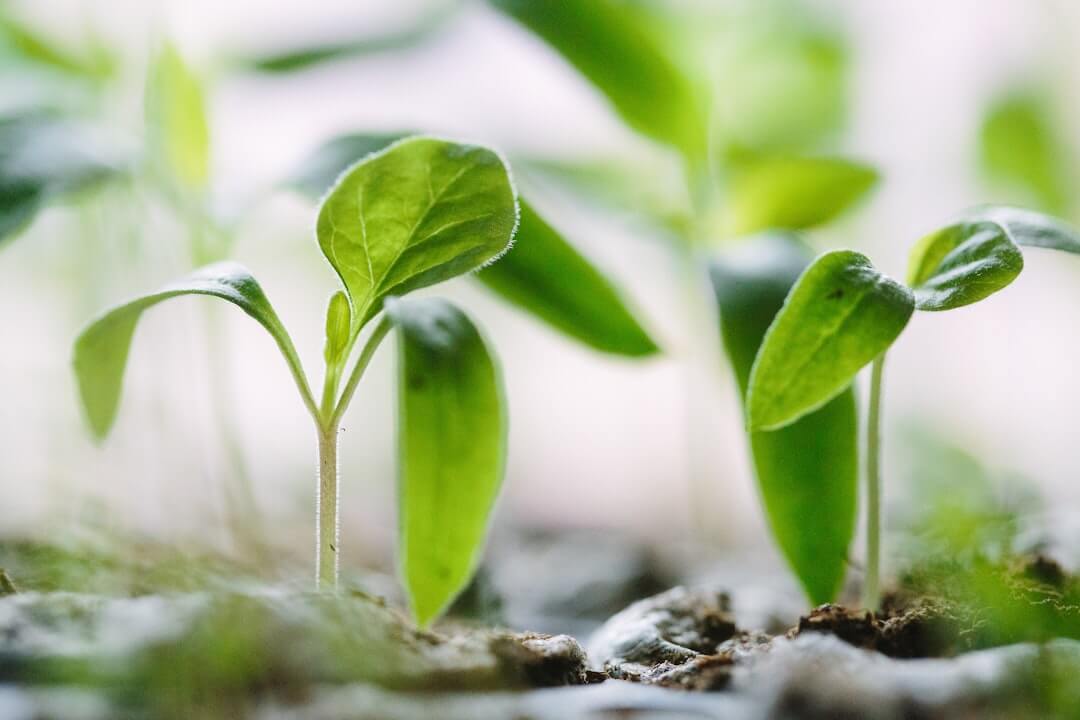
Photo by Francesco Gallarotti on Unsplash
2. Not Enough or Too Much Sun
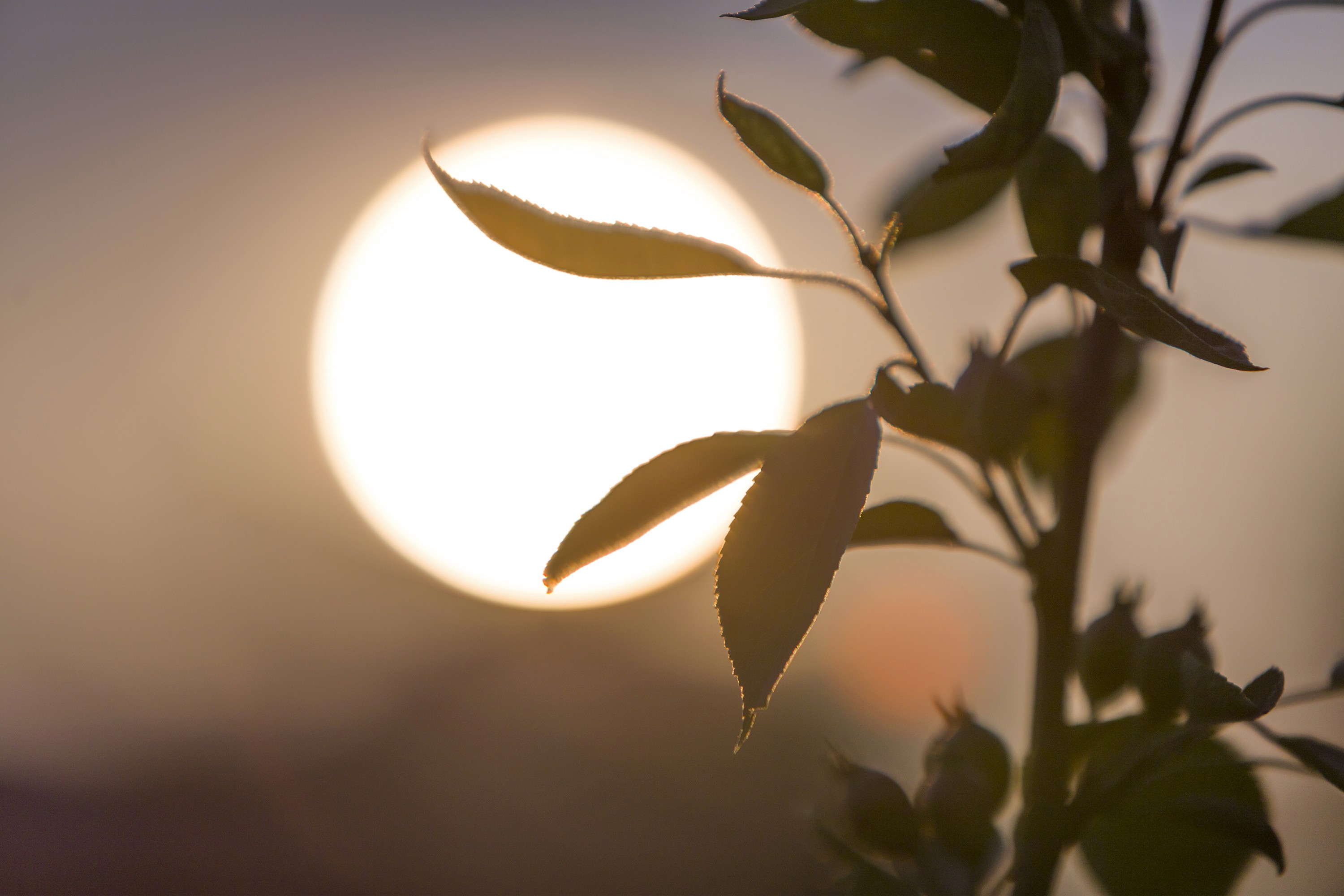
Peppers require around six to eight hours of sunlight daily. Insufficient sunlight can lead to stunted growth and poor fruit production. Conversely, too much sun, especially in the afternoon, can cause sun scald, leading to inedible spots on the fruit.
For optimal growth, provide morning and midday sun while ensuring some afternoon shade. If your garden receives excessive sunlight, consider using shade cloth or companion plants to protect your peppers.
3. Improper Spacing
Spacing is crucial for healthy pepper plants. Ideal spacing is 18 inches apart to allow for adequate airflow and nutrient access. Overcrowding can lead to competition for resources, resulting in poor growth.
If you plan to save seeds, be aware that cross-pollination can occur. To prevent this, space different varieties at least 400 feet apart.
If you're planning out a raised bed layout, read Maximize Your Garden Space for strategic spacing ideas that also apply to peppers.
4. Improper Watering
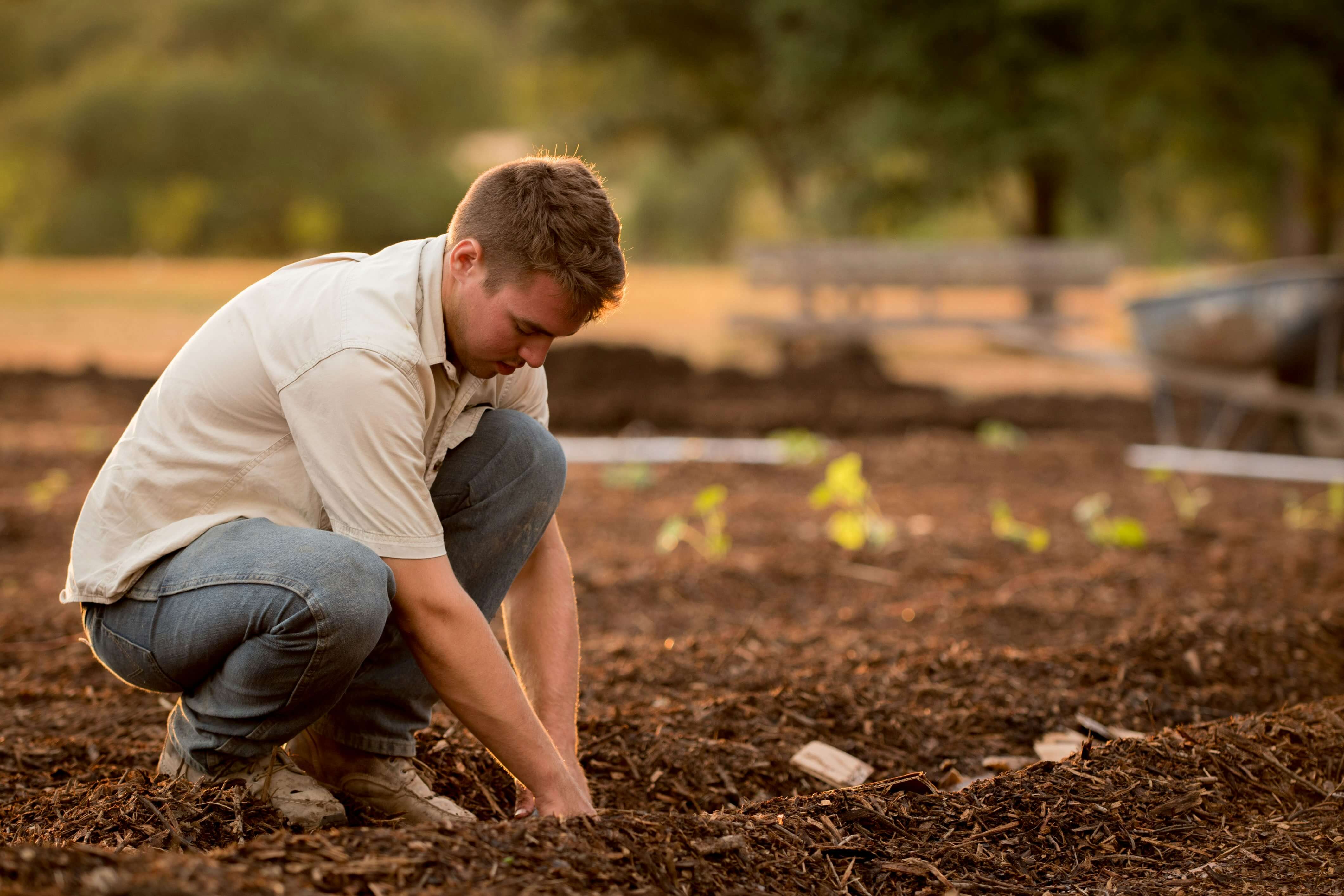
Watering practices significantly impact pepper health. Like tomatoes, peppers should be watered from below to avoid introducing soil-borne diseases to the leaves. Consistent watering is essential to prevent blossom end rot.
Drip irrigation is ideal, but if you're watering manually, ensure the soil is consistently moist without splashing water on the foliage.
If you’re growing peppers in pots, make sure you check out container gardening for proper watering techniques.

Photo by ifer endahl on Unsplash
5. Using the Wrong Fertilizer
Peppers are sensitive to nitrogen; too much can lead to excessive foliage growth at the expense of fruit. Use fertilizers low in nitrogen but high in phosphorus to promote root and fruit development.
At planting time, consider using kelp meal or low-nitrogen fertilizers. As the season progresses, you can apply a balanced fertilizer with a higher middle number for continued growth.
If you're unsure which fertilizers are best, here’s a full guide on organic fertilizers to help you choose the right balance.
6. Not Pruning
Pruning can enhance pepper production by promoting bushier growth and more flowering points. If you don’t prune, the plant may become top-heavy and susceptible to damage.
To prune, simply pinch off the top of the plant when it is about eight inches tall, leaving several leaves intact. This encourages the plant to grow more branches and increases fruit yield.

7. Not Staking
As peppers grow, they can become top-heavy, especially if not pruned. Staking helps support the plants and prevents them from falling over. A simple bamboo stake and some ties can provide adequate support.
8. Not Continually Harvesting
Regular harvesting encourages pepper plants to produce more fruit. If peppers are left on the plant, it may signal that the plant has completed its cycle. Make it a habit to check your plants frequently and harvest ripe peppers.

9. Not Keeping on Top of Pest Control
Pests can affect pepper plants, although they are generally less susceptible than tomatoes. Leaf miners, aphids, and whiteflies are common culprits. Regular monitoring and treatment with neem oil can keep these pests at bay.
Consider using a diluted solution of uncoated aspirin to boost the plant's immune response against pests and diseases. Mix 600 mg of aspirin in water and spray the solution every two weeks.
Peppers are in the nightshade family like tomatoes. You can prevent disease on your peppers by using the tips in Boost Your Tomato Plants with Aspirin.
Photo by Fidel Fernando on Unsplash
10. Not Overwintering
Peppers can be perennial in milder climates. Instead of starting from seed every year, consider overwintering your plants. In colder regions, you can trim them back and bring them indoors or provide protection against frost.
By doing this, your plants will be ready to produce fruit earlier in the season compared to seedlings.
Conclusion
By avoiding these common mistakes, you can enjoy a bountiful harvest of peppers. Remember to pay attention to planting times, sunlight, spacing, watering practices, and pest control. With a little care and attention, your pepper plants can thrive and produce delicious fruits.
For more warm-season success, here are helpful next steps:
For more gardening tips and support, consider joining an online gardening community. Happy growing!
Video Guide
A Comprehensive Guide to Avoiding Common Pepper Growing Mistakes
Growing peppers can be a rewarding experience, but many gardeners make mistakes that hinder their success. This guide outlines the top ten mistakes and provides solutions to help you grow healthy, abundant pepper plants.
1. Planting Too Early
One of the most common mistakes is planting peppers too early in the season. Peppers are sensitive to cold and will not thrive if exposed to low temperatures. To ensure healthy growth, wait until nighttime temperatures are consistently in the upper 50s to low 60s before transplanting seedlings outdoors.
Before planting any warm-season crop, make sure you understand your frost date. Our Free Garden Guide will help you with planting dates based on your zip code.
If you're starting seeds indoors, monitor the temperatures carefully. Sometimes, it’s better to keep them in larger containers indoors until the weather warms up sufficiently.
Photo by Francesco Gallarotti on Unsplash
2. Not Enough or Too Much Sun
Peppers require around six to eight hours of sunlight daily. Insufficient sunlight can lead to stunted growth and poor fruit production. Conversely, too much sun, especially in the afternoon, can cause sun scald, leading to inedible spots on the fruit.
For optimal growth, provide morning and midday sun while ensuring some afternoon shade. If your garden receives excessive sunlight, consider using shade cloth or companion plants to protect your peppers.
3. Improper Spacing
Spacing is crucial for healthy pepper plants. Ideal spacing is 18 inches apart to allow for adequate airflow and nutrient access. Overcrowding can lead to competition for resources, resulting in poor growth.
If you plan to save seeds, be aware that cross-pollination can occur. To prevent this, space different varieties at least 400 feet apart.
If you're planning out a raised bed layout, read Maximize Your Garden Space for strategic spacing ideas that also apply to peppers.
4. Improper Watering
Watering practices significantly impact pepper health. Like tomatoes, peppers should be watered from below to avoid introducing soil-borne diseases to the leaves. Consistent watering is essential to prevent blossom end rot.
Drip irrigation is ideal, but if you're watering manually, ensure the soil is consistently moist without splashing water on the foliage.
If you’re growing peppers in pots, make sure you check out container gardening for proper watering techniques.
Photo by ifer endahl on Unsplash
5. Using the Wrong Fertilizer
Peppers are sensitive to nitrogen; too much can lead to excessive foliage growth at the expense of fruit. Use fertilizers low in nitrogen but high in phosphorus to promote root and fruit development.
At planting time, consider using kelp meal or low-nitrogen fertilizers. As the season progresses, you can apply a balanced fertilizer with a higher middle number for continued growth.
If you're unsure which fertilizers are best, here’s a full guide on organic fertilizers to help you choose the right balance.
6. Not Pruning
Pruning can enhance pepper production by promoting bushier growth and more flowering points. If you don’t prune, the plant may become top-heavy and susceptible to damage.
To prune, simply pinch off the top of the plant when it is about eight inches tall, leaving several leaves intact. This encourages the plant to grow more branches and increases fruit yield.
7. Not Staking
As peppers grow, they can become top-heavy, especially if not pruned. Staking helps support the plants and prevents them from falling over. A simple bamboo stake and some ties can provide adequate support.
8. Not Continually Harvesting
Regular harvesting encourages pepper plants to produce more fruit. If peppers are left on the plant, it may signal that the plant has completed its cycle. Make it a habit to check your plants frequently and harvest ripe peppers.
9. Not Keeping on Top of Pest Control
Pests can affect pepper plants, although they are generally less susceptible than tomatoes. Leaf miners, aphids, and whiteflies are common culprits. Regular monitoring and treatment with neem oil can keep these pests at bay.
Consider using a diluted solution of uncoated aspirin to boost the plant's immune response against pests and diseases. Mix 600 mg of aspirin in water and spray the solution every two weeks.
Peppers are in the nightshade family like tomatoes. You can prevent disease on your peppers by using the tips in Boost Your Tomato Plants with Aspirin.
Photo by Fidel Fernando on Unsplash
10. Not Overwintering
Peppers can be perennial in milder climates. Instead of starting from seed every year, consider overwintering your plants. In colder regions, you can trim them back and bring them indoors or provide protection against frost.
By doing this, your plants will be ready to produce fruit earlier in the season compared to seedlings.
Conclusion
By avoiding these common mistakes, you can enjoy a bountiful harvest of peppers. Remember to pay attention to planting times, sunlight, spacing, watering practices, and pest control. With a little care and attention, your pepper plants can thrive and produce delicious fruits.
For more warm-season success, here are helpful next steps:
For more gardening tips and support, consider joining an online gardening community. Happy growing!
Video Guide
Free Weekly Garden Tips
Join my free newsletter to receive weekly garden insights + things I think you'll find interesting!
Free Weekly Garden Tips
Join my free newsletter to receive weekly garden insights + things I think you'll find interesting!
Free Weekly Garden Tips
Join my free newsletter to receive weekly garden insights + things I think you'll find interesting!
Let's grow your dream garden.

Subscribe
Join our newsletter to stay up to date on everything happening!
By subscribing you agree to our Privacy Policy and provide consent to receive updates from our company.
Let's grow your dream garden.
Subscribe
Join our newsletter to stay up to date on everything happening!
By subscribing you agree to our Privacy Policy and provide consent to receive updates from our company.
Let's grow your dream garden.
Subscribe
Join our newsletter to stay up to date on everything happening!
By subscribing you agree to our Privacy Policy and provide consent to receive updates from our company.