When to Cut Back Lavender: Tailoring Your Pruning to Your Winter Climate

When to Cut Back Lavender: Tailoring Your Pruning to Your Winter Climate

Oct 11, 2025

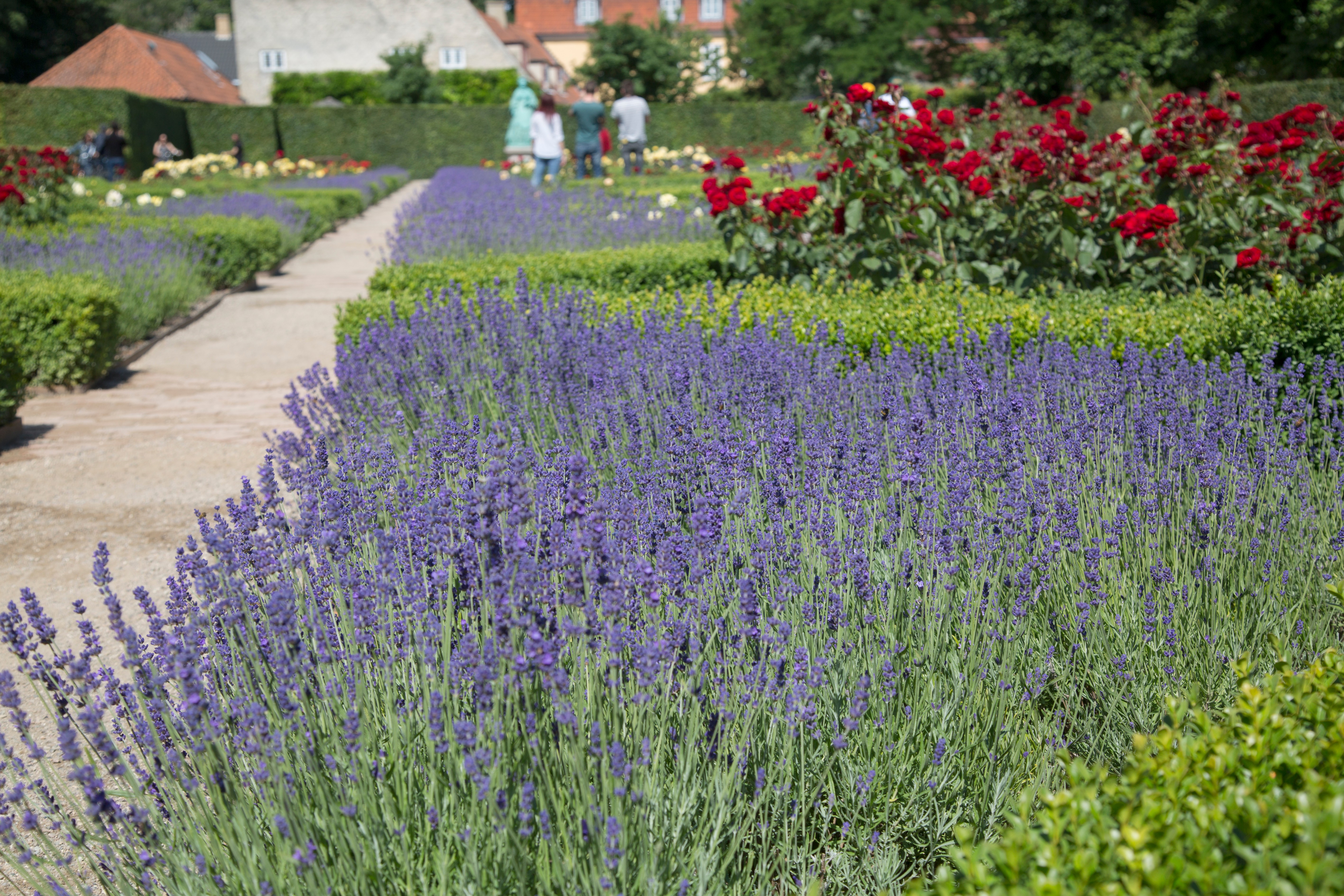
Lavender is a timeless favorite in the garden, celebrated for its fragrant blooms, silvery foliage, and versatility in both culinary and ornamental uses. However, to keep your lavender healthy and looking its best, proper pruning is essential. The ideal time to cut back your lavender, though, can depend greatly on your winter climate. In this post, I’ll share insights from my own gardening experiences on how to prune lavender in both cold winter climates and mild winter climates.
Why Prune Lavender?

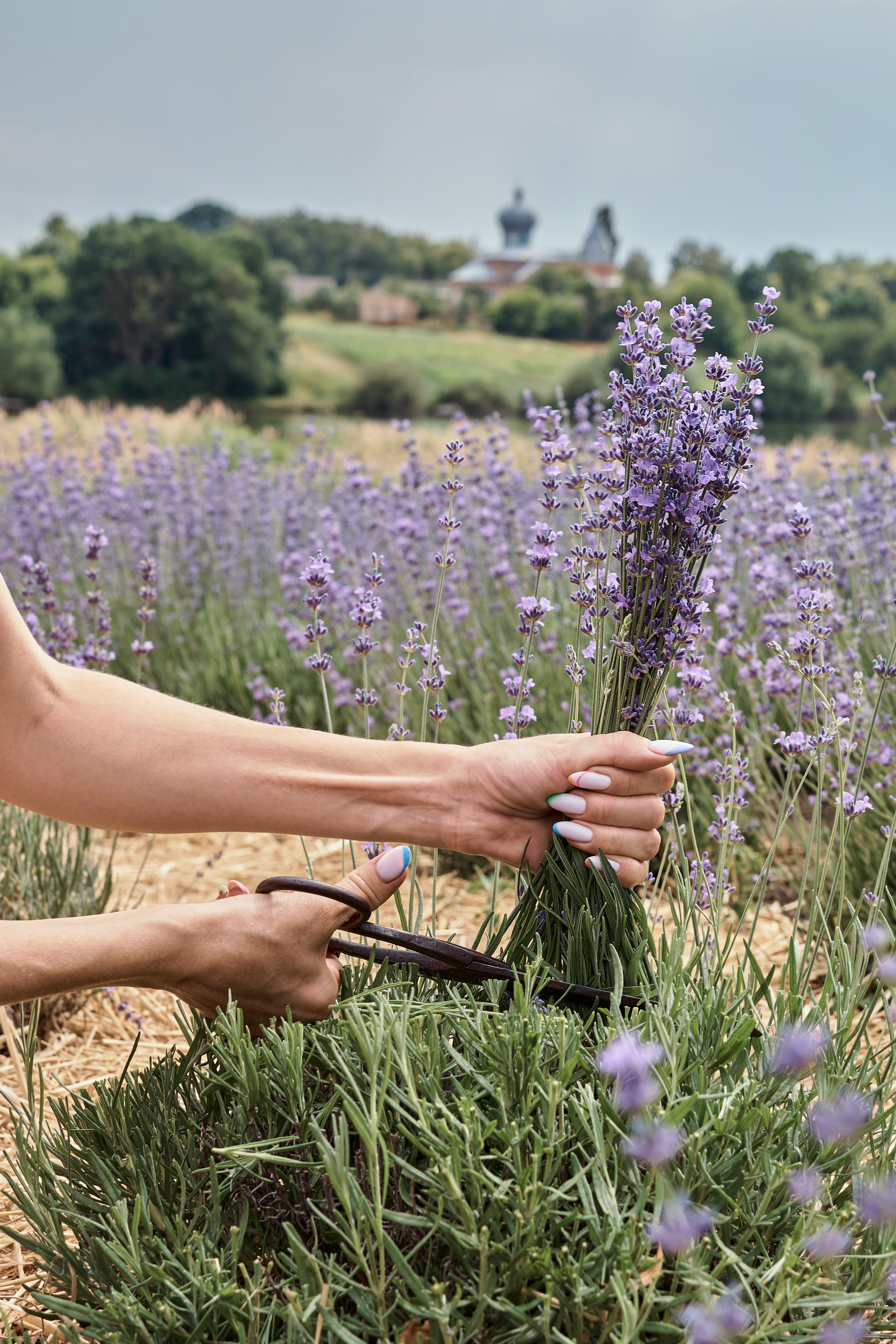
Before diving into the “when,” it’s helpful to understand the “why.” Pruning lavender offers several benefits:

  • Maintaining Shape and Size: Regular trimming keeps lavender from becoming too woody or leggy.

  • Encouraging New Growth: Pruning stimulates the plant to produce fresh, vigorous shoots that will eventually bear blooms.

  • Improving Air Circulation: A well-pruned plant reduces the risk of fungal diseases by allowing better airflow through the foliage.

  • Extending Lifespan: Proper pruning can help your lavender live longer by preventing the plant from becoming too hard and woody over time.

Knowing these benefits, it becomes clear that timing your pruning correctly is crucial to get the best out of your lavender.
Pruning Lavender in Cold Winter Climates

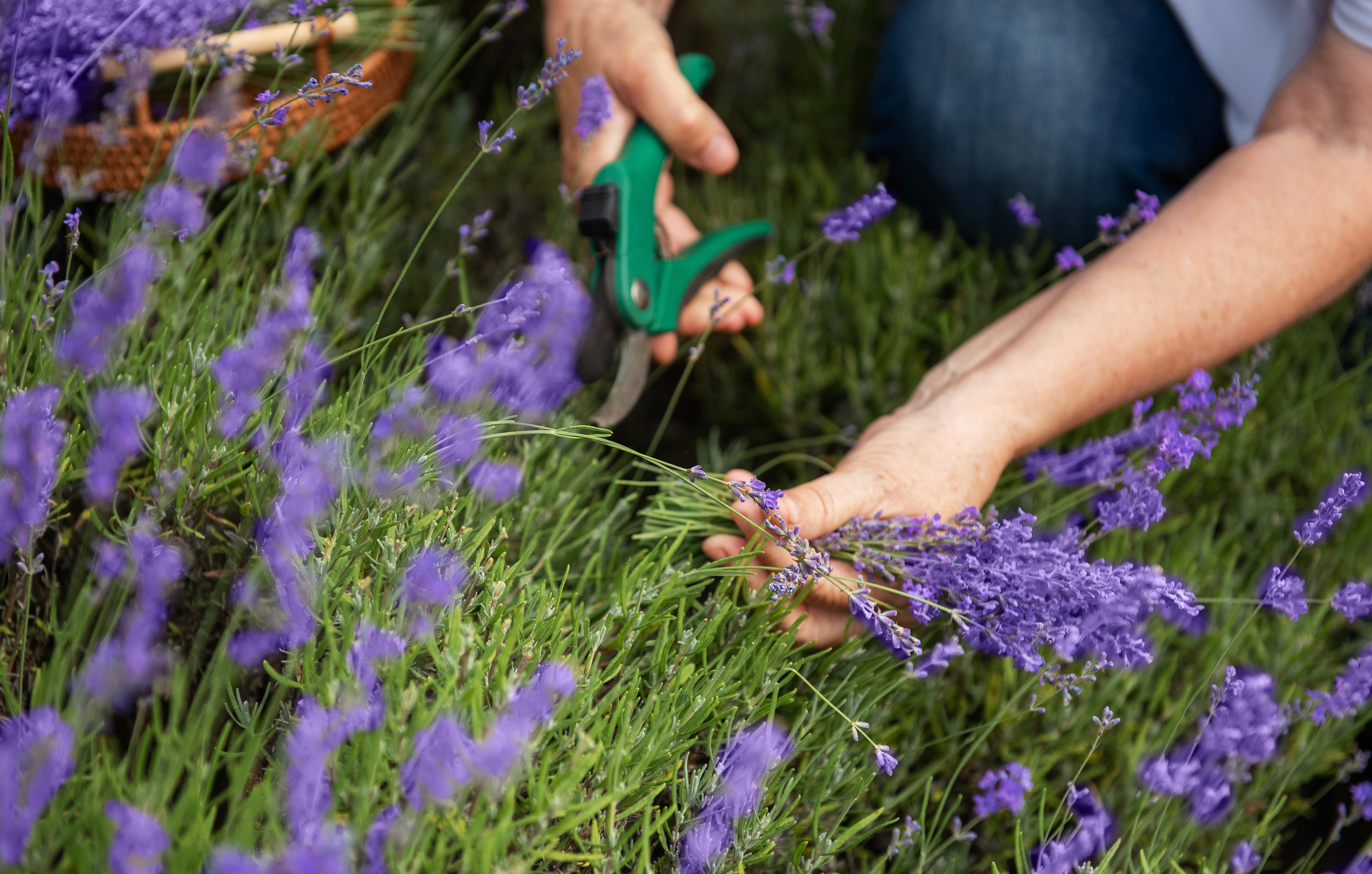
In regions where winter brings freezing temperatures, snow, and frost, lavender requires a gentle approach when it comes to pruning. Here are some guidelines based on years of experience in colder climates:

1. Wait for Early Spring

In cold winter areas, I’ve learned to hold off on any heavy pruning until early spring. As the frost begins to recede and the first signs of new growth appear, it’s the perfect time to trim away the dead, woody stems without risking damage to the winter-protected buds.

  • Why Early Spring?
    Waiting until the danger of severe frost is past helps ensure that you don’t remove protective growth that might help the plant endure the cold. Pruning too early, in late winter or fall, can leave your lavender vulnerable to sudden temperature drops.

2. Focus on Light Pruning

For cold winter climates, it’s best to perform a light pruning. Remove only the dead wood and trim back about one-third of the overall growth, concentrating on the oldest, most woody stems. Avoid cutting too far into the green, new growth because:

  • Risk of Damage:
    Lavender’s new growth is delicate, and heavy cutting can damage the buds that are forming for the upcoming season.

  • Slow Recovery:
    In colder climates, the recovery period is slower, so a light trim helps the plant bounce back more quickly as temperatures warm.

3. Monitor Weather and Soil Conditions

Plan your pruning on a day when the weather is mild, and the soil isn’t frozen. A warm, dry day in early spring is ideal. This allows the cut surfaces to dry out and minimizes the risk of fungal infections.

4. Use Sharp, Clean Tools

When working with lavender in any climate, always use sharp, sterilized tools. In cold climates, plants can be more sensitive to disease, and a clean cut minimizes the risk of introducing pathogens.

My Experience:
In my northern garden, where winters are harsh, I’ve found that waiting until early April—when the chill finally begins to lift—is the most effective strategy. I trim lightly, just enough to remove the dead, gray stems, and I always leave a bit of green behind. This approach has helped my lavender rebound beautifully, with robust new shoots that burst into color as summer arrives.


Pruning Lavender in Mild Winter Climates

If you live in an area with mild winters, the rules of pruning lavender change somewhat. Milder climates, where temperatures rarely dip below freezing, allow for a bit more flexibility and even an opportunity to prune more extensively.

1. Timing Your Pruning

In mild winter regions, you have two good windows for pruning:

  • Late Winter to Early Spring:
    This period, just before the growing season kicks into full gear, is perfect for a rejuvenating trim. The weather is cool enough to prevent stress on the plant, yet warm enough to kickstart new growth.

  • After Flowering:
    Another option is to prune lightly after the lavender has finished blooming in the late summer or early fall. This helps prepare the plant for the winter, encouraging a tidy, compact shape that reduces the risk of winter injury.

2. More Extensive Pruning is Possible

Since mild winters don’t impose the same risk of frost damage, you can be a bit more aggressive with your pruning if needed. In my milder garden, I sometimes trim back up to one-third of the plant’s growth post-flowering, shaping it to maintain its form and encouraging a burst of new growth in the spring.

  • Avoid Cutting into Old Wood:
    Even in mild climates, it’s crucial not to cut too far back into the woody base of the plant. Lavender doesn’t always regenerate well from old wood, and this can result in a bare, sparse plant the following season.

3. Watch for Environmental Cues

In mild winter areas, keep an eye on weather patterns. Even though frost is rare, an unexpected cold snap can occur. If you’re planning an extensive prune in late winter or early spring, monitor the forecast closely and delay your pruning if a cold front is predicted.

4. General Maintenance

In addition to pruning, use this time in a mild winter to tidy up the garden overall. Remove any dead or diseased plant material, and prepare your soil for the coming growing season with a light application of compost or organic matter.

My Experience:
In my southern garden, where winters are more forgiving, I’ve enjoyed the freedom to prune a bit more freely. I typically do a heavy prune in early March, right after the last cool rains, and then follow up with a light trim after the first flush of blooms in early fall. This dual approach has allowed my lavender to thrive, maintaining a vigorous, bushy appearance year-round.

Tips for Successful Lavender Pruning

  • Know Your Variety:
    Different types of lavender (such as English lavender, French lavender, and Spanish lavender) have slightly different growth habits. Adjust your pruning approach based on the variety you have.

  • Don’t Overdo It:
    Whether in a cold or mild climate, avoid cutting too much off at one time. A gradual, annual trim helps maintain the plant’s health.

  • Clean Up Debris:
    After pruning, clear away any clippings from around the plant to reduce the risk of pests and disease.

  • Water and Mulch:
    Post-pruning, a light watering and a thin layer of mulch can help support the plant as it begins to regrow. Be cautious with mulch placement in cold climates to avoid trapping excess moisture around the base.


Final Thoughts

Pruning lavender is as much an art as it is a science. The key is to tailor your approach to the specific demands of your winter climate. In colder regions, patience and a gentle touch in early spring can make all the difference, while milder climates offer a bit more flexibility for a thorough tidy-up both before and after the flowering season.

By understanding the unique needs of your lavender and respecting the rhythm of the seasons, you can ensure that your herb remains healthy, vibrant, and ready to fill your garden with its signature fragrance and beauty every year.

How do you prune your lavender? Do you follow different practices for varying winter climates? I’d love to hear your tips and experiences in the comments below.

Happy pruning and may your lavender always bloom brightly!

Video Guide


Lavender is a timeless favorite in the garden, celebrated for its fragrant blooms, silvery foliage, and versatility in both culinary and ornamental uses. However, to keep your lavender healthy and looking its best, proper pruning is essential. The ideal time to cut back your lavender, though, can depend greatly on your winter climate. In this post, I’ll share insights from my own gardening experiences on how to prune lavender in both cold winter climates and mild winter climates.

Why Prune Lavender?

Before diving into the “when,” it’s helpful to understand the “why.” Pruning lavender offers several benefits:

  • Maintaining Shape and Size: Regular trimming keeps lavender from becoming too woody or leggy.

  • Encouraging New Growth: Pruning stimulates the plant to produce fresh, vigorous shoots that will eventually bear blooms.

  • Improving Air Circulation: A well-pruned plant reduces the risk of fungal diseases by allowing better airflow through the foliage.

  • Extending Lifespan: Proper pruning can help your lavender live longer by preventing the plant from becoming too hard and woody over time.

Knowing these benefits, it becomes clear that timing your pruning correctly is crucial to get the best out of your lavender.

Pruning Lavender in Cold Winter Climates

In regions where winter brings freezing temperatures, snow, and frost, lavender requires a gentle approach when it comes to pruning. Here are some guidelines based on years of experience in colder climates:

1. Wait for Early Spring

In cold winter areas, I’ve learned to hold off on any heavy pruning until early spring. As the frost begins to recede and the first signs of new growth appear, it’s the perfect time to trim away the dead, woody stems without risking damage to the winter-protected buds.

  • Why Early Spring?
    Waiting until the danger of severe frost is past helps ensure that you don’t remove protective growth that might help the plant endure the cold. Pruning too early, in late winter or fall, can leave your lavender vulnerable to sudden temperature drops.

2. Focus on Light Pruning

For cold winter climates, it’s best to perform a light pruning. Remove only the dead wood and trim back about one-third of the overall growth, concentrating on the oldest, most woody stems. Avoid cutting too far into the green, new growth because:

  • Risk of Damage:
    Lavender’s new growth is delicate, and heavy cutting can damage the buds that are forming for the upcoming season.

  • Slow Recovery:
    In colder climates, the recovery period is slower, so a light trim helps the plant bounce back more quickly as temperatures warm.

3. Monitor Weather and Soil Conditions

Plan your pruning on a day when the weather is mild, and the soil isn’t frozen. A warm, dry day in early spring is ideal. This allows the cut surfaces to dry out and minimizes the risk of fungal infections.

4. Use Sharp, Clean Tools

When working with lavender in any climate, always use sharp, sterilized tools. In cold climates, plants can be more sensitive to disease, and a clean cut minimizes the risk of introducing pathogens.

My Experience:
In my northern garden, where winters are harsh, I’ve found that waiting until early April—when the chill finally begins to lift—is the most effective strategy. I trim lightly, just enough to remove the dead, gray stems, and I always leave a bit of green behind. This approach has helped my lavender rebound beautifully, with robust new shoots that burst into color as summer arrives.


Pruning Lavender in Mild Winter Climates

If you live in an area with mild winters, the rules of pruning lavender change somewhat. Milder climates, where temperatures rarely dip below freezing, allow for a bit more flexibility and even an opportunity to prune more extensively.

1. Timing Your Pruning

In mild winter regions, you have two good windows for pruning:

  • Late Winter to Early Spring:
    This period, just before the growing season kicks into full gear, is perfect for a rejuvenating trim. The weather is cool enough to prevent stress on the plant, yet warm enough to kickstart new growth.

  • After Flowering:
    Another option is to prune lightly after the lavender has finished blooming in the late summer or early fall. This helps prepare the plant for the winter, encouraging a tidy, compact shape that reduces the risk of winter injury.

2. More Extensive Pruning is Possible

Since mild winters don’t impose the same risk of frost damage, you can be a bit more aggressive with your pruning if needed. In my milder garden, I sometimes trim back up to one-third of the plant’s growth post-flowering, shaping it to maintain its form and encouraging a burst of new growth in the spring.

  • Avoid Cutting into Old Wood:
    Even in mild climates, it’s crucial not to cut too far back into the woody base of the plant. Lavender doesn’t always regenerate well from old wood, and this can result in a bare, sparse plant the following season.

3. Watch for Environmental Cues

In mild winter areas, keep an eye on weather patterns. Even though frost is rare, an unexpected cold snap can occur. If you’re planning an extensive prune in late winter or early spring, monitor the forecast closely and delay your pruning if a cold front is predicted.

4. General Maintenance

In addition to pruning, use this time in a mild winter to tidy up the garden overall. Remove any dead or diseased plant material, and prepare your soil for the coming growing season with a light application of compost or organic matter.

My Experience:
In my southern garden, where winters are more forgiving, I’ve enjoyed the freedom to prune a bit more freely. I typically do a heavy prune in early March, right after the last cool rains, and then follow up with a light trim after the first flush of blooms in early fall. This dual approach has allowed my lavender to thrive, maintaining a vigorous, bushy appearance year-round.

Tips for Successful Lavender Pruning

  • Know Your Variety:
    Different types of lavender (such as English lavender, French lavender, and Spanish lavender) have slightly different growth habits. Adjust your pruning approach based on the variety you have.

  • Don’t Overdo It:
    Whether in a cold or mild climate, avoid cutting too much off at one time. A gradual, annual trim helps maintain the plant’s health.

  • Clean Up Debris:
    After pruning, clear away any clippings from around the plant to reduce the risk of pests and disease.

  • Water and Mulch:
    Post-pruning, a light watering and a thin layer of mulch can help support the plant as it begins to regrow. Be cautious with mulch placement in cold climates to avoid trapping excess moisture around the base.


Final Thoughts

Pruning lavender is as much an art as it is a science. The key is to tailor your approach to the specific demands of your winter climate. In colder regions, patience and a gentle touch in early spring can make all the difference, while milder climates offer a bit more flexibility for a thorough tidy-up both before and after the flowering season.

By understanding the unique needs of your lavender and respecting the rhythm of the seasons, you can ensure that your herb remains healthy, vibrant, and ready to fill your garden with its signature fragrance and beauty every year.

How do you prune your lavender? Do you follow different practices for varying winter climates? I’d love to hear your tips and experiences in the comments below.

Happy pruning and may your lavender always bloom brightly!

Video Guide


Free Weekly Garden Tips

Join my free newsletter to receive weekly garden insights + things I think you'll find interesting!

Free Weekly Garden Tips

Join my free newsletter to receive weekly garden insights + things I think you'll find interesting!

Free Weekly Garden Tips

Join my free newsletter to receive weekly garden insights + things I think you'll find interesting!

Let's grow your dream garden.

Subscribe

Join our newsletter to stay up to date on everything happening!

By subscribing you agree to our Privacy Policy and provide consent to receive updates from our company.

© 2026 Next Level Gardening. All rights reserved.

Let's grow your dream garden.

Subscribe

Join our newsletter to stay up to date on everything happening!

By subscribing you agree to our Privacy Policy and provide consent to receive updates from our company.

© 2026 Next Level Gardening. All rights reserved.

Let's grow your dream garden.

Subscribe

Join our newsletter to stay up to date on everything happening!

By subscribing you agree to our Privacy Policy and provide consent to receive updates from our company.

© 2026 Next Level Gardening. All rights reserved.