Boosting Your Tomato Plants with a Secret Household Ingredient
Boosting Your Tomato Plants with a Secret Household Ingredient
Feb 25, 2025

Boosting Your Tomato Plants with a Secret Household Ingredient

Tomatoes are a beloved staple in many gardens, cherished for their flavor and versatility. However, achieving optimal growth and fruit production can sometimes feel challenging. Fortunately, there’s a household ingredient that can help boost your tomato plants’ health and productivity. This blog post dives into how this simple addition can transform your gardening experience.
The Miracle Ingredient: Aspirin
You may be surprised to learn that aspirin, a common item in many medicine cabinets, holds the key to enhancing your tomato plants. This household staple can increase fruit production, enhance the nutrient value of the fruit, improve the quality of the fruit, and bolster the disease resistance of the plant. In a world where gardening advice often circles around complicated solutions, this straightforward method is a breath of fresh air.

Why Not Epsom Salts?
Many gardeners swear by Epsom salts, believing it to be a cure-all for various gardening issues. However, it’s essential to clarify its role in tomato cultivation. Epsom salts consist of magnesium sulfate, a nutrient that plants require, but typically, most native soils already have sufficient magnesium. It's often misattributed as a remedy for blossom end rot, which actually stems from a calcium deficiency within the plant tissues, not the soil. In fact, introducing Epsom salts can complicate matters further, as magnesium and calcium ions compete for uptake in the plant.

Photo by Jason Tuinstra on Unsplash
Understanding Blossom End Rot
Blossom end rot manifests as a dark, sunken spot on the blossom end of the tomato, indicating a calcium deficiency. However, this deficiency is not due to a lack of calcium in the soil; rather, it often arises from inconsistent watering practices. When the soil dries out, the plant struggles to absorb calcium, leading to this condition. Thus, rather than reaching for Epsom salts, focus on maintaining consistent soil moisture to ensure calcium can be effectively absorbed.
How to Use Aspirin on Your Tomato Plants
Now that we’ve established aspirin as the star player, let’s talk about how to use it effectively. When tomato plants feel threatened by pests or disease, they naturally produce a hormone similar to salicylic acid, the active ingredient in aspirin. By applying an aspirin solution, you can simulate this stress response, essentially training your plants to be more resilient before any actual threats arise.
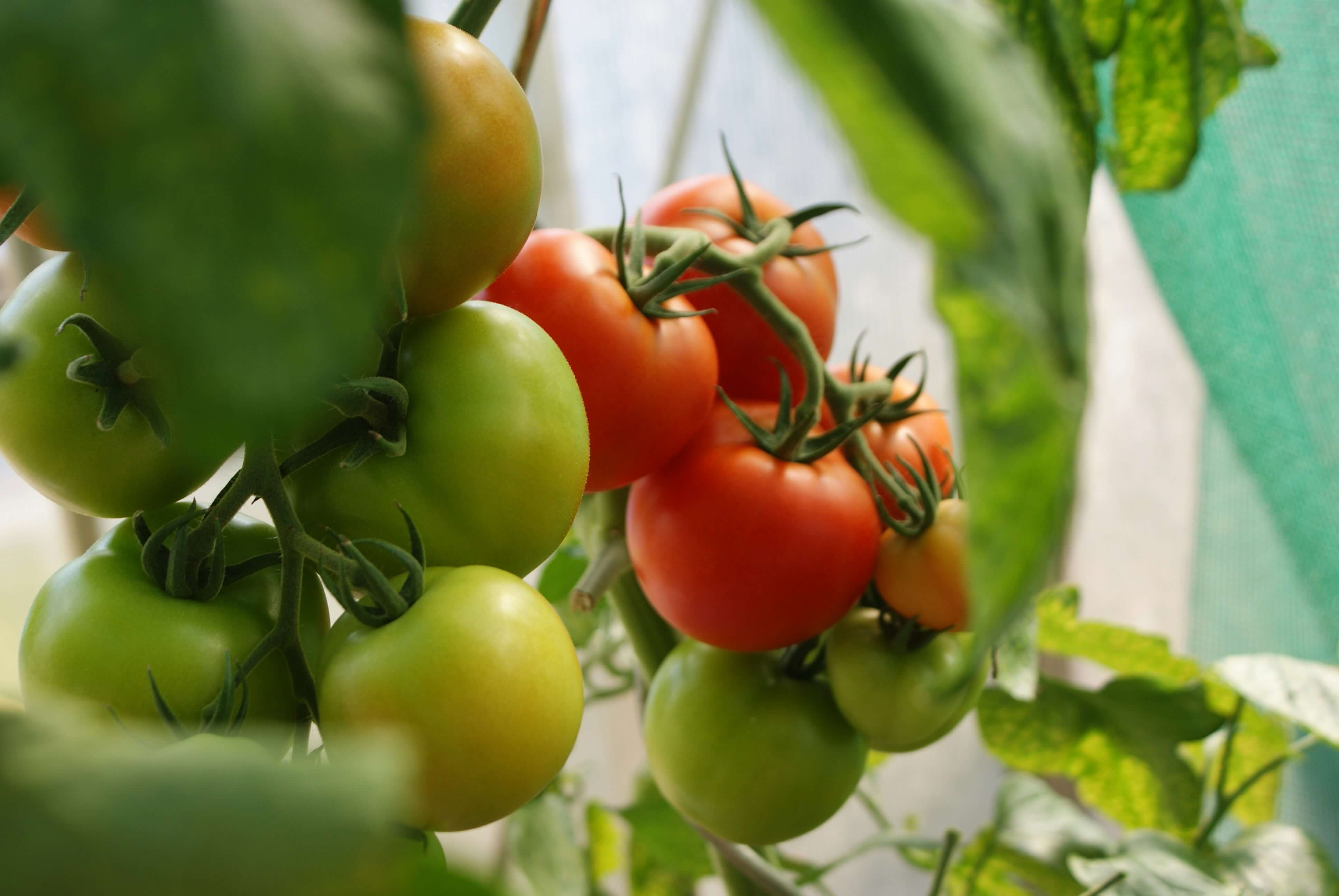
Photo by Dani California on Unsplash
Creating the Aspirin Solution
To prepare this solution, follow these simple steps:
Take 600 milligrams of uncoated aspirin.
Blend it with 1 cup of water to help it dissolve.
Pour this mixture into a gallon of water.
Spray the solution on your tomato plants every two weeks, particularly before wet weather.
This method is preventive rather than curative, making it essential to use it as a regular part of your gardening routine.
Compatibility with Other Plants
One of the fantastic aspects of this technique is its versatility. The aspirin solution is not just beneficial for tomatoes; it works on other plants in the nightshade family, including peppers, eggplants, and potatoes. This makes it a great addition to your overall gardening strategy.
Organic Gardening Considerations
Some may question if using aspirin in the garden aligns with organic gardening principles. While it’s not strictly organic, if faced with the choice of using aspirin versus chemical fungicides, many gardeners would opt for aspirin. For those committed to organic practices, a natural alternative is willow bark, which also contains salicylic acid. You can create a willow tea by soaking the bark in water, then use it similarly to the aspirin solution.
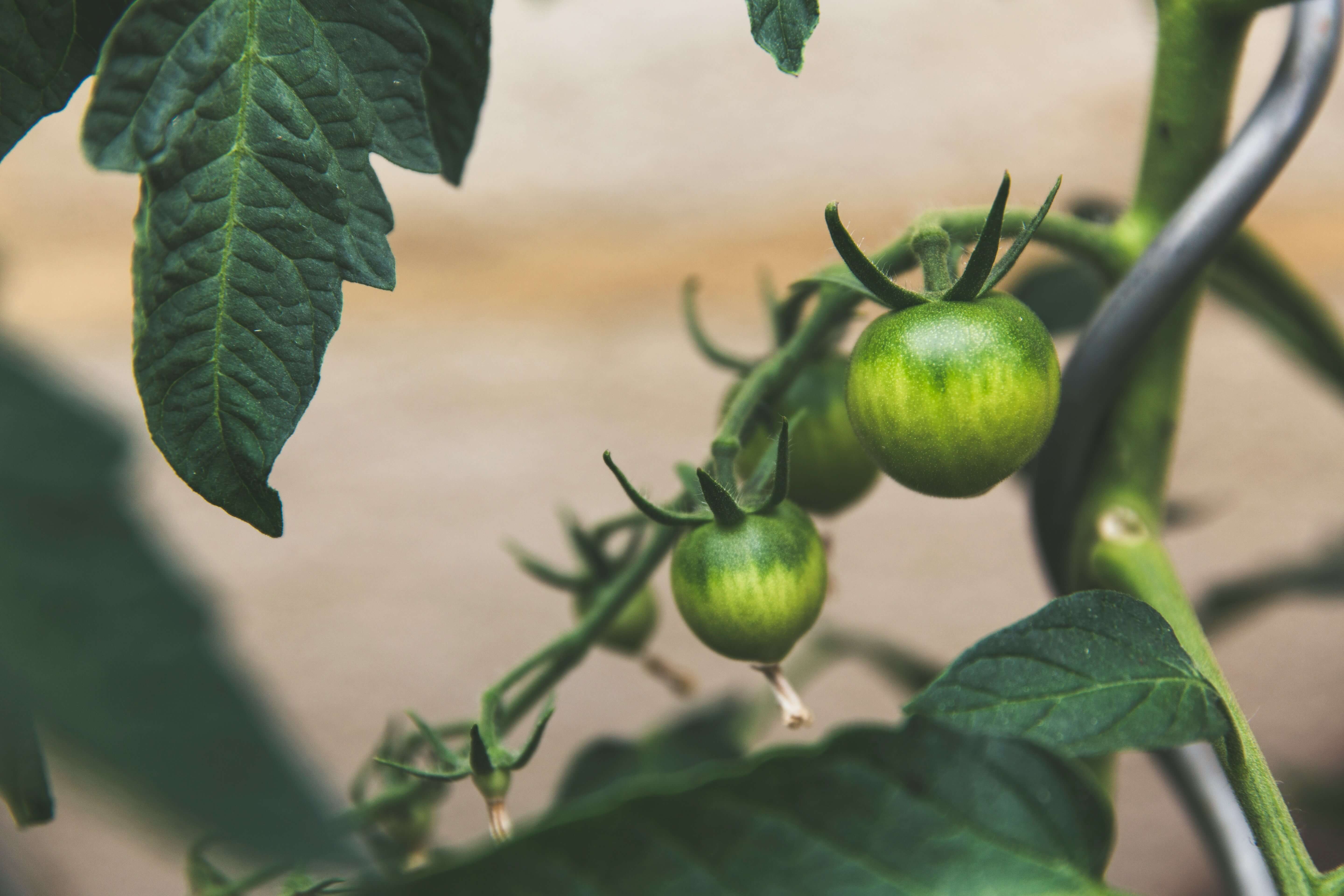
Photo by Markus Spiske on Unsplash
Additional Tips for Healthy Tomato Plants
While aspirin can significantly enhance your tomato plants, it’s essential to incorporate other good gardening practices for the best results:
Consistent Watering: Ensure your plants receive regular watering, especially during dry spells, to prevent blossom end rot.
Fertilization: Consider using organic fertilizers to provide essential nutrients. Products like Neptune's Harvest can be beneficial.
Pruning: Regularly prune your tomato plants to improve air circulation and reduce the risk of disease.
Companion Planting: Incorporate companion plants to deter pests and enhance growth.
Conclusion
Incorporating aspirin into your tomato care routine can lead to healthier plants and a more bountiful harvest. This simple household ingredient not only boosts production and quality but also helps your plants fend off diseases. By following the steps outlined in this post and maintaining good gardening practices, you can take your tomato gardening to the next level.
If you found this information helpful, please share it with fellow gardeners and consider subscribing for more tips and tricks to enhance your gardening experience!
Video Guide
For more gardening insights, check out Next Level Gardening or follow on YouTube.
Boosting Your Tomato Plants with a Secret Household Ingredient
Tomatoes are a beloved staple in many gardens, cherished for their flavor and versatility. However, achieving optimal growth and fruit production can sometimes feel challenging. Fortunately, there’s a household ingredient that can help boost your tomato plants’ health and productivity. This blog post dives into how this simple addition can transform your gardening experience.
The Miracle Ingredient: Aspirin
You may be surprised to learn that aspirin, a common item in many medicine cabinets, holds the key to enhancing your tomato plants. This household staple can increase fruit production, enhance the nutrient value of the fruit, improve the quality of the fruit, and bolster the disease resistance of the plant. In a world where gardening advice often circles around complicated solutions, this straightforward method is a breath of fresh air.
Why Not Epsom Salts?
Many gardeners swear by Epsom salts, believing it to be a cure-all for various gardening issues. However, it’s essential to clarify its role in tomato cultivation. Epsom salts consist of magnesium sulfate, a nutrient that plants require, but typically, most native soils already have sufficient magnesium. It's often misattributed as a remedy for blossom end rot, which actually stems from a calcium deficiency within the plant tissues, not the soil. In fact, introducing Epsom salts can complicate matters further, as magnesium and calcium ions compete for uptake in the plant.
Photo by Jason Tuinstra on Unsplash
Understanding Blossom End Rot
Blossom end rot manifests as a dark, sunken spot on the blossom end of the tomato, indicating a calcium deficiency. However, this deficiency is not due to a lack of calcium in the soil; rather, it often arises from inconsistent watering practices. When the soil dries out, the plant struggles to absorb calcium, leading to this condition. Thus, rather than reaching for Epsom salts, focus on maintaining consistent soil moisture to ensure calcium can be effectively absorbed.
How to Use Aspirin on Your Tomato Plants
Now that we’ve established aspirin as the star player, let’s talk about how to use it effectively. When tomato plants feel threatened by pests or disease, they naturally produce a hormone similar to salicylic acid, the active ingredient in aspirin. By applying an aspirin solution, you can simulate this stress response, essentially training your plants to be more resilient before any actual threats arise.
Photo by Dani California on Unsplash
Creating the Aspirin Solution
To prepare this solution, follow these simple steps:
Take 600 milligrams of uncoated aspirin.
Blend it with 1 cup of water to help it dissolve.
Pour this mixture into a gallon of water.
Spray the solution on your tomato plants every two weeks, particularly before wet weather.
This method is preventive rather than curative, making it essential to use it as a regular part of your gardening routine.
Compatibility with Other Plants
One of the fantastic aspects of this technique is its versatility. The aspirin solution is not just beneficial for tomatoes; it works on other plants in the nightshade family, including peppers, eggplants, and potatoes. This makes it a great addition to your overall gardening strategy.
Organic Gardening Considerations
Some may question if using aspirin in the garden aligns with organic gardening principles. While it’s not strictly organic, if faced with the choice of using aspirin versus chemical fungicides, many gardeners would opt for aspirin. For those committed to organic practices, a natural alternative is willow bark, which also contains salicylic acid. You can create a willow tea by soaking the bark in water, then use it similarly to the aspirin solution.
Photo by Markus Spiske on Unsplash
Additional Tips for Healthy Tomato Plants
While aspirin can significantly enhance your tomato plants, it’s essential to incorporate other good gardening practices for the best results:
Consistent Watering: Ensure your plants receive regular watering, especially during dry spells, to prevent blossom end rot.
Fertilization: Consider using organic fertilizers to provide essential nutrients. Products like Neptune's Harvest can be beneficial.
Pruning: Regularly prune your tomato plants to improve air circulation and reduce the risk of disease.
Companion Planting: Incorporate companion plants to deter pests and enhance growth.
Conclusion
Incorporating aspirin into your tomato care routine can lead to healthier plants and a more bountiful harvest. This simple household ingredient not only boosts production and quality but also helps your plants fend off diseases. By following the steps outlined in this post and maintaining good gardening practices, you can take your tomato gardening to the next level.
If you found this information helpful, please share it with fellow gardeners and consider subscribing for more tips and tricks to enhance your gardening experience!
Video Guide
For more gardening insights, check out Next Level Gardening or follow on YouTube.
Free Weekly Garden Tips
Join my free newsletter to receive weekly garden insights + things I think you'll find interesting!
Free Weekly Garden Tips
Join my free newsletter to receive weekly garden insights + things I think you'll find interesting!
Free Weekly Garden Tips
Join my free newsletter to receive weekly garden insights + things I think you'll find interesting!
Let's grow your dream garden.

Subscribe
Join our newsletter to stay up to date on everything happening!
By subscribing you agree to our Privacy Policy and provide consent to receive updates from our company.
Let's grow your dream garden.
Subscribe
Join our newsletter to stay up to date on everything happening!
By subscribing you agree to our Privacy Policy and provide consent to receive updates from our company.
Let's grow your dream garden.
Subscribe
Join our newsletter to stay up to date on everything happening!
By subscribing you agree to our Privacy Policy and provide consent to receive updates from our company.