Maximize Your Tomato Garden: The Best Companion Plants and What to Avoid
Maximize Your Tomato Garden: The Best Companion Plants and What to Avoid
Feb 17, 2025
Maximize Your Tomato Garden: The Best Companion Plants and What to Avoid
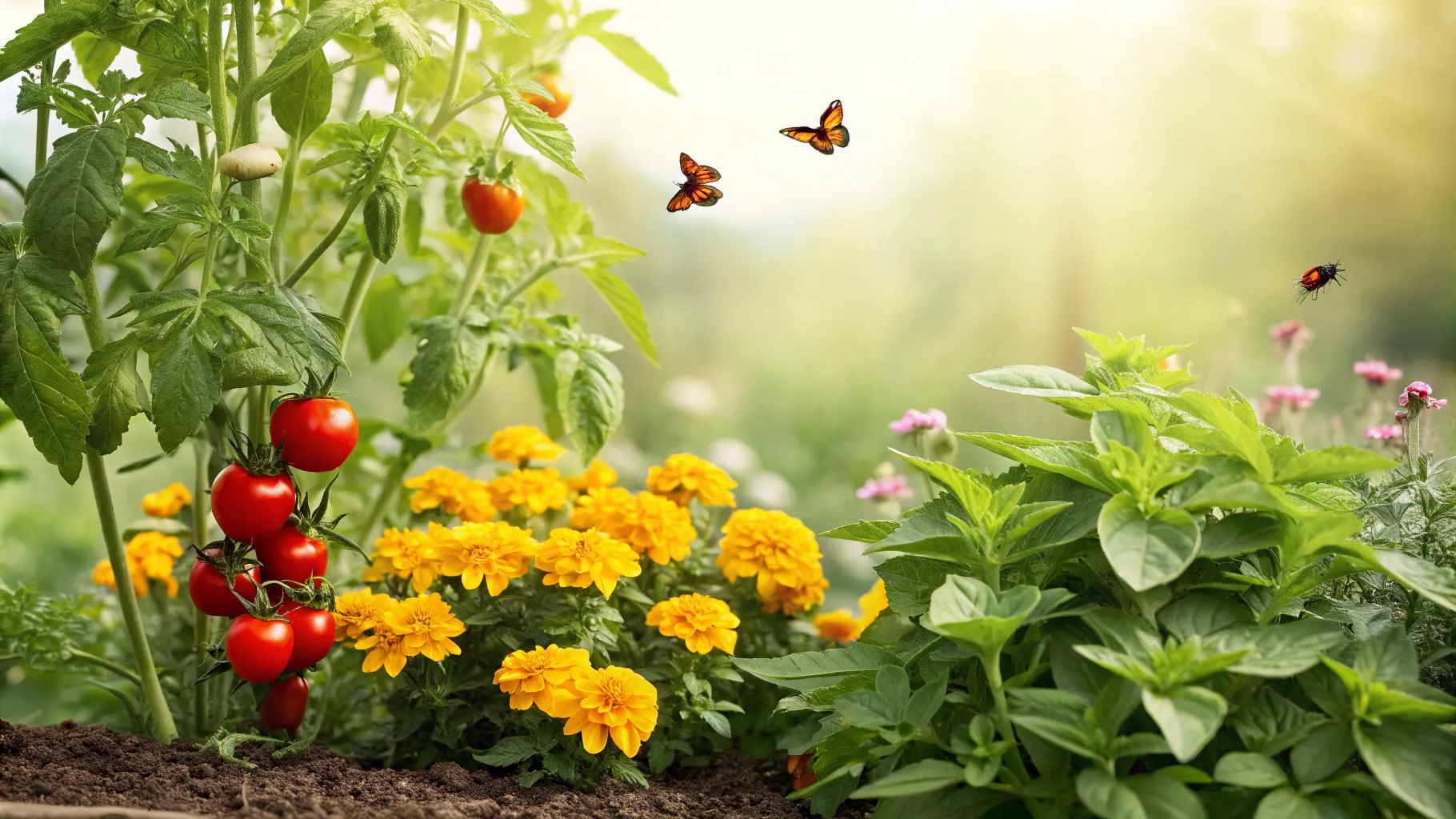
Tomatoes are a beloved staple in home gardens, but did you know that pairing them with the right plants can enhance their growth and yield? Companion planting is a method that can lead to healthier plants and increased productivity. In this blog, we’ll explore five excellent companion plants for tomatoes, as well as two plants that you should definitely keep away from your tomato patch.
Understanding Companion Planting
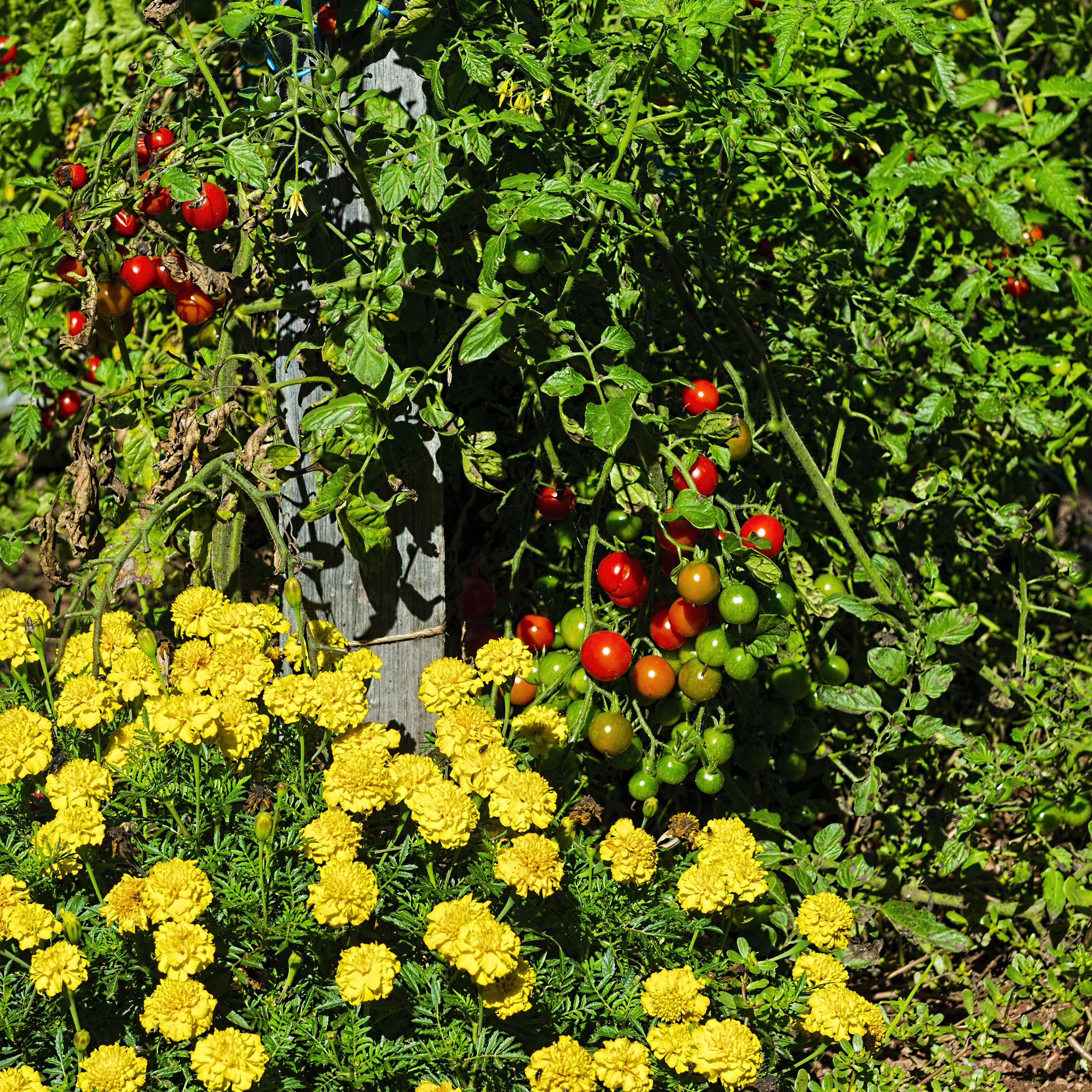
Companion planting involves growing different plants close together to benefit each other. Some plants attract beneficial insects, while others can repel pests or improve soil conditions. Understanding these relationships can be the key to a thriving garden.
Marigolds: The Pest Deterrent
Marigolds are a top choice for companion planting with tomatoes. These flowers produce compounds that are toxic to root-knot nematodes, which can harm tomato plants by damaging their roots. The French marigold variety is particularly effective. By planting marigolds among your tomatoes, you can create a natural barrier against these harmful pests.
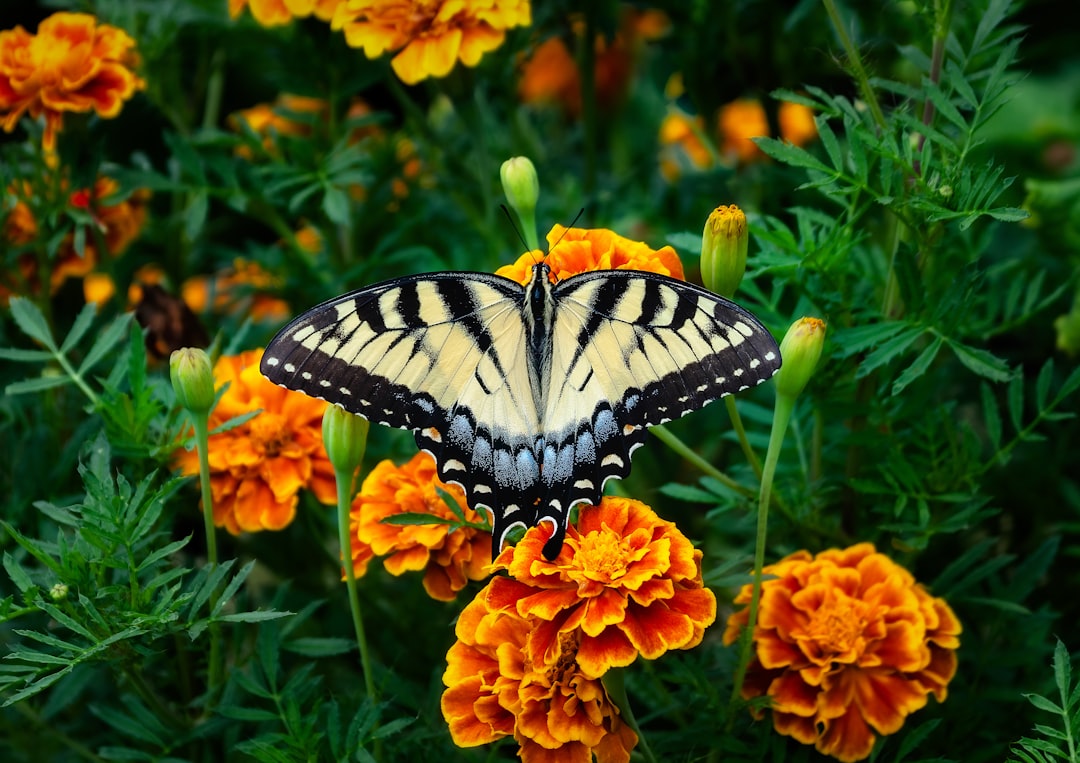
Photo by Robert Zunikoff on Unsplash
Alliums: Natural Pest Repellent
Members of the Allium family, such as onions, garlic, and chives, are fantastic companions for tomatoes. They emit strong odors that repel pests, particularly red spider mites. These mites are notorious for feeding on tomato leaves, causing significant damage. By integrating alliums into your tomato garden, you can reduce the risk of mite infestations.
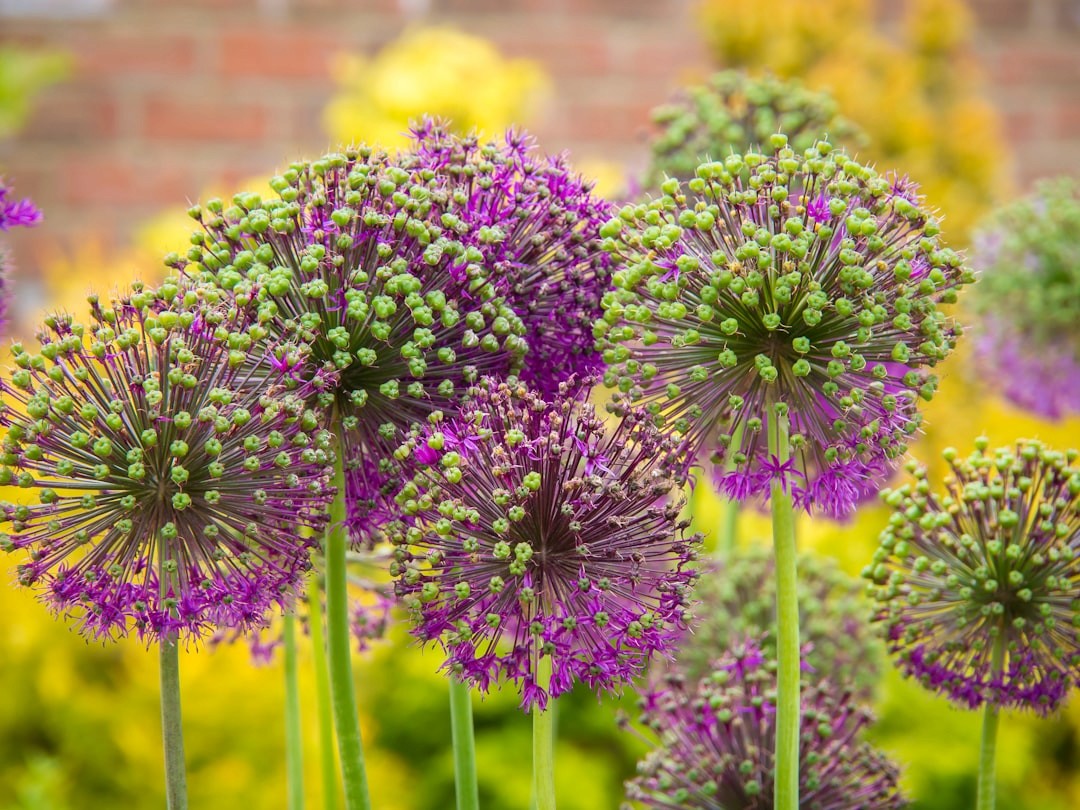
Photo by Richard Loader on Unsplash
Peppermint: A Dual Purpose Plant
Peppermint is another excellent companion plant, known for its ability to repel various pests, including rodents. If you have issues with garden pests, planting peppermint in pots around your tomato plants can help keep them at bay. However, be cautious; mint can be invasive, so it's best to contain it in pots to prevent it from taking over your garden.
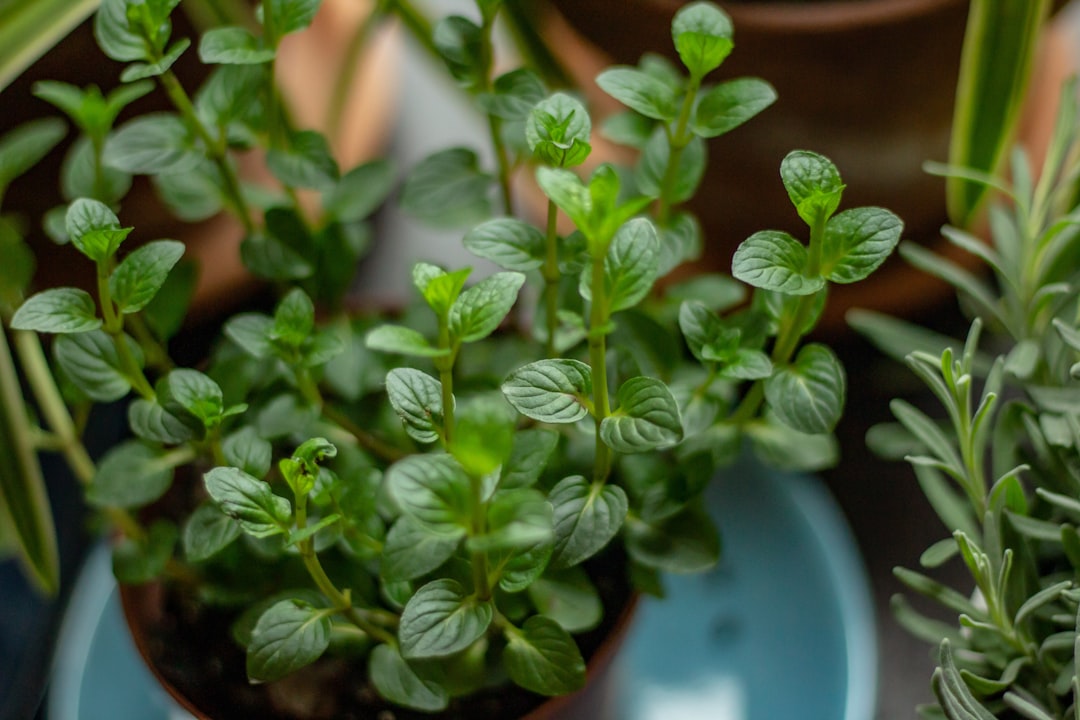
Photo by Bonnie Kittle on Unsplash
Parsley: Attracting Beneficial Insects
Parsley is not only a culinary herb but also a powerful companion plant. When allowed to flower, it attracts hoverflies, whose larvae feed on aphids and other harmful insects. Additionally, parsley can deter certain beetles, making it a valuable addition to your garden.
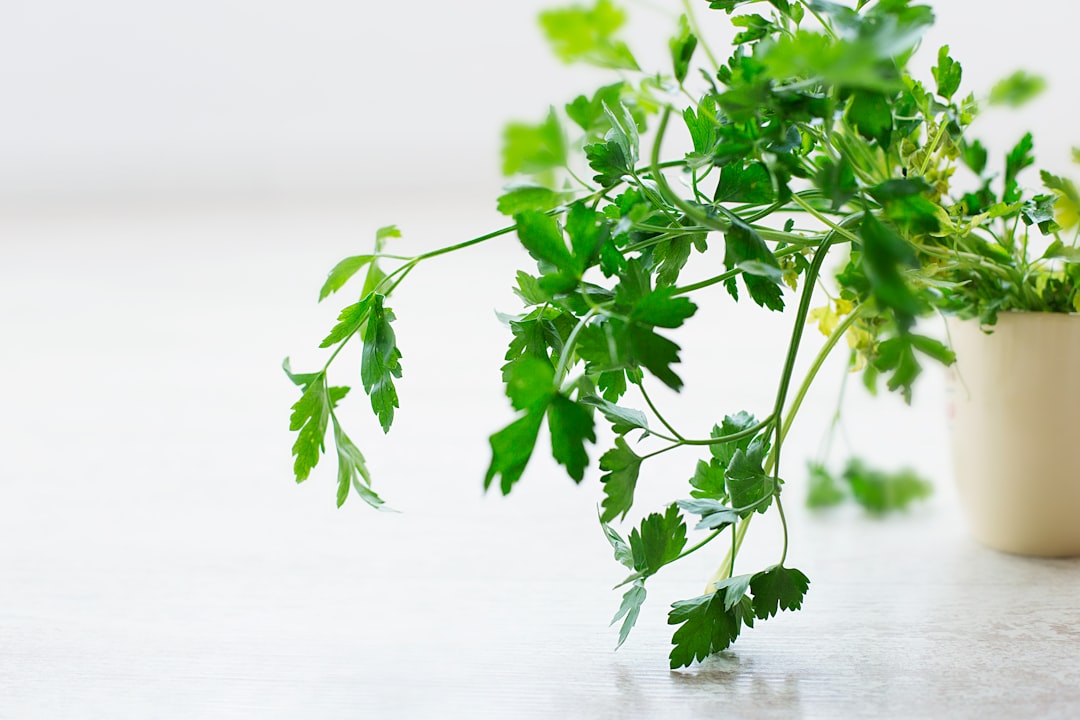
Photo by pintando la luz on Unsplash
Basil: The Ultimate Companion
Basil is widely regarded as the best companion plant for tomatoes. Not only does it enhance the flavor of tomatoes, but it also repels the dreaded tomato hornworm. Furthermore, basil flowers attract pollinators, which can boost the overall health of your garden. Growing both green and purple basil can provide benefits while ensuring a continuous supply of fresh basil for your culinary needs.

Plants to Avoid Near Tomatoes
While companion planting can enhance your tomato garden, there are specific plants that you should avoid planting nearby. Here are two of the most problematic:
Potatoes: A Risky Pairing
Potatoes and tomatoes belong to the same family and can share similar pests and diseases. Planting them close together increases the risk of blight and other soil-borne diseases. Moreover, the root systems of potatoes can inhibit the growth of tomatoes, leading to stunted plants. Keeping these two crops separate is essential for a healthy garden.
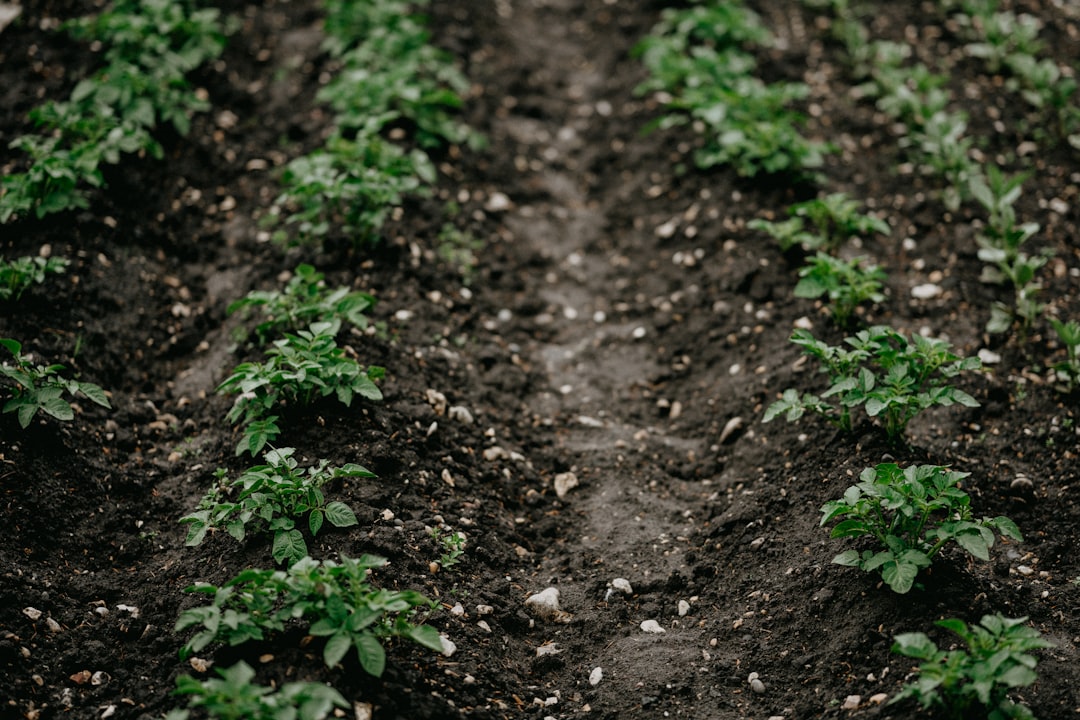
Photo by Annie Spratt on Unsplash
Black Walnut Trees: Toxic Companions
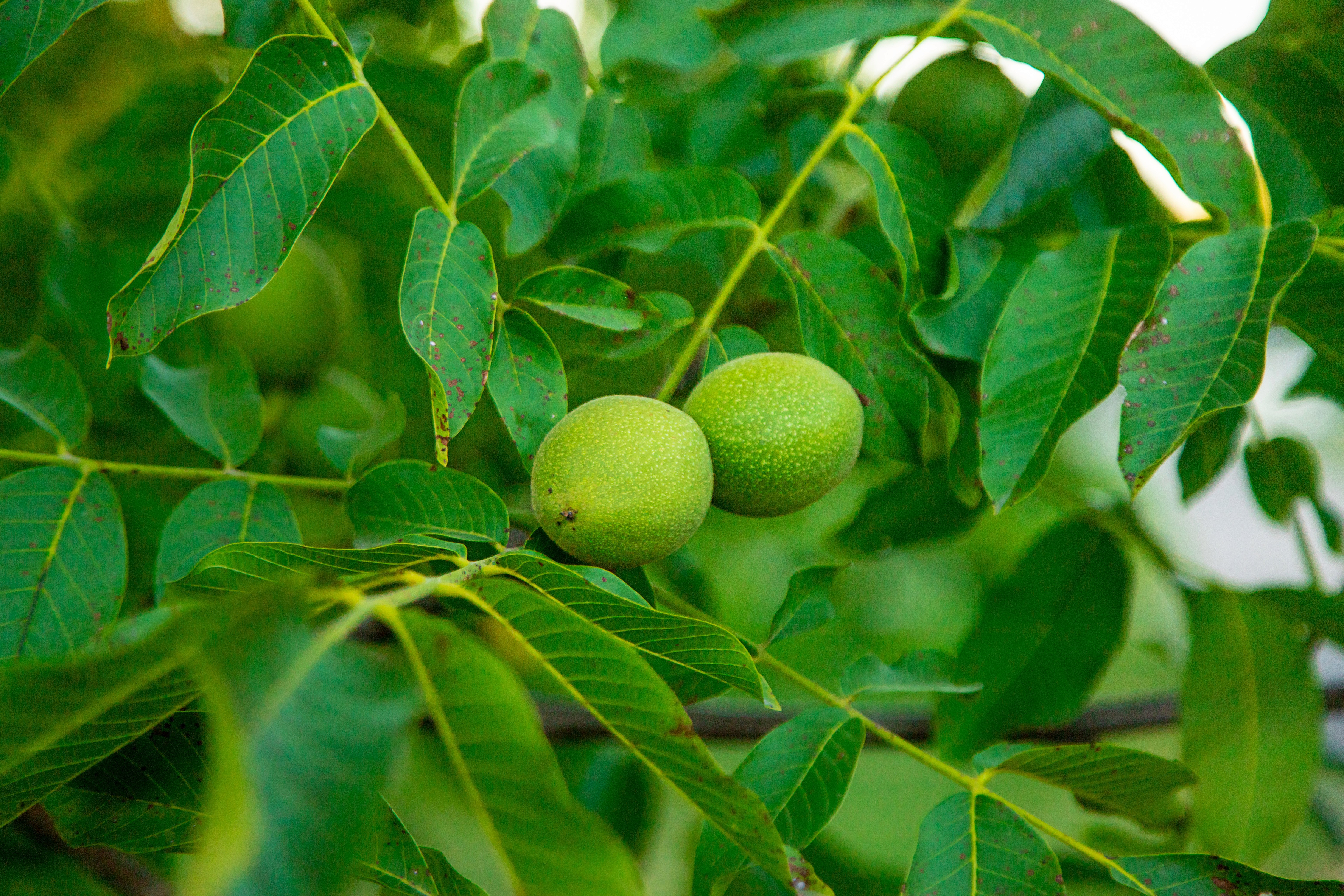
Black Walnut trees produce a chemical called juglone, which is toxic to tomatoes. If tomato plants are within the root zone of a walnut tree, they are likely to suffer from wilt and other growth issues. It’s best to plant tomatoes far away from black walnut trees to avoid these detrimental effects.
Conclusion
Companion planting is a fantastic way to improve the health and yield of your tomato plants. By incorporating marigolds, alliums, peppermint, parsley, and basil into your garden, you can create a thriving ecosystem that supports your tomatoes. On the other hand, steering clear of potatoes and walnut trees will help you avoid potential pitfalls. Happy gardening!
More Companion Planting for Tomatoes Video Guide
If you’re interested in learning more about companion planting, check out the book Companion Planting for Beginners for in-depth insights and tips.
Maximize Your Tomato Garden: The Best Companion Plants and What to Avoid
Tomatoes are a beloved staple in home gardens, but did you know that pairing them with the right plants can enhance their growth and yield? Companion planting is a method that can lead to healthier plants and increased productivity. In this blog, we’ll explore five excellent companion plants for tomatoes, as well as two plants that you should definitely keep away from your tomato patch.
Understanding Companion Planting
Companion planting involves growing different plants close together to benefit each other. Some plants attract beneficial insects, while others can repel pests or improve soil conditions. Understanding these relationships can be the key to a thriving garden.
Marigolds: The Pest Deterrent
Marigolds are a top choice for companion planting with tomatoes. These flowers produce compounds that are toxic to root-knot nematodes, which can harm tomato plants by damaging their roots. The French marigold variety is particularly effective. By planting marigolds among your tomatoes, you can create a natural barrier against these harmful pests.
Photo by Robert Zunikoff on Unsplash
Alliums: Natural Pest Repellent
Members of the Allium family, such as onions, garlic, and chives, are fantastic companions for tomatoes. They emit strong odors that repel pests, particularly red spider mites. These mites are notorious for feeding on tomato leaves, causing significant damage. By integrating alliums into your tomato garden, you can reduce the risk of mite infestations.
Photo by Richard Loader on Unsplash
Peppermint: A Dual Purpose Plant
Peppermint is another excellent companion plant, known for its ability to repel various pests, including rodents. If you have issues with garden pests, planting peppermint in pots around your tomato plants can help keep them at bay. However, be cautious; mint can be invasive, so it's best to contain it in pots to prevent it from taking over your garden.
Photo by Bonnie Kittle on Unsplash
Parsley: Attracting Beneficial Insects
Parsley is not only a culinary herb but also a powerful companion plant. When allowed to flower, it attracts hoverflies, whose larvae feed on aphids and other harmful insects. Additionally, parsley can deter certain beetles, making it a valuable addition to your garden.
Photo by pintando la luz on Unsplash
Basil: The Ultimate Companion
Basil is widely regarded as the best companion plant for tomatoes. Not only does it enhance the flavor of tomatoes, but it also repels the dreaded tomato hornworm. Furthermore, basil flowers attract pollinators, which can boost the overall health of your garden. Growing both green and purple basil can provide benefits while ensuring a continuous supply of fresh basil for your culinary needs.
Plants to Avoid Near Tomatoes
While companion planting can enhance your tomato garden, there are specific plants that you should avoid planting nearby. Here are two of the most problematic:
Potatoes: A Risky Pairing
Potatoes and tomatoes belong to the same family and can share similar pests and diseases. Planting them close together increases the risk of blight and other soil-borne diseases. Moreover, the root systems of potatoes can inhibit the growth of tomatoes, leading to stunted plants. Keeping these two crops separate is essential for a healthy garden.
Photo by Annie Spratt on Unsplash
Black Walnut Trees: Toxic Companions
Black Walnut trees produce a chemical called juglone, which is toxic to tomatoes. If tomato plants are within the root zone of a walnut tree, they are likely to suffer from wilt and other growth issues. It’s best to plant tomatoes far away from black walnut trees to avoid these detrimental effects.
Conclusion
Companion planting is a fantastic way to improve the health and yield of your tomato plants. By incorporating marigolds, alliums, peppermint, parsley, and basil into your garden, you can create a thriving ecosystem that supports your tomatoes. On the other hand, steering clear of potatoes and walnut trees will help you avoid potential pitfalls. Happy gardening!
More Companion Planting for Tomatoes Video Guide
If you’re interested in learning more about companion planting, check out the book Companion Planting for Beginners for in-depth insights and tips.
Free Weekly Garden Tips
Join my free newsletter to receive weekly garden insights + things I think you'll find interesting!
Free Weekly Garden Tips
Join my free newsletter to receive weekly garden insights + things I think you'll find interesting!
Free Weekly Garden Tips
Join my free newsletter to receive weekly garden insights + things I think you'll find interesting!
Let's grow your dream garden.

Subscribe
Join our newsletter to stay up to date on everything happening!
By subscribing you agree to our Privacy Policy and provide consent to receive updates from our company.
Let's grow your dream garden.
Subscribe
Join our newsletter to stay up to date on everything happening!
By subscribing you agree to our Privacy Policy and provide consent to receive updates from our company.
Let's grow your dream garden.
Subscribe
Join our newsletter to stay up to date on everything happening!
By subscribing you agree to our Privacy Policy and provide consent to receive updates from our company.