Benefits and Dangers of COFFEE GROUNDS and WOOD ASH in the Garden
Benefits and Dangers of COFFEE GROUNDS and WOOD ASH in the Garden
Mar 4, 2025

Gardening can be a rewarding experience, especially when you discover new ways to enhance your soil using items you might otherwise throw away. Two common household items, coffee grounds and wood ash, can greatly benefit your garden. However, they come with their own set of considerations. Let’s dive into how to use these amendments effectively while being aware of their potential downsides.
The Power of Coffee Grounds
Coffee grounds are often overlooked as a valuable resource in the garden. If you’ve ever visited a coffee shop, you may have noticed bags of used coffee grounds available for free. These grounds can offer several benefits to your garden, but there are also some important factors to keep in mind.
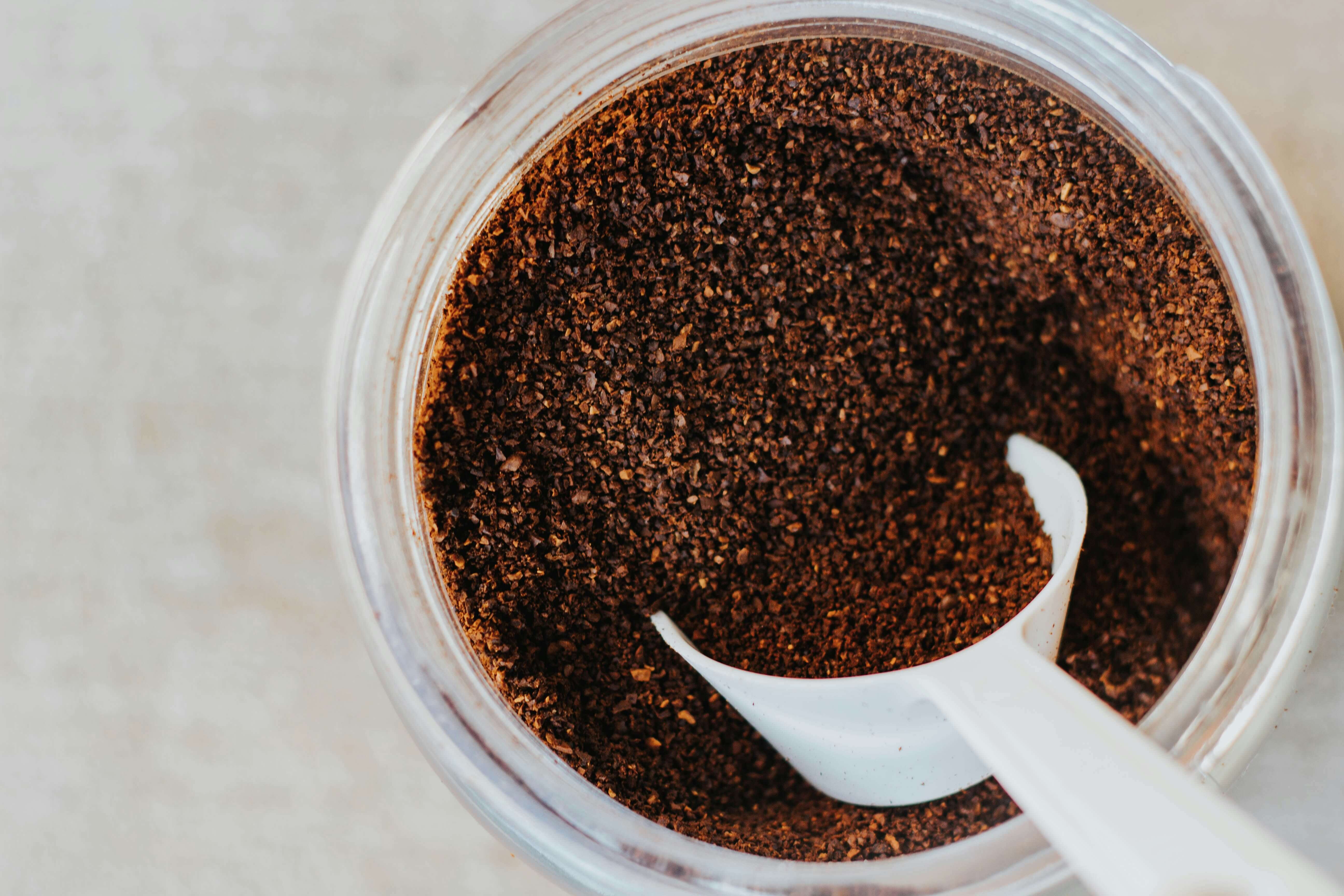
Photo by Andrea Tummons on Unsplash
Nutritional Content
When it comes to the NPK (Nitrogen, Phosphorus, Potassium) ratio, coffee grounds are not a strong fertilizer, coming in at 2.1-0.3-0.3. This means they provide a moderate amount of nitrogen but very little phosphorus and potassium. The nitrogen in coffee grounds doesn’t become immediately available to plants, as it takes time for microorganisms to break it down.
However, coffee grounds do contain trace elements that are beneficial for plant health, including magnesium, copper, calcium, manganese, zinc, and iron. They also contribute organic matter, which is excellent for attracting earthworms and supporting soil microorganisms.
Application Tips
One common mistake is mixing coffee grounds directly into the soil. When this happens, microorganisms use the soil’s nitrogen to break down the coffee grounds, which can stunt plant growth. Instead, it's better to apply coffee grounds as a top dressing or add them to your compost pile where they can be broken down more effectively.
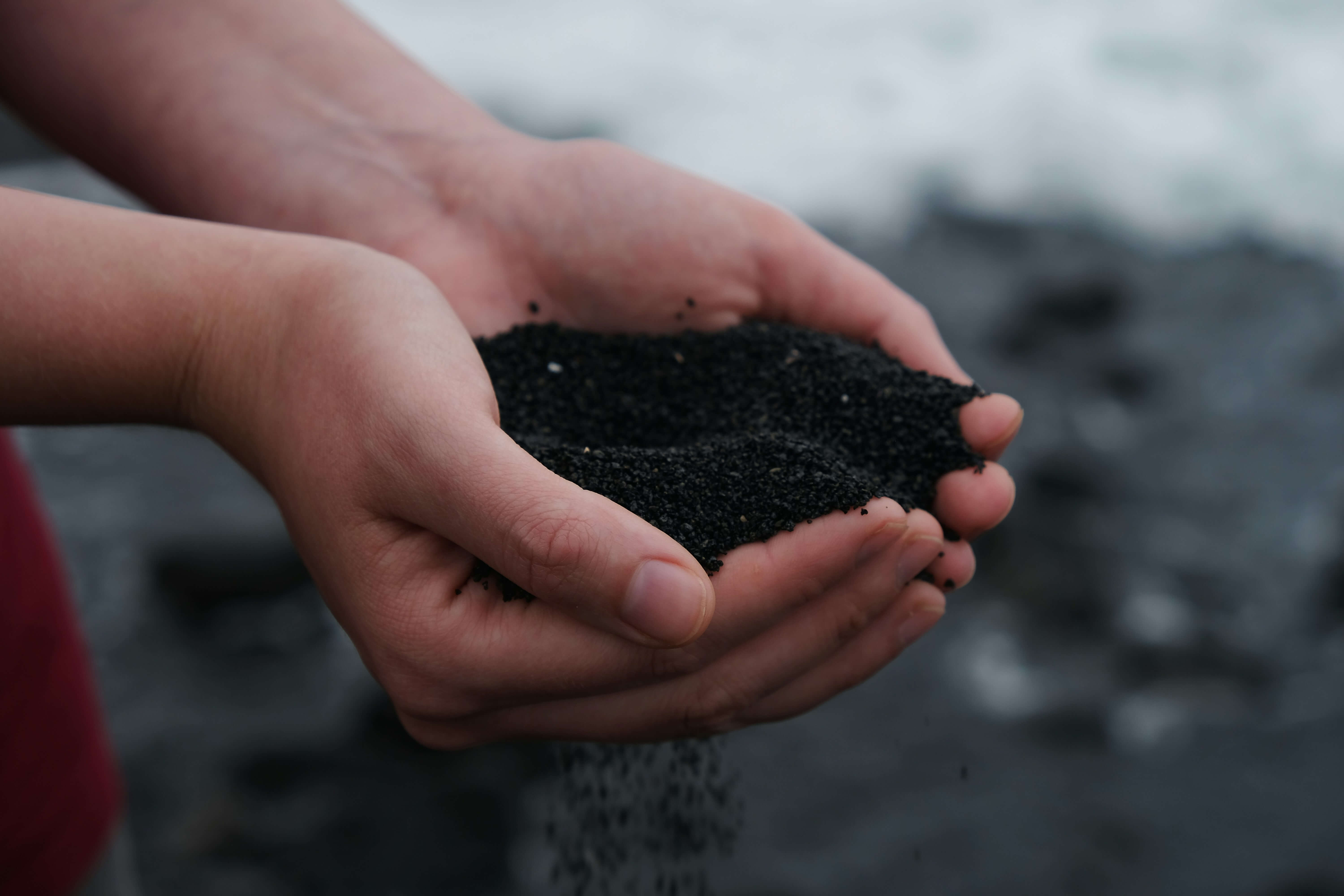
Photo by Seth Cottle on Unsplash
Caffeine Concerns
Another critical aspect to consider is caffeine. If you have pets that might consume soil, it's best to keep coffee grounds out of their reach, as caffeine can be harmful to them. This is especially important if the grounds haven't been leached by water yet.

Common Myths
There’s a prevalent myth that coffee grounds increase soil acidity. This is only true for unused, fresh coffee grounds. Once brewed, the acidity is mostly extracted, leaving the grounds near neutral in pH. If you’re looking to acidify your soil for specific plants like azaleas or blueberries, you can sprinkle fresh grounds around them.
Negative Effects
While coffee grounds have many benefits, there are also some drawbacks. A thick layer of coffee grounds can create a hard surface that repels water. Therefore, it’s crucial to apply them sparingly as a light mulch rather than a thick layer.
Best Practices for Composting
The best way to utilize coffee grounds is by adding them to your compost bin. Their small particle size and nitrogen content can help invigorate a cold compost pile, making it more efficient. When composting, remember that coffee grounds are classified as a "green" material, meaning they provide nitrogen and should be balanced with "brown" materials like dry leaves or straw.
Learn more about composting techniques here.
Understanding Wood Ash
As winter comes to an end, many gardeners find themselves with leftover wood ash from fireplaces or fire pits. Wood ash can be a valuable addition to your garden, but it’s essential to use it wisely.

Photo by Rubén Bagüés on Unsplash
Nutritional Benefits
Wood ash has an NPK ratio of 0-1-3, meaning it provides a significant amount of potassium, which is vital for the growth of fruits and vegetables. Potassium enhances the size and quality of produce, making wood ash a great amendment for gardeners focused on yield.
Biochar Benefits
In addition to potassium, wood ash contains biochar, which has a complex structure with plenty of surface area for beneficial microorganisms and fungi. This helps improve nutrient absorption in your garden soil. The biochar present in wood ash can also help retain moisture and enhance soil structure.
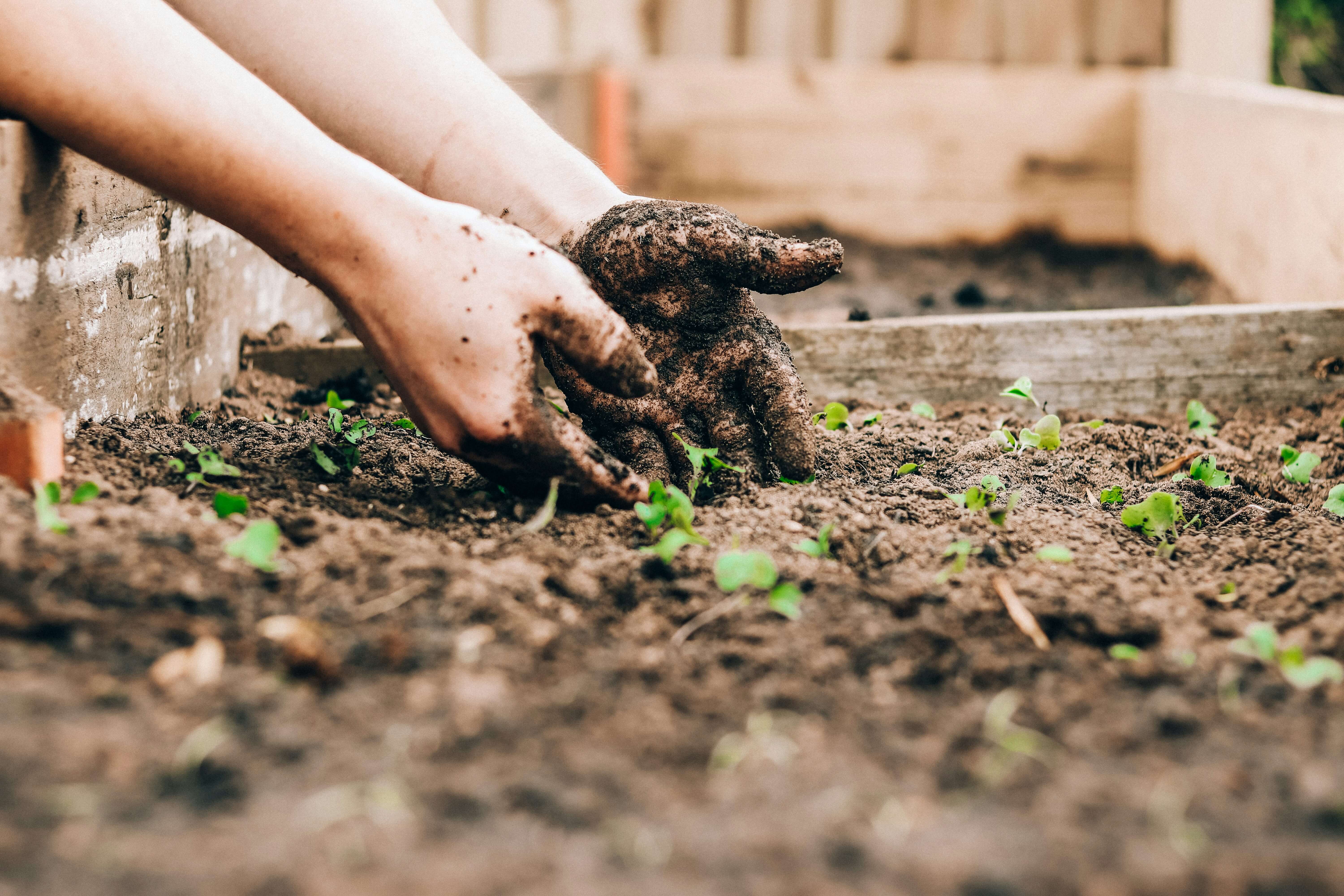
Photo by Sandie Clarke on Unsplash
Effect on Soil pH
Unlike coffee grounds, wood ash can dramatically alter your soil's pH. If you have alkaline soil, adding wood ash can increase its alkalinity, which may not be suitable for all plants. It’s crucial to test your soil pH before applying wood ash to ensure it’s appropriate for your garden.
Application Guidelines
Wood ash can be mixed directly into your soil, unlike coffee grounds, as it won’t rob nitrogen from your plants. However, avoid applying wood ash near acid-loving plants like blueberries and tomatoes, which prefer slightly acidic to neutral soil conditions.
Testing Your Soil pH
Understanding your soil's pH is essential for making informed decisions about what amendments to add. Fortunately, you don’t need fancy tools to test your soil pH. Here’s a simple method using common household items.
Materials Needed
Clear jars or containers
Bottled water (pH neutral)
Vinegar (for acid testing)
Baking soda (for alkaline testing)
Testing Steps
Take a soil sample from different areas of your garden and place it in two clear jars.
Add bottled water to each jar, just above the soil level, and stir.
In one jar, add a little vinegar. If it fizzes, your soil is alkaline.
In the other jar, add a small amount of baking soda. If it fizzes, your soil is acidic.
This test won’t give you an exact pH number, but it will help you determine whether your soil leans towards acid or alkaline.
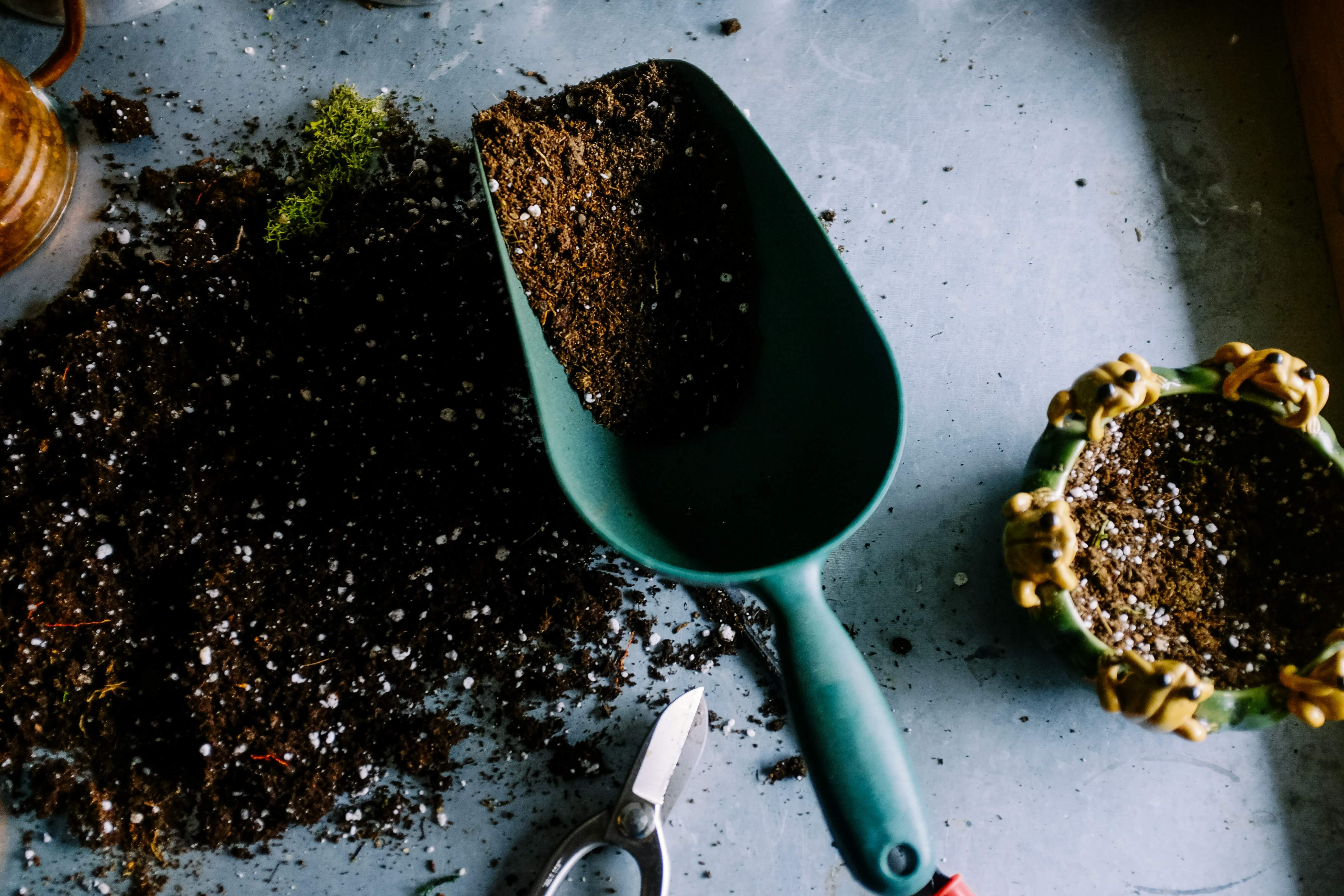
Photo by Neslihan Gunaydin on Unsplash
Conclusion
Both coffee grounds and wood ash can be excellent additions to your garden when used correctly. While they offer numerous benefits, it’s equally important to be aware of their potential risks and how they can affect your plants. Always consider your soil conditions and test your pH before applying these amendments to ensure a thriving garden.
So next time you find yourself with leftover coffee grounds or wood ash, remember the ways you can put them to good use while keeping your plants healthy!
Gardening can be a rewarding experience, especially when you discover new ways to enhance your soil using items you might otherwise throw away. Two common household items, coffee grounds and wood ash, can greatly benefit your garden. However, they come with their own set of considerations. Let’s dive into how to use these amendments effectively while being aware of their potential downsides.
The Power of Coffee Grounds
Coffee grounds are often overlooked as a valuable resource in the garden. If you’ve ever visited a coffee shop, you may have noticed bags of used coffee grounds available for free. These grounds can offer several benefits to your garden, but there are also some important factors to keep in mind.
Photo by Andrea Tummons on Unsplash
Nutritional Content
When it comes to the NPK (Nitrogen, Phosphorus, Potassium) ratio, coffee grounds are not a strong fertilizer, coming in at 2.1-0.3-0.3. This means they provide a moderate amount of nitrogen but very little phosphorus and potassium. The nitrogen in coffee grounds doesn’t become immediately available to plants, as it takes time for microorganisms to break it down.
However, coffee grounds do contain trace elements that are beneficial for plant health, including magnesium, copper, calcium, manganese, zinc, and iron. They also contribute organic matter, which is excellent for attracting earthworms and supporting soil microorganisms.
Application Tips
One common mistake is mixing coffee grounds directly into the soil. When this happens, microorganisms use the soil’s nitrogen to break down the coffee grounds, which can stunt plant growth. Instead, it's better to apply coffee grounds as a top dressing or add them to your compost pile where they can be broken down more effectively.
Photo by Seth Cottle on Unsplash
Caffeine Concerns
Another critical aspect to consider is caffeine. If you have pets that might consume soil, it's best to keep coffee grounds out of their reach, as caffeine can be harmful to them. This is especially important if the grounds haven't been leached by water yet.
Common Myths
There’s a prevalent myth that coffee grounds increase soil acidity. This is only true for unused, fresh coffee grounds. Once brewed, the acidity is mostly extracted, leaving the grounds near neutral in pH. If you’re looking to acidify your soil for specific plants like azaleas or blueberries, you can sprinkle fresh grounds around them.
Negative Effects
While coffee grounds have many benefits, there are also some drawbacks. A thick layer of coffee grounds can create a hard surface that repels water. Therefore, it’s crucial to apply them sparingly as a light mulch rather than a thick layer.
Best Practices for Composting
The best way to utilize coffee grounds is by adding them to your compost bin. Their small particle size and nitrogen content can help invigorate a cold compost pile, making it more efficient. When composting, remember that coffee grounds are classified as a "green" material, meaning they provide nitrogen and should be balanced with "brown" materials like dry leaves or straw.
Learn more about composting techniques here.
Understanding Wood Ash
As winter comes to an end, many gardeners find themselves with leftover wood ash from fireplaces or fire pits. Wood ash can be a valuable addition to your garden, but it’s essential to use it wisely.
Photo by Rubén Bagüés on Unsplash
Nutritional Benefits
Wood ash has an NPK ratio of 0-1-3, meaning it provides a significant amount of potassium, which is vital for the growth of fruits and vegetables. Potassium enhances the size and quality of produce, making wood ash a great amendment for gardeners focused on yield.
Biochar Benefits
In addition to potassium, wood ash contains biochar, which has a complex structure with plenty of surface area for beneficial microorganisms and fungi. This helps improve nutrient absorption in your garden soil. The biochar present in wood ash can also help retain moisture and enhance soil structure.
Photo by Sandie Clarke on Unsplash
Effect on Soil pH
Unlike coffee grounds, wood ash can dramatically alter your soil's pH. If you have alkaline soil, adding wood ash can increase its alkalinity, which may not be suitable for all plants. It’s crucial to test your soil pH before applying wood ash to ensure it’s appropriate for your garden.
Application Guidelines
Wood ash can be mixed directly into your soil, unlike coffee grounds, as it won’t rob nitrogen from your plants. However, avoid applying wood ash near acid-loving plants like blueberries and tomatoes, which prefer slightly acidic to neutral soil conditions.
Testing Your Soil pH
Understanding your soil's pH is essential for making informed decisions about what amendments to add. Fortunately, you don’t need fancy tools to test your soil pH. Here’s a simple method using common household items.
Materials Needed
Clear jars or containers
Bottled water (pH neutral)
Vinegar (for acid testing)
Baking soda (for alkaline testing)
Testing Steps
Take a soil sample from different areas of your garden and place it in two clear jars.
Add bottled water to each jar, just above the soil level, and stir.
In one jar, add a little vinegar. If it fizzes, your soil is alkaline.
In the other jar, add a small amount of baking soda. If it fizzes, your soil is acidic.
This test won’t give you an exact pH number, but it will help you determine whether your soil leans towards acid or alkaline.
Photo by Neslihan Gunaydin on Unsplash
Conclusion
Both coffee grounds and wood ash can be excellent additions to your garden when used correctly. While they offer numerous benefits, it’s equally important to be aware of their potential risks and how they can affect your plants. Always consider your soil conditions and test your pH before applying these amendments to ensure a thriving garden.
So next time you find yourself with leftover coffee grounds or wood ash, remember the ways you can put them to good use while keeping your plants healthy!
Free Weekly Garden Tips
Join my free newsletter to receive weekly garden insights + things I think you'll find interesting!
Free Weekly Garden Tips
Join my free newsletter to receive weekly garden insights + things I think you'll find interesting!
Free Weekly Garden Tips
Join my free newsletter to receive weekly garden insights + things I think you'll find interesting!
Let's grow your dream garden.

Subscribe
Join our newsletter to stay up to date on everything happening!
By subscribing you agree to our Privacy Policy and provide consent to receive updates from our company.
Let's grow your dream garden.
Subscribe
Join our newsletter to stay up to date on everything happening!
By subscribing you agree to our Privacy Policy and provide consent to receive updates from our company.
Let's grow your dream garden.
Subscribe
Join our newsletter to stay up to date on everything happening!
By subscribing you agree to our Privacy Policy and provide consent to receive updates from our company.