Easiest Vegetables to Start From Seed
Easiest Vegetables to Start From Seed
Jan 12, 2026
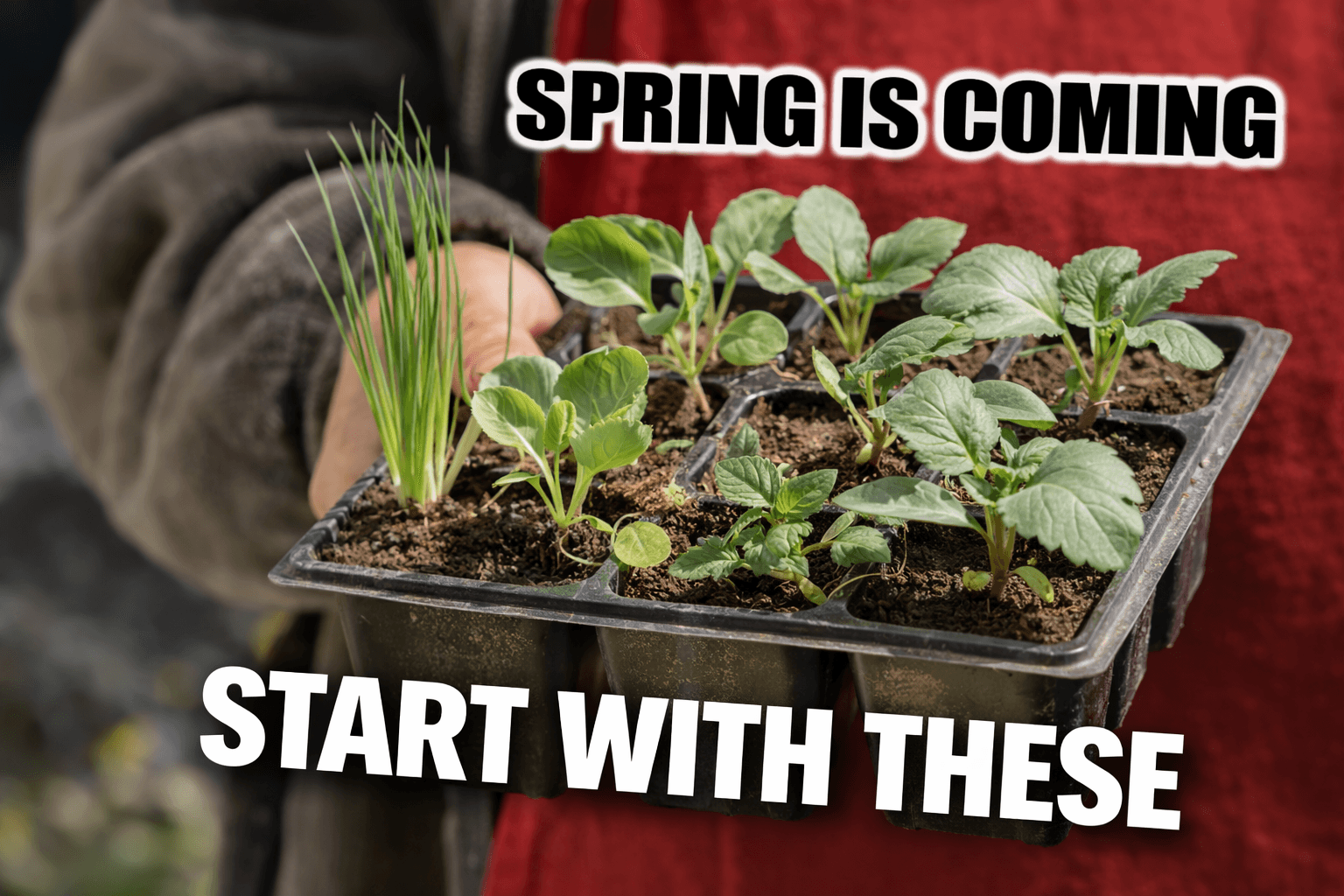
Easiest Vegetables to Start From Seed (They Give Feedback)
If seed starting has ever felt confusing or discouraging, the problem usually isn’t your timing, your equipment, or your skill level.
It’s the plants you started with.
Many vegetables stay quiet for a long time after planting. They don’t show clear progress, they don’t respond quickly, and they don’t give you much information early on. That silence makes beginners assume something went wrong — even when everything is fine.
The easiest vegetables to start from seed aren’t easy because they’re tough.
They’re easy because they give feedback.
They respond.
They communicate.
They help you learn what’s working instead of leaving you guessing.
This guide walks through the best vegetables to start with if you want clear signals, short feedback loops, and early confidence.
What “Feedback” Means in Seed Starting
In gardening, feedback simply means visible response.
A plant that gives feedback will:
Germinate quickly or predictably
Show steady progress once it’s up
Slow down instead of collapsing when something’s off
Let you see cause and effect early
Plants that don’t give feedback tend to:
Stay underground for long periods
Germinate unevenly or very slowly
Leave you unsure whether conditions are wrong or patience is required
Neither type is bad — but they feel very different when you’re learning.
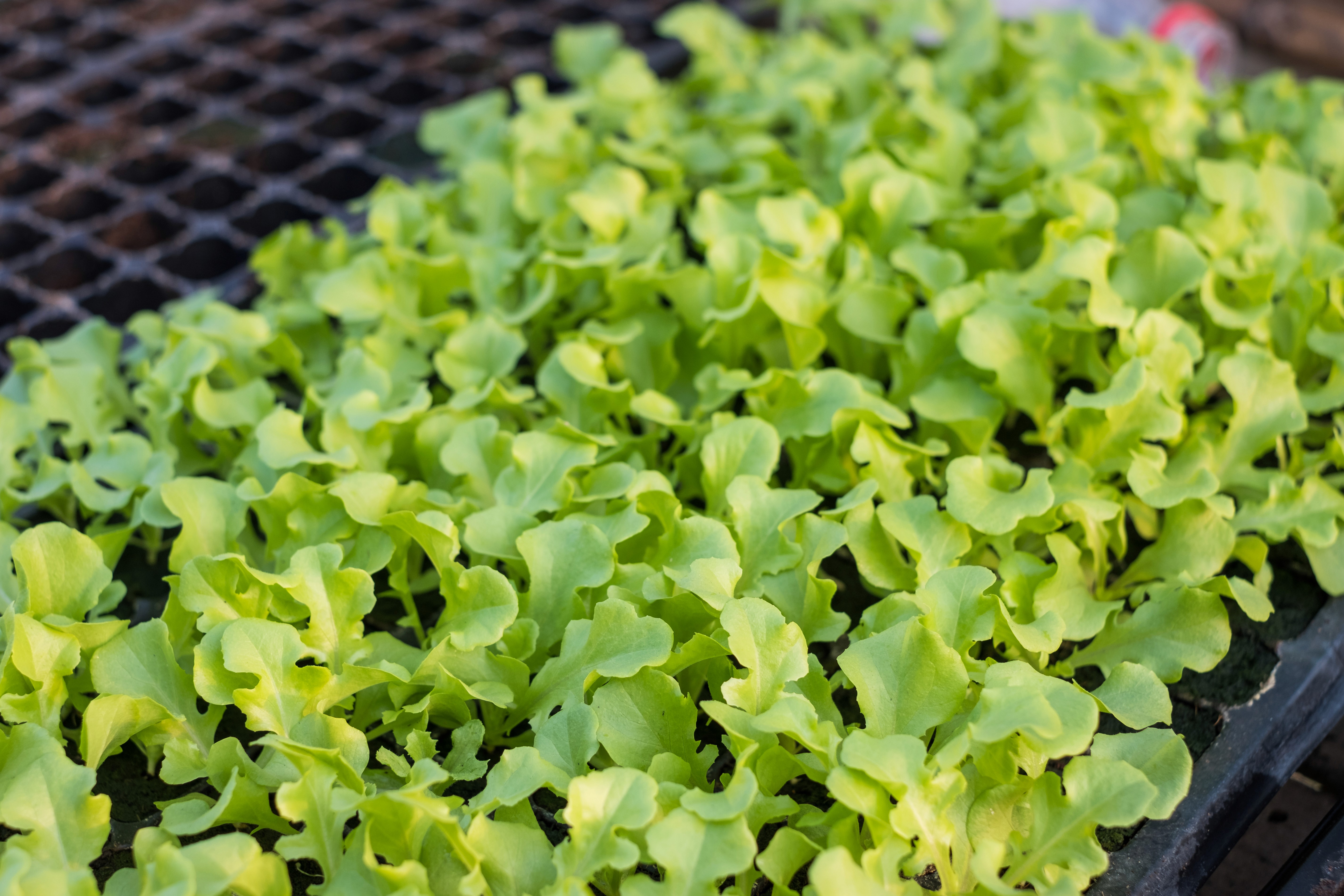
Leafy Greens: Constant, Reassuring Feedback
Leafy greens are one of the best places to start because they provide continuous feedback.
Lettuce, arugula, spinach, kale, and mustard greens germinate reliably and begin growing almost immediately after emergence. You don’t get long stretches of silence where nothing appears to be happening.
What often concerns beginners is uneven germination — some seedlings appear earlier than others.
That’s normal.
Leafy greens naturally germinate over a short window instead of all at once. This actually works in your favor, allowing you to thin gradually, harvest early leaves, and still end up with a full planting.
What they teach: Gardening doesn’t require precision to be productive — it requires observation.
Radishes: The Shortest Feedback Loop
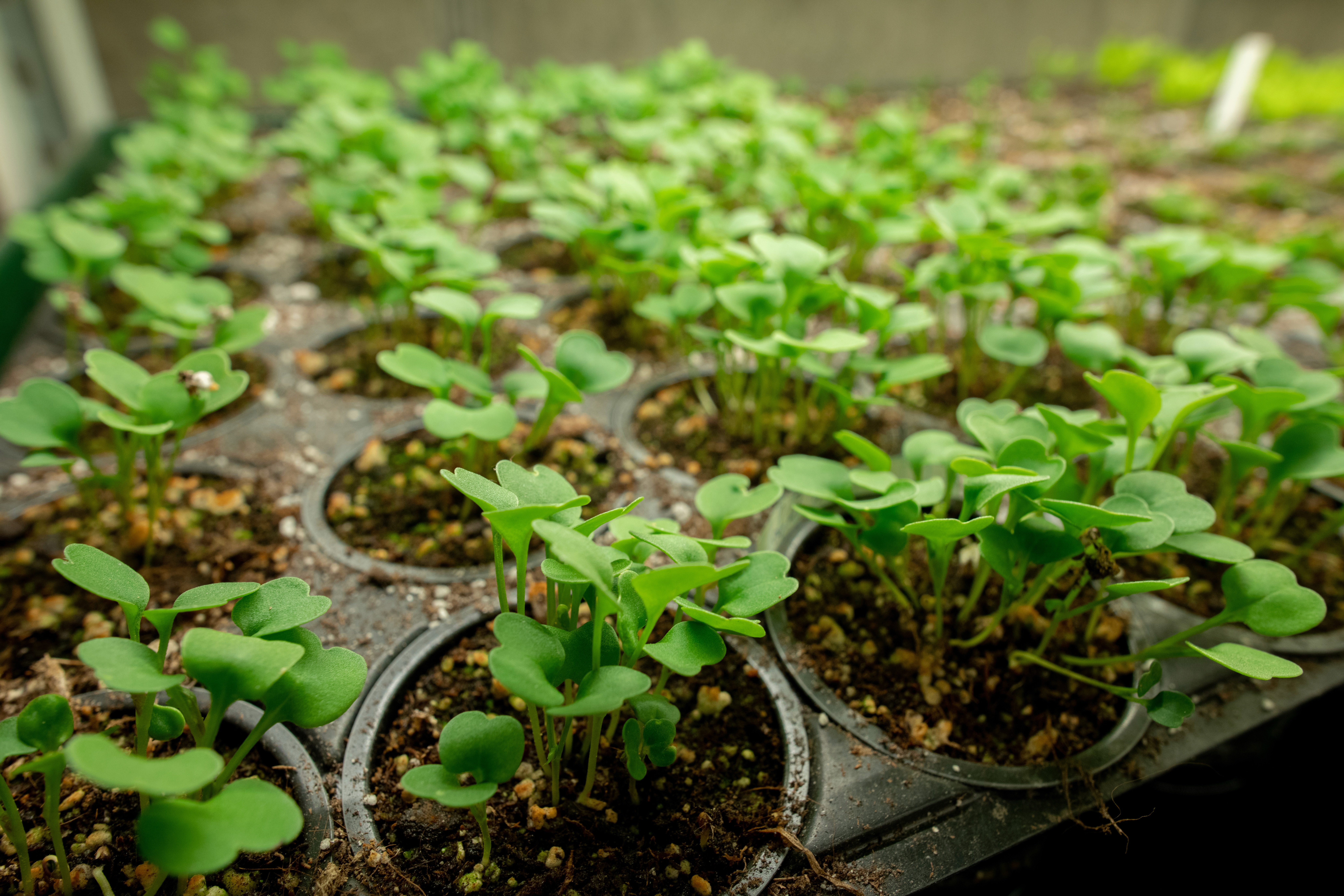
Radishes are valuable because they shorten the learning cycle.
They germinate quickly, often within just a few days. That means you know very early whether your planting depth, moisture level, and soil contact were correct.
If something is off, radishes tell you right away — not weeks later.
Misshapen or undersized radishes are often seen as failures, but they’re actually useful information. The plant grew, responded, and showed you how conditions affected it.
What they teach: Mistakes don’t stop growth — they produce data.
Beans and Peas: Clear Signals Without Fragility
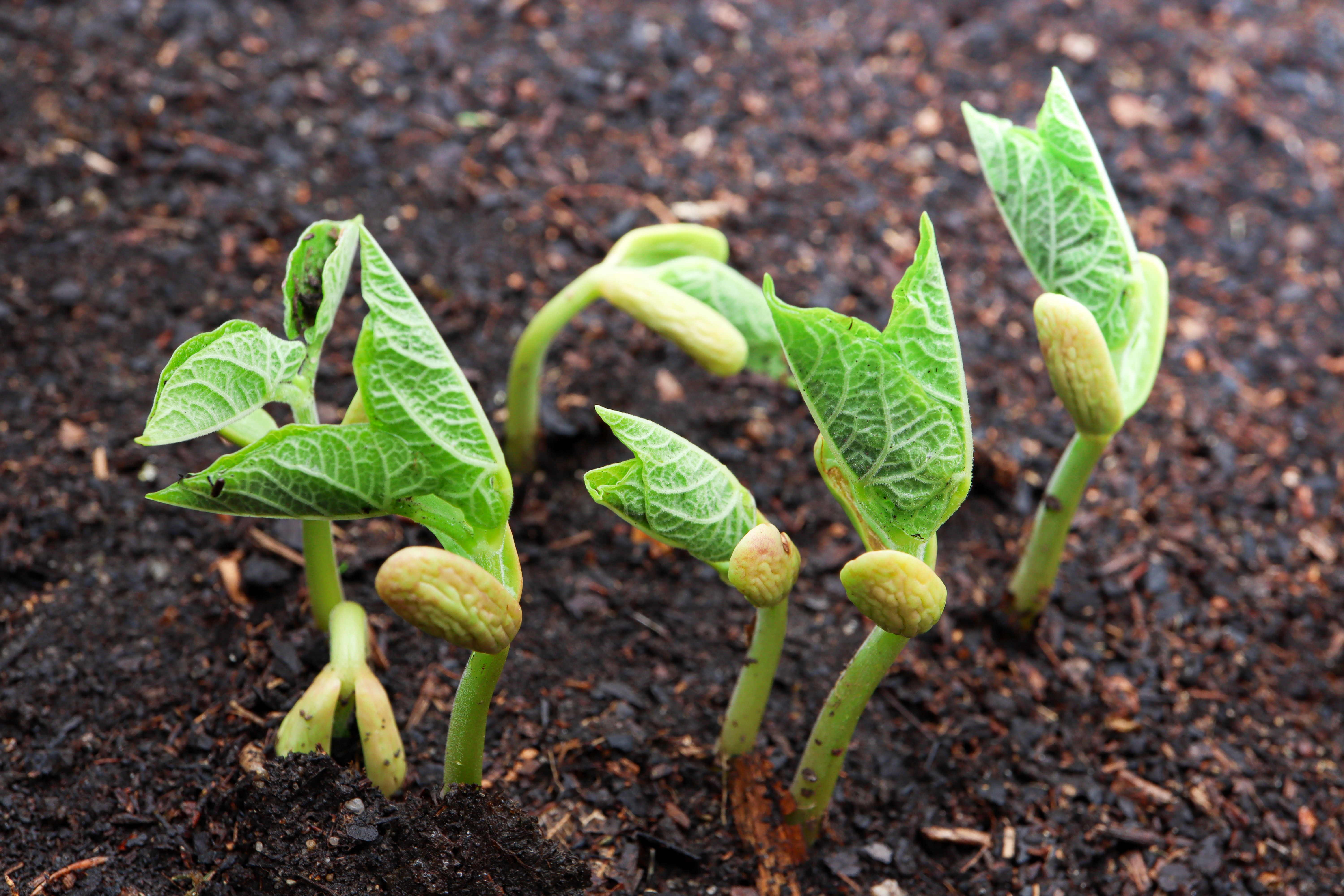
Beans and peas start with large seeds, which gives them an advantage early on.
Large seeds store more energy, allowing seedlings to push through soil easily and tolerate less-than-perfect conditions. When these plants are happy, they grow decisively. When something’s wrong, they slow down instead of collapsing.
That distinction matters.
Beginners often interpret slowing growth as failure, but with beans and peas, it’s simply communication.
Bush beans in particular are straightforward: they grow, they produce, and they don’t demand constant adjustment.
What they teach: Slowing down isn’t failure — it’s feedback.
Zucchini and Summer Squash: Momentum Builders
Zucchini and summer squash are momentum plants.
Once they emerge, growth is fast and obvious. You don’t wonder whether your effort is working — you can see it.
These plants also recover well from early stress. If conditions aren’t ideal at first, they often rebound quickly once things improve.
That teaches an important lesson early in the season.
Gardening isn’t fragile.
Plants don’t expect perfection — they expect consistency.
Beets: More Than One Way to Succeed
Beets are an underrated beginner crop because they offer multiple forms of success.
They germinate reliably and grow at a manageable pace. Even if the roots don’t size up perfectly, you can harvest beet greens early and still get food from the planting.
This removes the all-or-nothing pressure many beginners feel with root crops.
Beets also tolerate cooler conditions better than many vegetables, making early-season planning less stressful.
What they teach: Progress counts — even if the final result isn’t perfect.
Carrots: Patient, Not Difficult
Carrots have a reputation for being hard to grow, but that reputation mostly comes from misunderstanding.
Carrots aren’t difficult — they’re patient.
They take longer to germinate, and that delay makes beginners nervous. During that quiet period, it’s easy to assume something went wrong.
In reality, carrots are developing exactly as they should below the surface.
Once they emerge, they grow steadily and don’t require constant intervention. Shorter carrot varieties are especially forgiving and tolerate less-than-ideal soil conditions.
What they teach: Trust the process, not the clock.
Onions: Slow, Steady, and Hard to Kill
Onions don’t often get included in “easy” lists, but they should.
They germinate quickly — faster than many people expect. After that, growth slows down, which can be confusing if you’re watching closely.
But onions don’t stall or collapse. They just keep growing steadily.
That thin, grass-like seedling looks fragile, but it isn’t. Onions tolerate cold, crowding, and inconsistency better than most vegetables.
You can leave them alone for a while and come back to find steady progress.
What they teach: Steady doesn’t mean weak.

What to Wait On (Quiet Plants)
Just as important as knowing what to start is knowing what to wait on.
Peppers, celery, and very slow-growing herbs take a long time to give visible feedback. Early on, that silence can feel discouraging — especially if you’re still building confidence.
These plants aren’t bad choices. They’re just better once you’ve already built momentum.
Seed starting works best when early success makes slower crops feel manageable instead of frustrating.
Timing Matters — But Only After You Choose the Right Plants
Once you’ve decided what to grow, the next question is always when.
Seed starting dates vary widely depending on location, climate, and frost timing. Rather than memorizing charts or guessing based on general advice, it helps to use tools that account for where you live.
GardenGuide allows you to enter your location and see when to start seeds, when to transplant, and what actually fits your climate — without doing frost-date math yourself. https://www.gardenguide.com/
Want a Simple Reference?
If you want a quick way to remember which vegetables give the clearest feedback — and why — there’s a printable guide linked below that summarizes this list in one place.
– Printable PDF: Plants That Give Feedback
There’s also a video version that walks through how to prepare for seed starting once you’ve chosen what to grow.
– Video: Seed Starting Prep: What to Do Before You Plant
Start With Plants That Teach You
Seed starting feels hardest when everything is quiet.
The easiest way to build confidence is to start with plants that respond, adjust, and communicate early.
Choose vegetables that give feedback.
Let them teach you.
And build from there.
Easiest Vegetables to Start From Seed (They Give Feedback)
If seed starting has ever felt confusing or discouraging, the problem usually isn’t your timing, your equipment, or your skill level.
It’s the plants you started with.
Many vegetables stay quiet for a long time after planting. They don’t show clear progress, they don’t respond quickly, and they don’t give you much information early on. That silence makes beginners assume something went wrong — even when everything is fine.
The easiest vegetables to start from seed aren’t easy because they’re tough.
They’re easy because they give feedback.
They respond.
They communicate.
They help you learn what’s working instead of leaving you guessing.
This guide walks through the best vegetables to start with if you want clear signals, short feedback loops, and early confidence.
What “Feedback” Means in Seed Starting
In gardening, feedback simply means visible response.
A plant that gives feedback will:
Germinate quickly or predictably
Show steady progress once it’s up
Slow down instead of collapsing when something’s off
Let you see cause and effect early
Plants that don’t give feedback tend to:
Stay underground for long periods
Germinate unevenly or very slowly
Leave you unsure whether conditions are wrong or patience is required
Neither type is bad — but they feel very different when you’re learning.
Leafy Greens: Constant, Reassuring Feedback
Leafy greens are one of the best places to start because they provide continuous feedback.
Lettuce, arugula, spinach, kale, and mustard greens germinate reliably and begin growing almost immediately after emergence. You don’t get long stretches of silence where nothing appears to be happening.
What often concerns beginners is uneven germination — some seedlings appear earlier than others.
That’s normal.
Leafy greens naturally germinate over a short window instead of all at once. This actually works in your favor, allowing you to thin gradually, harvest early leaves, and still end up with a full planting.
What they teach: Gardening doesn’t require precision to be productive — it requires observation.
Radishes: The Shortest Feedback Loop
Radishes are valuable because they shorten the learning cycle.
They germinate quickly, often within just a few days. That means you know very early whether your planting depth, moisture level, and soil contact were correct.
If something is off, radishes tell you right away — not weeks later.
Misshapen or undersized radishes are often seen as failures, but they’re actually useful information. The plant grew, responded, and showed you how conditions affected it.
What they teach: Mistakes don’t stop growth — they produce data.
Beans and Peas: Clear Signals Without Fragility
Beans and peas start with large seeds, which gives them an advantage early on.
Large seeds store more energy, allowing seedlings to push through soil easily and tolerate less-than-perfect conditions. When these plants are happy, they grow decisively. When something’s wrong, they slow down instead of collapsing.
That distinction matters.
Beginners often interpret slowing growth as failure, but with beans and peas, it’s simply communication.
Bush beans in particular are straightforward: they grow, they produce, and they don’t demand constant adjustment.
What they teach: Slowing down isn’t failure — it’s feedback.
Zucchini and Summer Squash: Momentum Builders
Zucchini and summer squash are momentum plants.
Once they emerge, growth is fast and obvious. You don’t wonder whether your effort is working — you can see it.
These plants also recover well from early stress. If conditions aren’t ideal at first, they often rebound quickly once things improve.
That teaches an important lesson early in the season.
Gardening isn’t fragile.
Plants don’t expect perfection — they expect consistency.
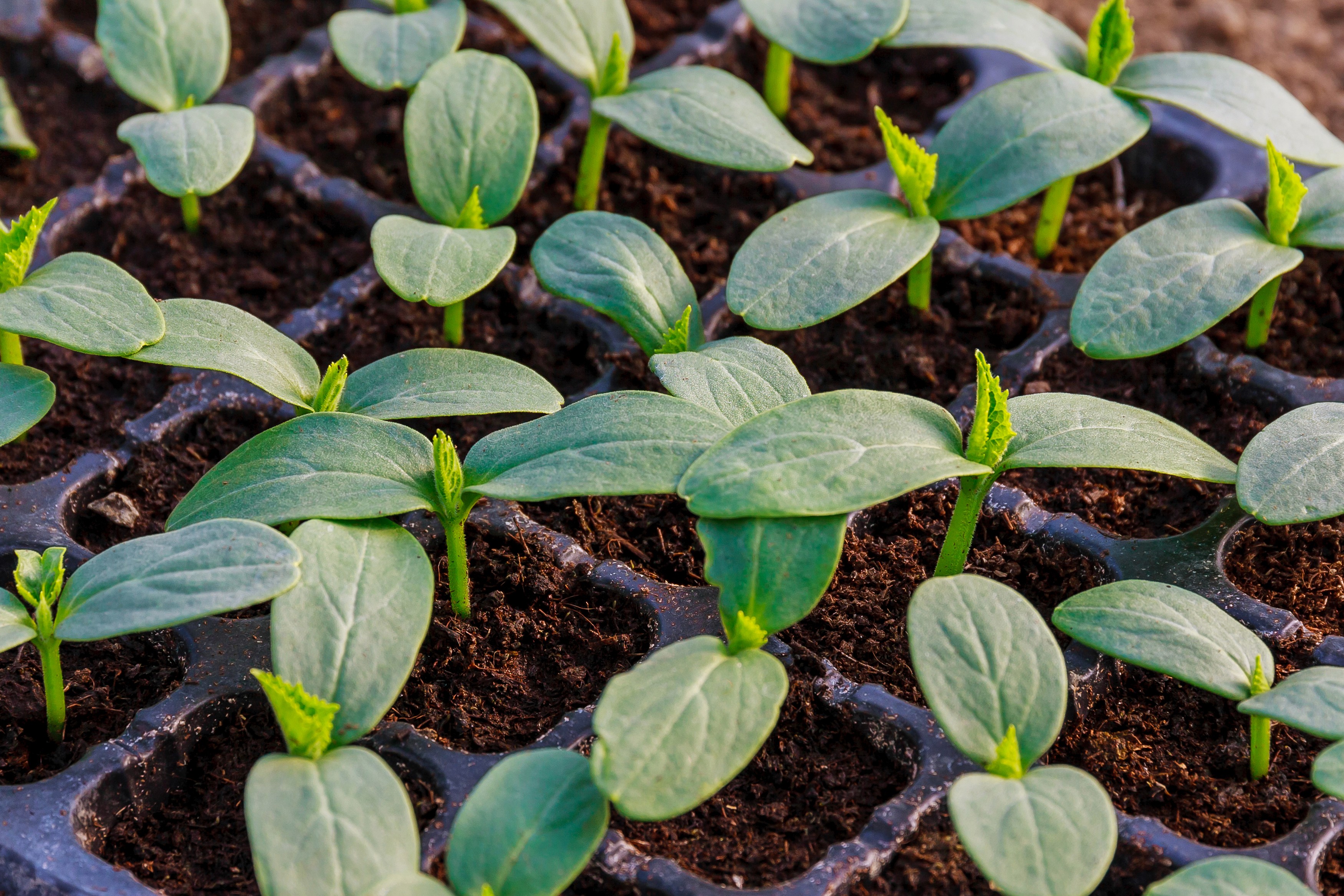
Beets: More Than One Way to Succeed
Beets are an underrated beginner crop because they offer multiple forms of success.
They germinate reliably and grow at a manageable pace. Even if the roots don’t size up perfectly, you can harvest beet greens early and still get food from the planting.
This removes the all-or-nothing pressure many beginners feel with root crops.
Beets also tolerate cooler conditions better than many vegetables, making early-season planning less stressful.
What they teach: Progress counts — even if the final result isn’t perfect.
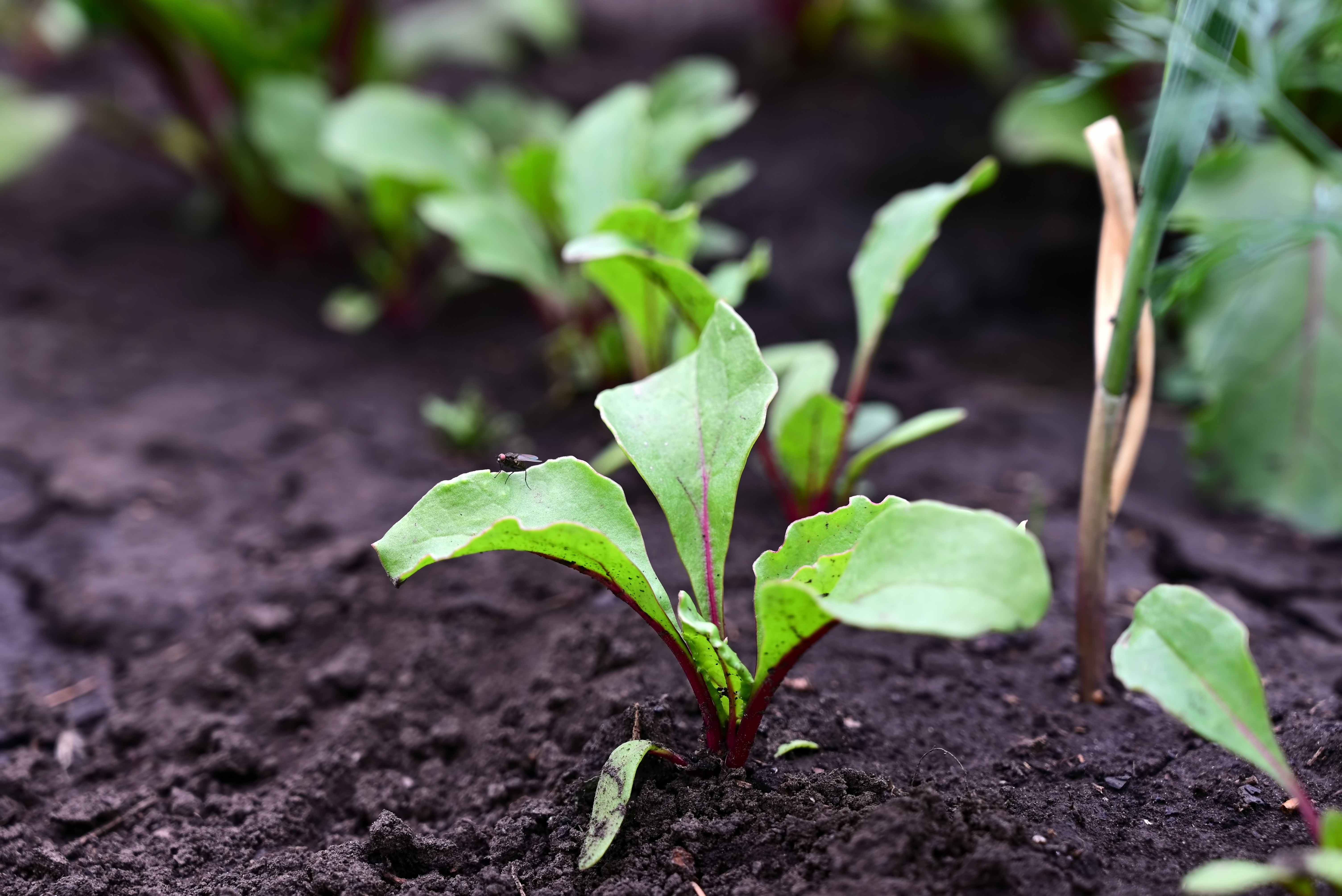
Carrots: Patient, Not Difficult
Carrots have a reputation for being hard to grow, but that reputation mostly comes from misunderstanding.
Carrots aren’t difficult — they’re patient.
They take longer to germinate, and that delay makes beginners nervous. During that quiet period, it’s easy to assume something went wrong.
In reality, carrots are developing exactly as they should below the surface.
Once they emerge, they grow steadily and don’t require constant intervention. Shorter carrot varieties are especially forgiving and tolerate less-than-ideal soil conditions.
What they teach: Trust the process, not the clock.
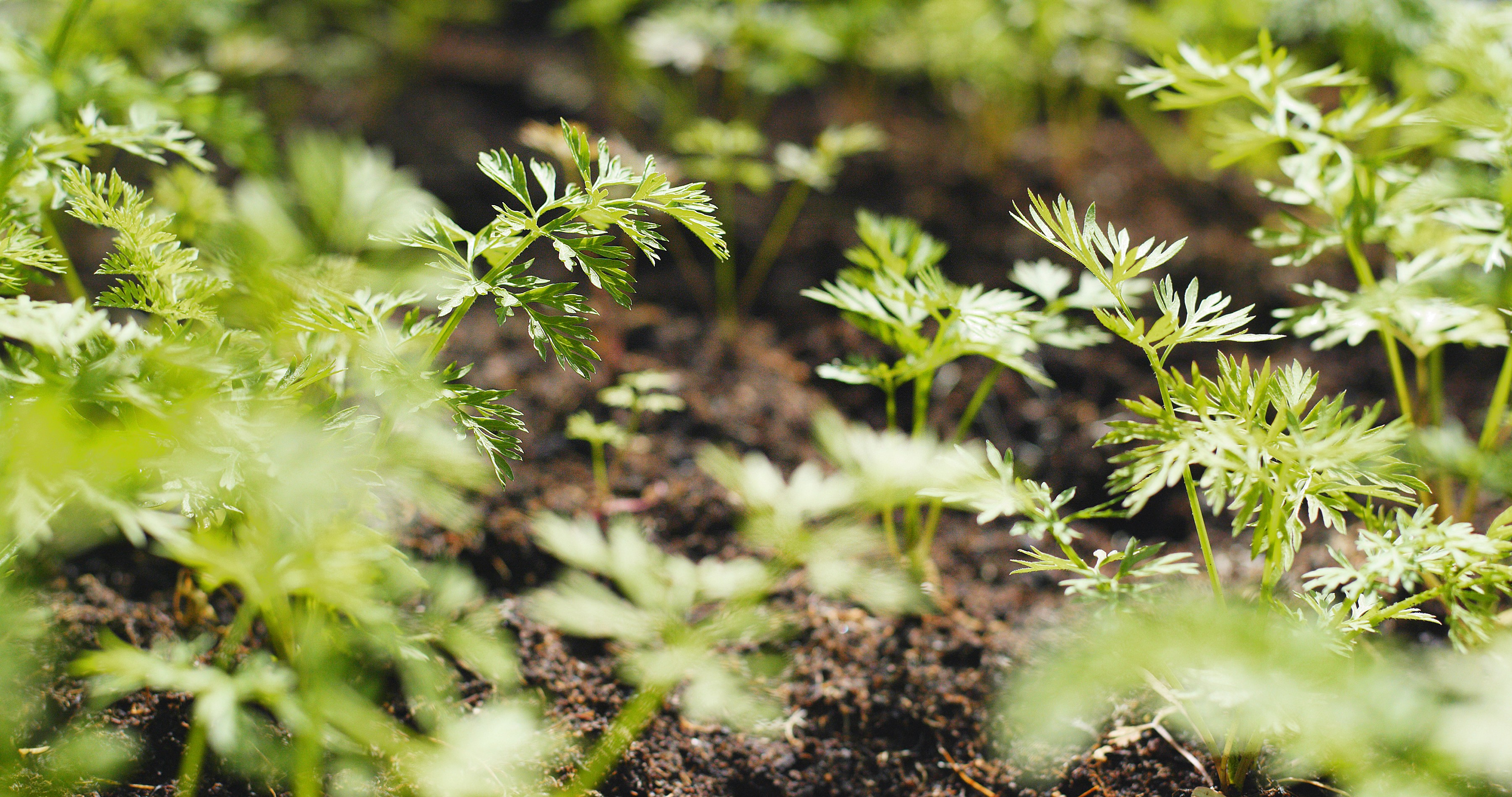
Onions: Slow, Steady, and Hard to Kill
Onions don’t often get included in “easy” lists, but they should.
They germinate quickly — faster than many people expect. After that, growth slows down, which can be confusing if you’re watching closely.
But onions don’t stall or collapse. They just keep growing steadily.
That thin, grass-like seedling looks fragile, but it isn’t. Onions tolerate cold, crowding, and inconsistency better than most vegetables.
You can leave them alone for a while and come back to find steady progress.
What they teach: Steady doesn’t mean weak.
What to Wait On (Quiet Plants)
Just as important as knowing what to start is knowing what to wait on.
Peppers, celery, and very slow-growing herbs take a long time to give visible feedback. Early on, that silence can feel discouraging — especially if you’re still building confidence.
These plants aren’t bad choices. They’re just better once you’ve already built momentum.
Seed starting works best when early success makes slower crops feel manageable instead of frustrating.
Timing Matters — But Only After You Choose the Right Plants
Once you’ve decided what to grow, the next question is always when.
Seed starting dates vary widely depending on location, climate, and frost timing. Rather than memorizing charts or guessing based on general advice, it helps to use tools that account for where you live.
GardenGuide allows you to enter your location and see when to start seeds, when to transplant, and what actually fits your climate — without doing frost-date math yourself. https://www.gardenguide.com/
Want a Simple Reference?
If you want a quick way to remember which vegetables give the clearest feedback — and why — there’s a printable guide linked below that summarizes this list in one place.
– Printable PDF: Plants That Give Feedback
There’s also a video version that walks through how to prepare for seed starting once you’ve chosen what to grow.
– Video: Seed Starting Prep: What to Do Before You Plant
Start With Plants That Teach You
Seed starting feels hardest when everything is quiet.
The easiest way to build confidence is to start with plants that respond, adjust, and communicate early.
Choose vegetables that give feedback.
Let them teach you.
And build from there.
FREE PDF GUIDE!
Easiest Vegetables to Grow From Seed
Free Weekly Garden Tips
Join my free newsletter to receive weekly garden insights + things I think you'll find interesting!
Free Weekly Garden Tips
Join my free newsletter to receive weekly garden insights + things I think you'll find interesting!
Free Weekly Garden Tips
Join my free newsletter to receive weekly garden insights + things I think you'll find interesting!
Let's grow your dream garden.

Subscribe
Join our newsletter to stay up to date on everything happening!
By subscribing you agree to our Privacy Policy and provide consent to receive updates from our company.
Let's grow your dream garden.
Subscribe
Join our newsletter to stay up to date on everything happening!
By subscribing you agree to our Privacy Policy and provide consent to receive updates from our company.
Let's grow your dream garden.
Subscribe
Join our newsletter to stay up to date on everything happening!
By subscribing you agree to our Privacy Policy and provide consent to receive updates from our company.